
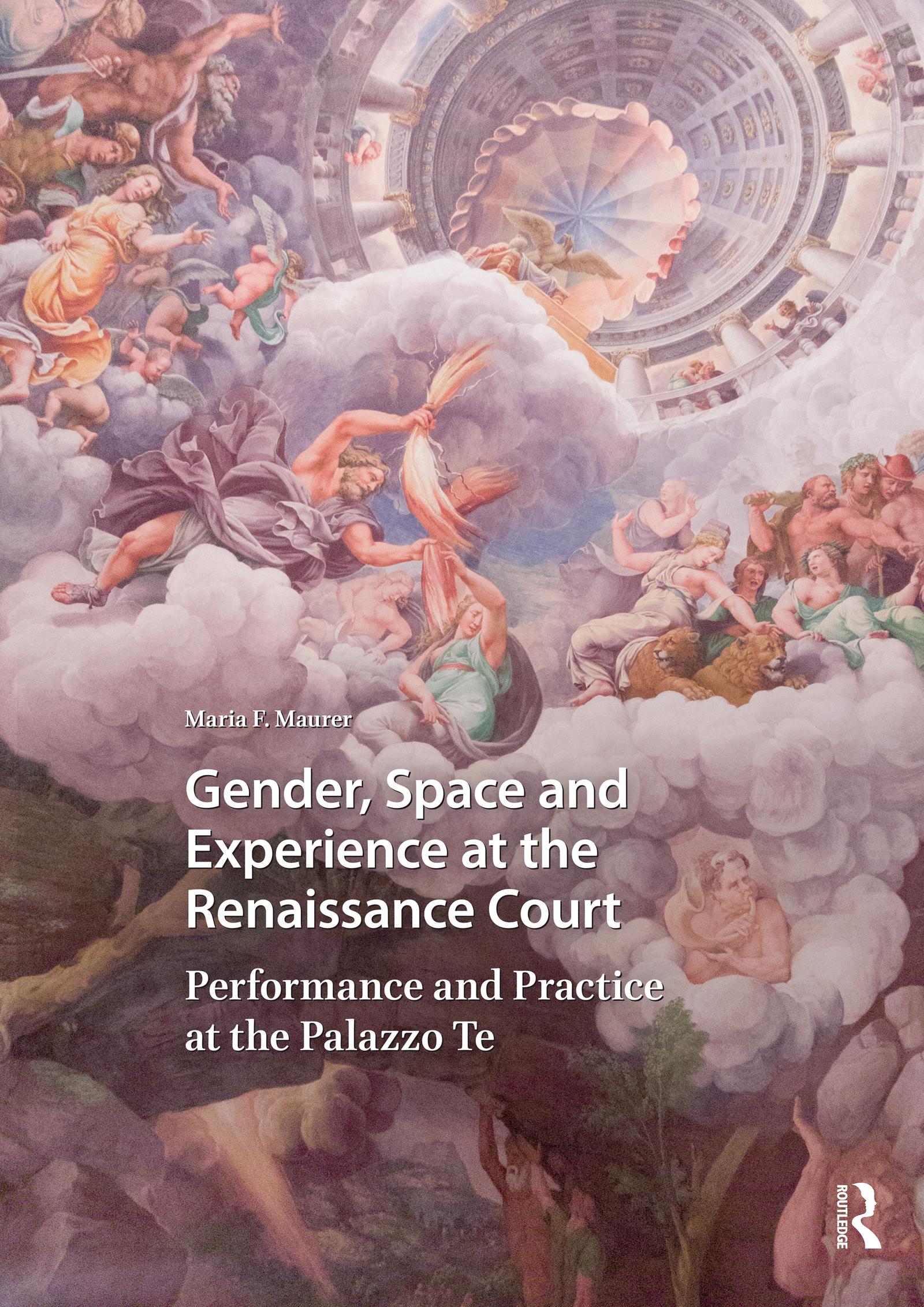
Gender, Space, and Experience at the Renaissance Court investigates the dynamic relationships between gender and architectural space in Renaissance Italy. It examines the ceremonial use and artistic reception of the Palazzo Te from the arrival of the Holy Roman Emperor Charles V in 1530 to the Sack of Mantua in 1630. This book further proposes that we conceptualise the built environment as a performative space, a space formed by the gendered relationships and actors of its time. The Palazzo Te was constituted by the gendered behaviors of sixteenth-century courtiers, but it was not simply a passive receptor of gender performance. Through its multivalent form and ceremonial function, Maria F. Maurer argues that the palace was an active participant in the construction and perception of femininity and masculinity in the early modern court.
Płać wygodnie kartą, Klarną, Apple Pay lub Google Pay. Nie jesteś zadowolony? Zawsze masz 14-dniową gwarancję zwrotu pieniędzy. Więcej przeczytasz w naszych warunkach. Masz pytania? Napisz do nas na hello@memmo.org.
Memmo ułatwia naukę – gdziekolwiek jesteś na świecie. U nas znajdziesz podręczniki i sprytne narzędzia do nauki w jednym miejscu: streszczenia, quizy, podcasty i fiszki. A do tego Ted, Twój kumpel do nauki, który odpowie na wszystko, co Cię nurtuje. Ponad 50 000 studentów już tu się uczy – stworzone, byś uczył się szybciej i mniej stresował.