
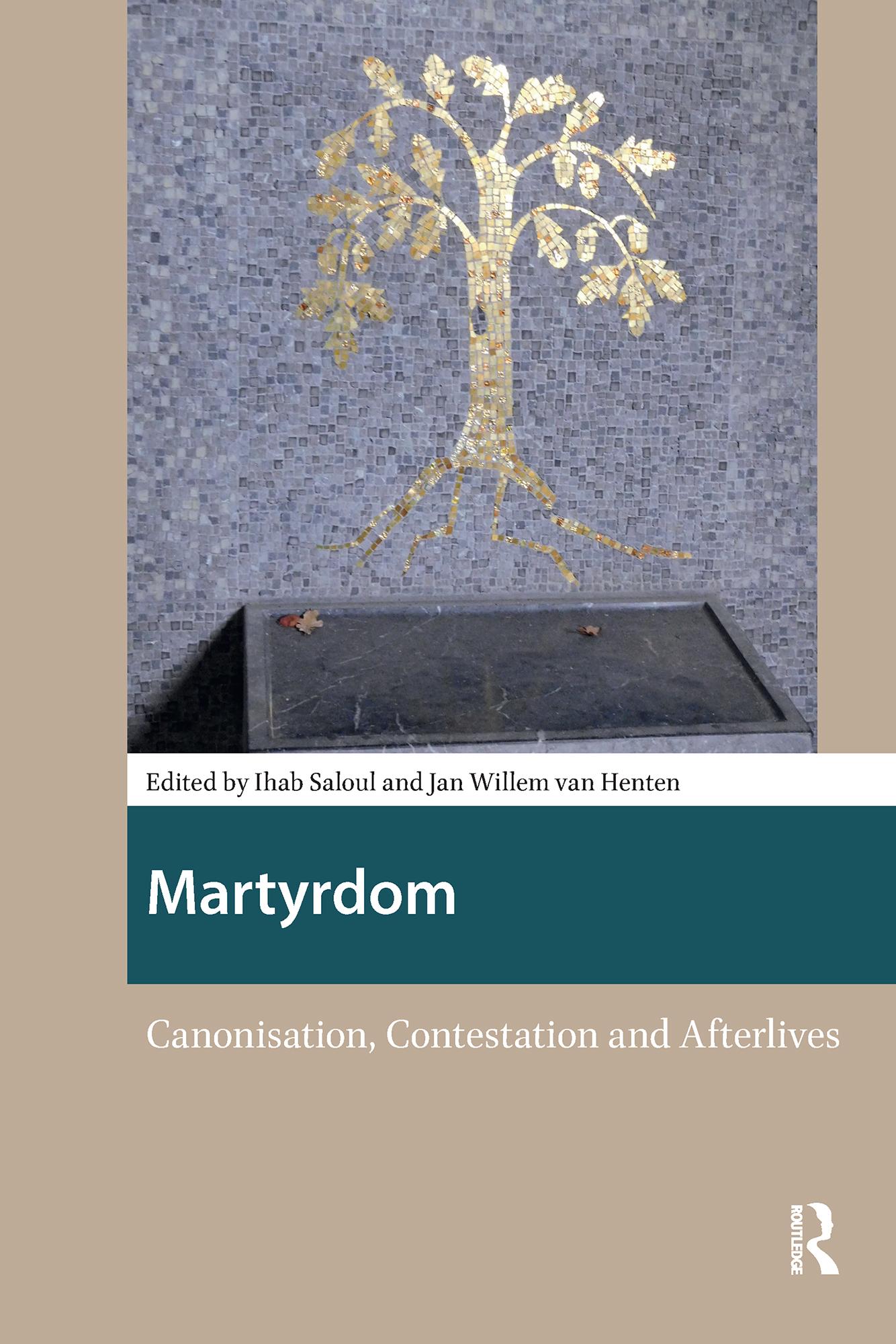
The phenomenon of martyrdom is more than 2000 years old but, as contemporary events show, still very much alive. Martyrdom: Canonisation, Contestation and Afterlives examines the canonisation, contestation and afterlives of martyrdom and connects these with cross-cultural acts and practices of remembrance. Martyrdom appeals to the imagination of many because it is a highly ambiguous spectacle with thrilling deadly consequences. Imagination is thus a vital catalyst for martyrdom, for martyrs become martyrs only because others remember and honour them as such. This memorialisation occurs through rituals and documents that incorporate and re-interpret traditions deriving from canonical texts. The canonisation of martyrdom generally occurs in one of two ways: First, through ritual commemoration by communities of inside readers, listeners, viewers and participants, who create and recycle texts, re-interpreting them until the martyrs ultimately receive a canonical status, or second, through commemoration as a means of contestation by competing communities who perceive these same people as traitors or terrorists. By adopting an interdisciplinary orientation and a cross-cultural approach, this book goes beyond both the insider admiration of martyrs and the partisan rejection of martyrdoms and concisely synthesises key interpretive questions and themes that broach the canonised, unstable and contested representations of martyrdom as well as their analytical connections, divergences and afterlives in the present.
Płać wygodnie kartą, Klarną, Apple Pay lub Google Pay. Nie jesteś zadowolony? Zawsze masz 14-dniową gwarancję zwrotu pieniędzy. Więcej przeczytasz w naszych warunkach. Masz pytania? Napisz do nas na hello@memmo.org.
Memmo ułatwia naukę – gdziekolwiek jesteś na świecie. U nas znajdziesz podręczniki i sprytne narzędzia do nauki w jednym miejscu: streszczenia, quizy, podcasty i fiszki. A do tego Ted, Twój kumpel do nauki, który odpowie na wszystko, co Cię nurtuje. Ponad 50 000 studentów już tu się uczy – stworzone, byś uczył się szybciej i mniej stresował.