
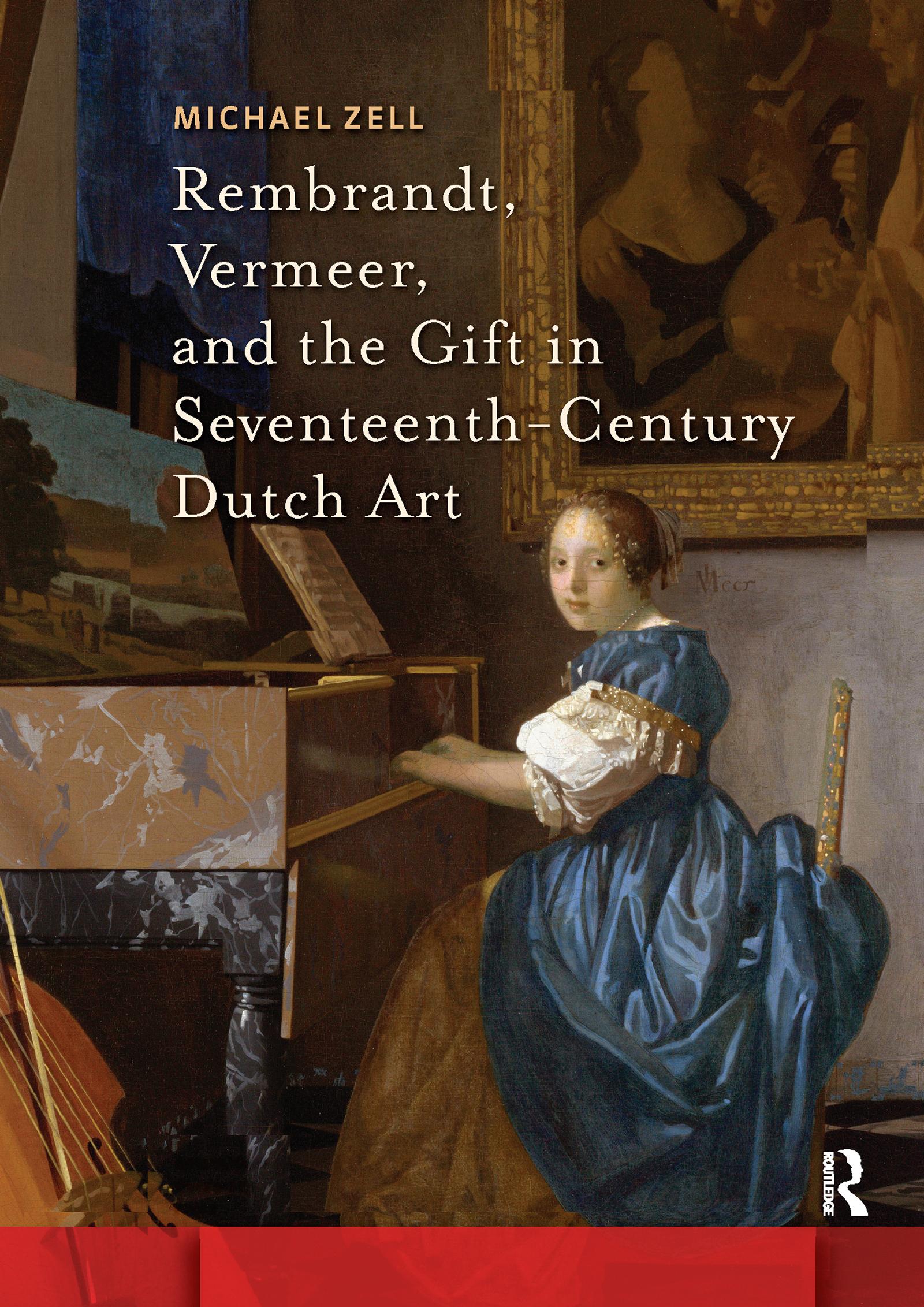
Rembrandt, Vermeer, and the Gift in Seventeenth-Century Dutch Art offers a new perspective on the art of the Dutch Golden Age by exploring the interaction between the gift's symbolic economy of reciprocity and obligation and the artistic culture of early modern Holland. Gifts of art were pervasive in seventeenth-century Europe, and many Dutch artists, like their counterparts elsewhere, embraced gift giving to cultivate relations with patrons, art lovers, and other members of their social networks. Rembrandt also created distinctive works to function within a context of gift exchange, and both Rembrandt and Vermeer engaged the ethics of the gift to identify their creative labor as motivated by what contemporaries called a love of art, not materialistic gain. In the merchant republic’s vibrant market for art, networks of gift relations and the anti-economic rhetoric of the gift mingled with the growing dimension of commerce, revealing a unique chapter in the interconnected history of gift giving and art making.
Płać wygodnie kartą, Klarną, Apple Pay lub Google Pay. Nie jesteś zadowolony? Zawsze masz 14-dniową gwarancję zwrotu pieniędzy. Więcej przeczytasz w naszych warunkach. Masz pytania? Napisz do nas na hello@memmo.org.
Memmo ułatwia naukę – gdziekolwiek jesteś na świecie. U nas znajdziesz podręczniki i sprytne narzędzia do nauki w jednym miejscu: streszczenia, quizy, podcasty i fiszki. A do tego Ted, Twój kumpel do nauki, który odpowie na wszystko, co Cię nurtuje. Ponad 50 000 studentów już tu się uczy – stworzone, byś uczył się szybciej i mniej stresował.