
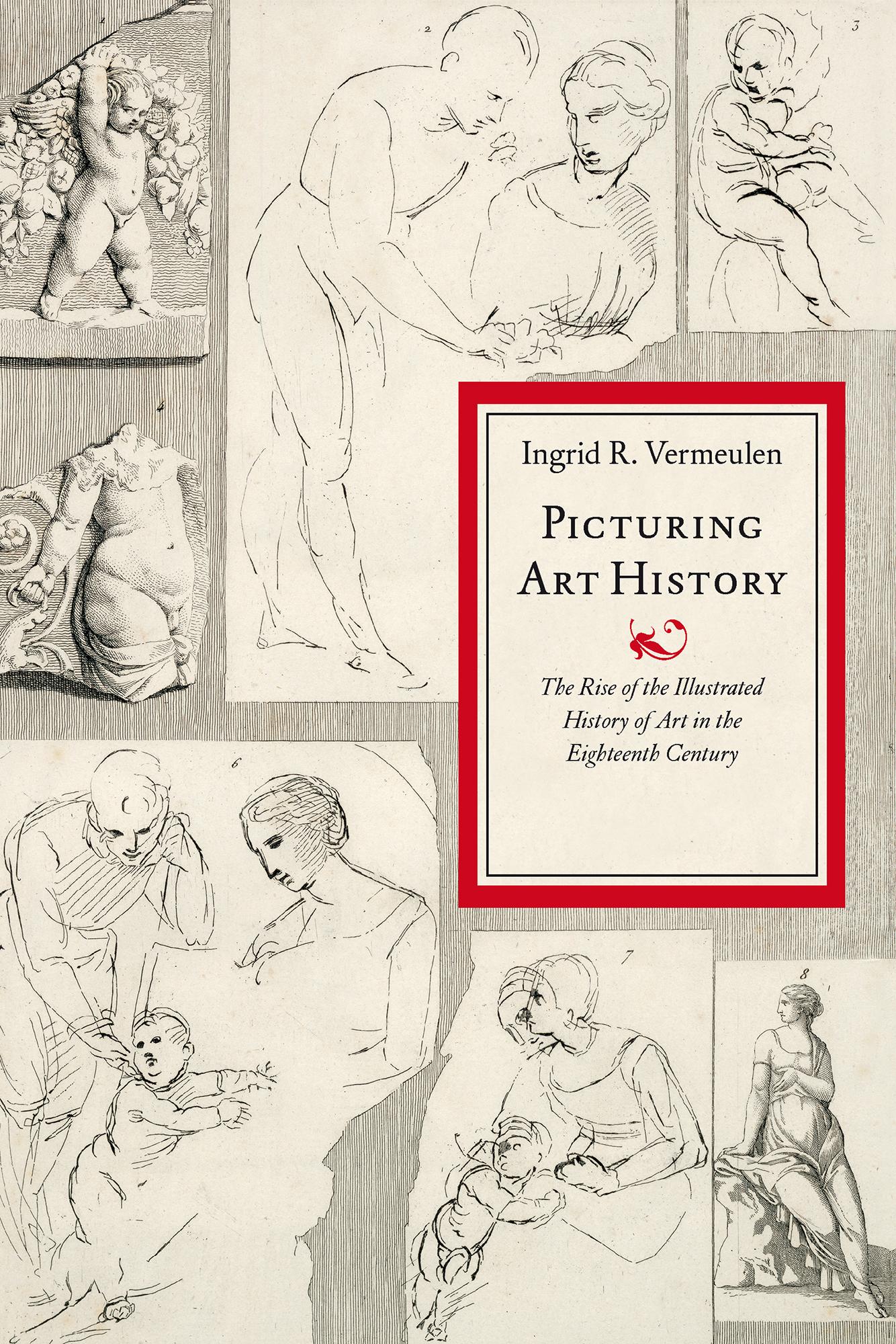
Books on art history are nearly always lavishly illustrated with quality colour reproductions of famous masterpieces. Yet this has not always been the case: it was only in the eighteenth century that art books came to be illustrated with beautiful images. Picturing Art History shows how the fundamentally new notion of the history of art as a visual history was responsible for this development. In the age before photography, paper collections of prints and drawings offered the only way to picture the artistic past. For the first time, illustrations became indispensable toolsas the new belief grew that art works rather than artists were the measure of the artistic past. Internationally renowned art scholars such as Bottari (1689-1775), Winckelmann (1717-1768) and d'Agincourt (1730-1814) collected reproductions in the form of prints and drawings, triggering discussions of the nature of illustrations as representations of art, classification of reproductions to demonstrate trends in art history, and the relationship between image and text in the art literature. With the help of illustrations, art history became an extraordinary visual experience, vital to the understanding of the history of art.
Płać wygodnie kartą, Klarną, Apple Pay lub Google Pay. Nie jesteś zadowolony? Zawsze masz 14-dniową gwarancję zwrotu pieniędzy. Więcej przeczytasz w naszych warunkach. Masz pytania? Napisz do nas na hello@memmo.org.
Memmo ułatwia naukę – gdziekolwiek jesteś na świecie. U nas znajdziesz podręczniki i sprytne narzędzia do nauki w jednym miejscu: streszczenia, quizy, podcasty i fiszki. A do tego Ted, Twój kumpel do nauki, który odpowie na wszystko, co Cię nurtuje. Ponad 50 000 studentów już tu się uczy – stworzone, byś uczył się szybciej i mniej stresował.