
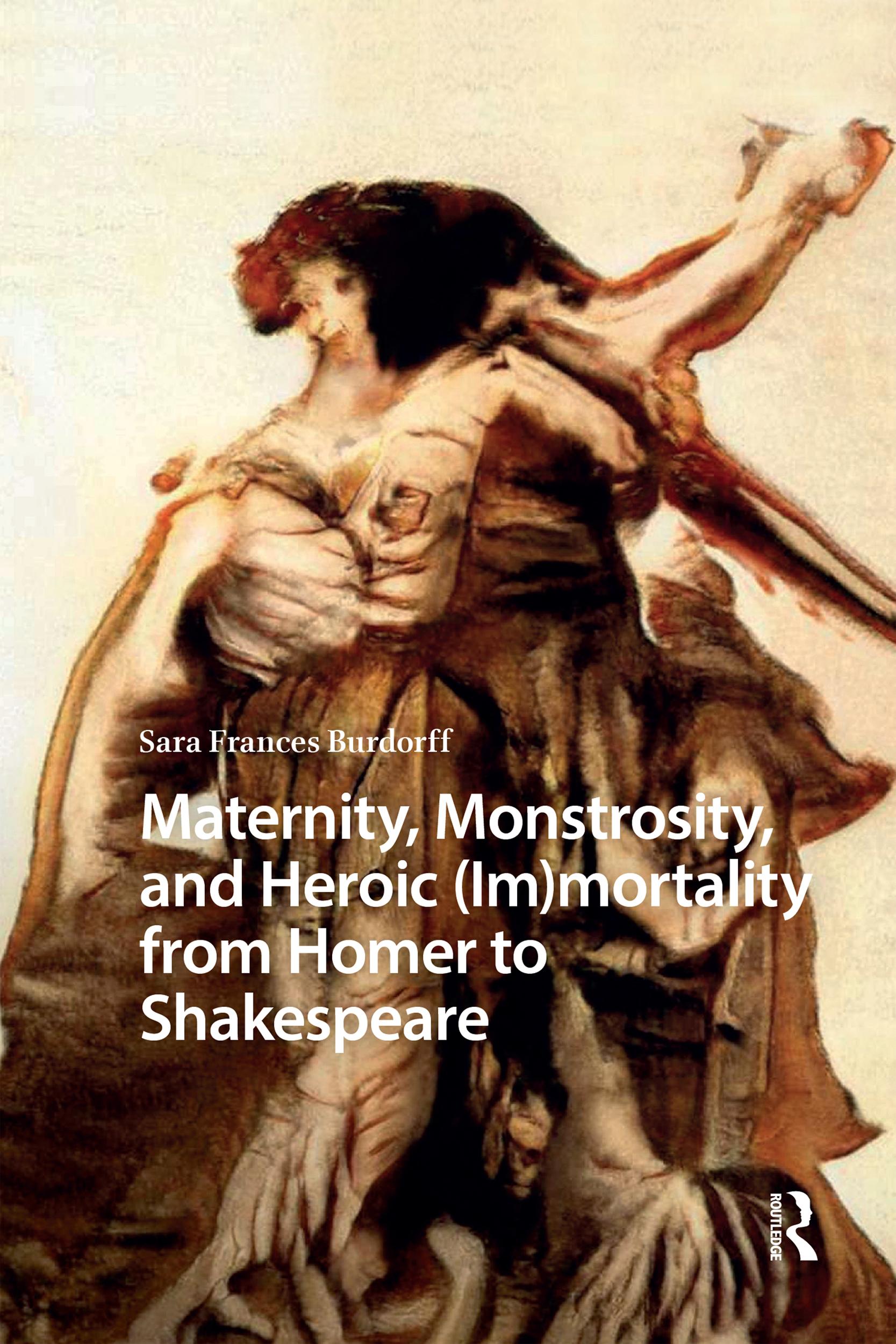
This work uses an adaptation of monster theory to rethink the foundations of epic-heroic immortality. Rather than focusing on a specific monster or monsters, the author identifies the belly-monstrous as a crucial point of intersection between mothers and warriors in traditional narratives of the Trojan War. Identifying the gestating/digesting belly as the center of the Iliadic world, this groundbreaking approach disrupts androcentric readings of the Iliadic warrior and his ethos, emphasizing the crucial role of female suffering in the generation and preservation of immortal legacy.,The author reconsiders ancient Greek depictions of the Trojan War and its aftermath, including Homeric epic and the tragedies of Aeschylus and Euripides, and illuminates the cohesive patterning of Shakespeare's mother-warrior plays, which place inherited Iliadic-belly-monstrous motifs in conversation with cultural anxieties of late Elizabethan England. With meticulous scholarship and captivating analysis, Maternity, Monstrosity, and Heroic (Im)mortality from Homer to Shakespeare redefines the relationship between mothers and warriors in the Iliadic-heroic ideal, paving the way for new interpretations of war, grief, and immortal glory in a broad range of literary and cultural contexts.
Płać wygodnie kartą, Klarną, Apple Pay lub Google Pay. Nie jesteś zadowolony? Zawsze masz 14-dniową gwarancję zwrotu pieniędzy. Więcej przeczytasz w naszych warunkach. Masz pytania? Napisz do nas na hello@memmo.org.
Memmo ułatwia naukę – gdziekolwiek jesteś na świecie. U nas znajdziesz podręczniki i sprytne narzędzia do nauki w jednym miejscu: streszczenia, quizy, podcasty i fiszki. A do tego Ted, Twój kumpel do nauki, który odpowie na wszystko, co Cię nurtuje. Ponad 50 000 studentów już tu się uczy – stworzone, byś uczył się szybciej i mniej stresował.