
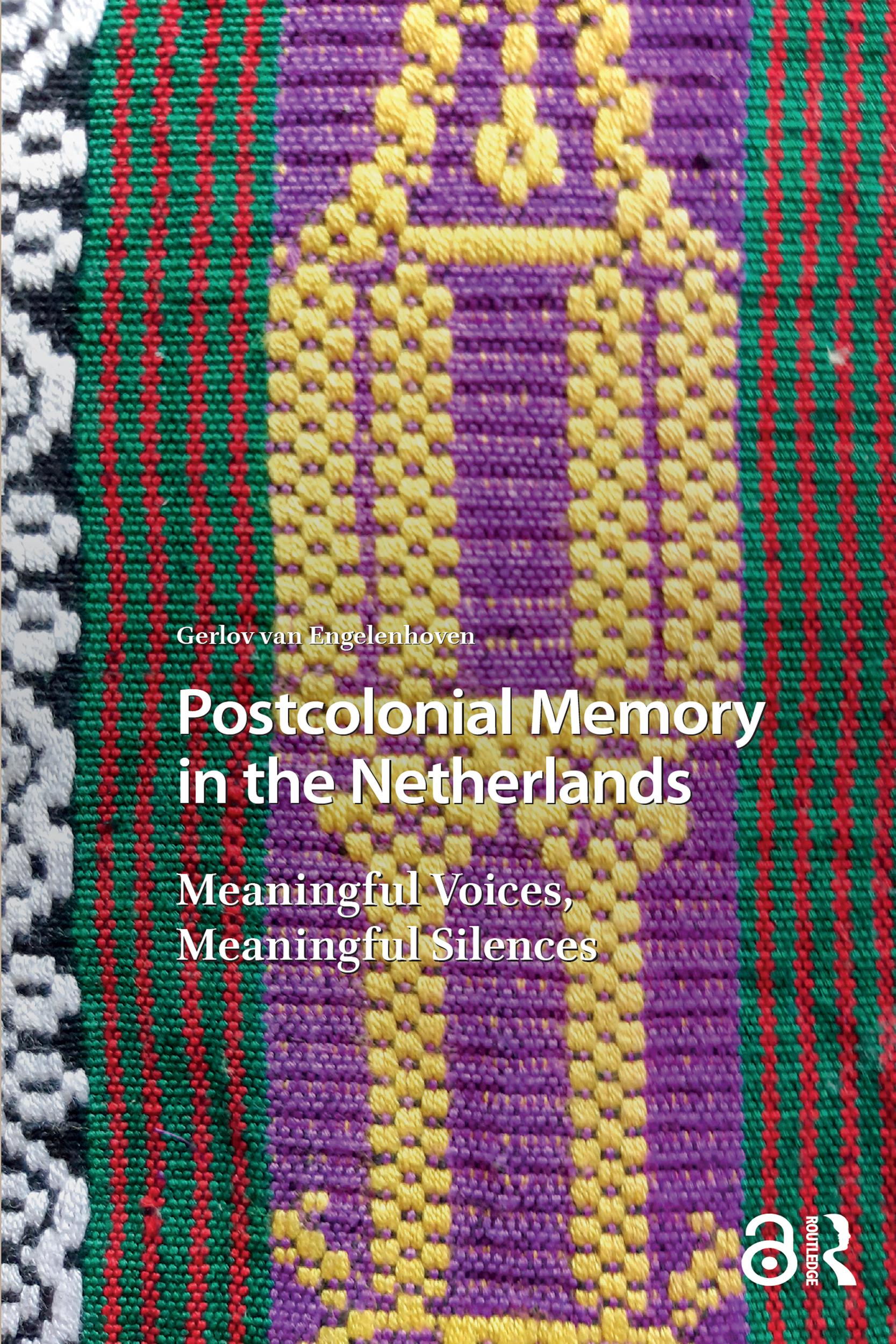
This book is about postcolonial memory in the Netherlands. This term refers to conflicts in contemporary society about how the colonial past should be remembered. The question is often: who has the right or ability to tell their stories and who do not? In other words: who has a voice, and who is silenced? As such, these conflicts represent a wider tendency in cultural theory and activism to use voice as a metaphor for empowerment and silence as voice’s negative counterpart, signifying powerlessness. And yet, there are voices that do not liberate us from, but rather subject us to power. Meanwhile, silence can be powerful: it can protect, disrupt and reconfigure. Throughout this book, it will become clear how voice and silence function not as each other’s opposites, but as each other’s continuation, and that postcolonial memory is articulated through the interplay of meaningful voices and meaningful silences.
Płać wygodnie kartą, Klarną, Apple Pay lub Google Pay. Nie jesteś zadowolony? Zawsze masz 14-dniową gwarancję zwrotu pieniędzy. Więcej przeczytasz w naszych warunkach. Masz pytania? Napisz do nas na hello@memmo.org.
Memmo ułatwia naukę – gdziekolwiek jesteś na świecie. U nas znajdziesz podręczniki i sprytne narzędzia do nauki w jednym miejscu: streszczenia, quizy, podcasty i fiszki. A do tego Ted, Twój kumpel do nauki, który odpowie na wszystko, co Cię nurtuje. Ponad 50 000 studentów już tu się uczy – stworzone, byś uczył się szybciej i mniej stresował.