
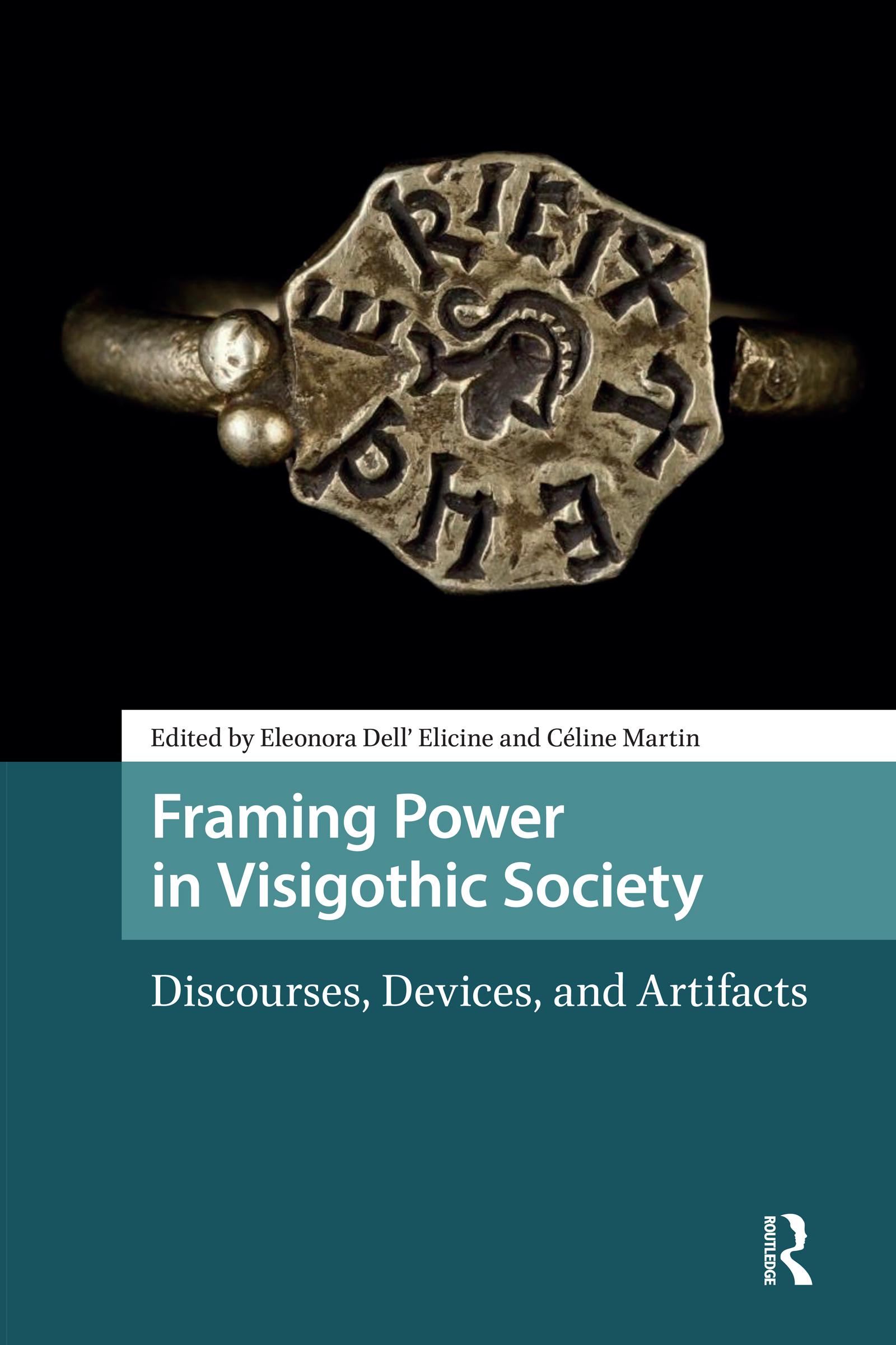
This volume examines how power was framed in Visigothic society and how a diverse population with a complex and often conflicting cultural inheritance was thereby held together as a single kingdom. Indeed, through this dynamic process a new, early medieval society emerged. Understanding this transformation is no simple matter, as it involved the deployment of an array of political and cultural resources: the production of knowledge, the appropriation of Patristic literature, controlling and administering rural populations, reconceptualizing the sacred, capital punishment and exile, controlling the manufacture of currency, and defining Visigothic society in relation to other polities such as the neighbouring Byzantine state. In order to achieve an analysis of these different phenomena, this volume brings together researchers from a variety of disciplines. This interdisciplinary approach therefore expands the available sources and reformulates topics of traditional scholarship in order to engage with a renewal of Visigothic Studies and reformulate the paradigm of study itself. As a result, this volume rethinks frameworks of power in the Peninsula along not only historical and archaeological but also anthropological terms, presenting the reader with a new understanding of Iberian society as a whole.
Płać wygodnie kartą, Klarną, Apple Pay lub Google Pay. Nie jesteś zadowolony? Zawsze masz 14-dniową gwarancję zwrotu pieniędzy. Więcej przeczytasz w naszych warunkach. Masz pytania? Napisz do nas na hello@memmo.org.
Memmo ułatwia naukę – gdziekolwiek jesteś na świecie. U nas znajdziesz podręczniki i sprytne narzędzia do nauki w jednym miejscu: streszczenia, quizy, podcasty i fiszki. A do tego Ted, Twój kumpel do nauki, który odpowie na wszystko, co Cię nurtuje. Ponad 50 000 studentów już tu się uczy – stworzone, byś uczył się szybciej i mniej stresował.
Może Ci się spodobać
Kup książkę0