
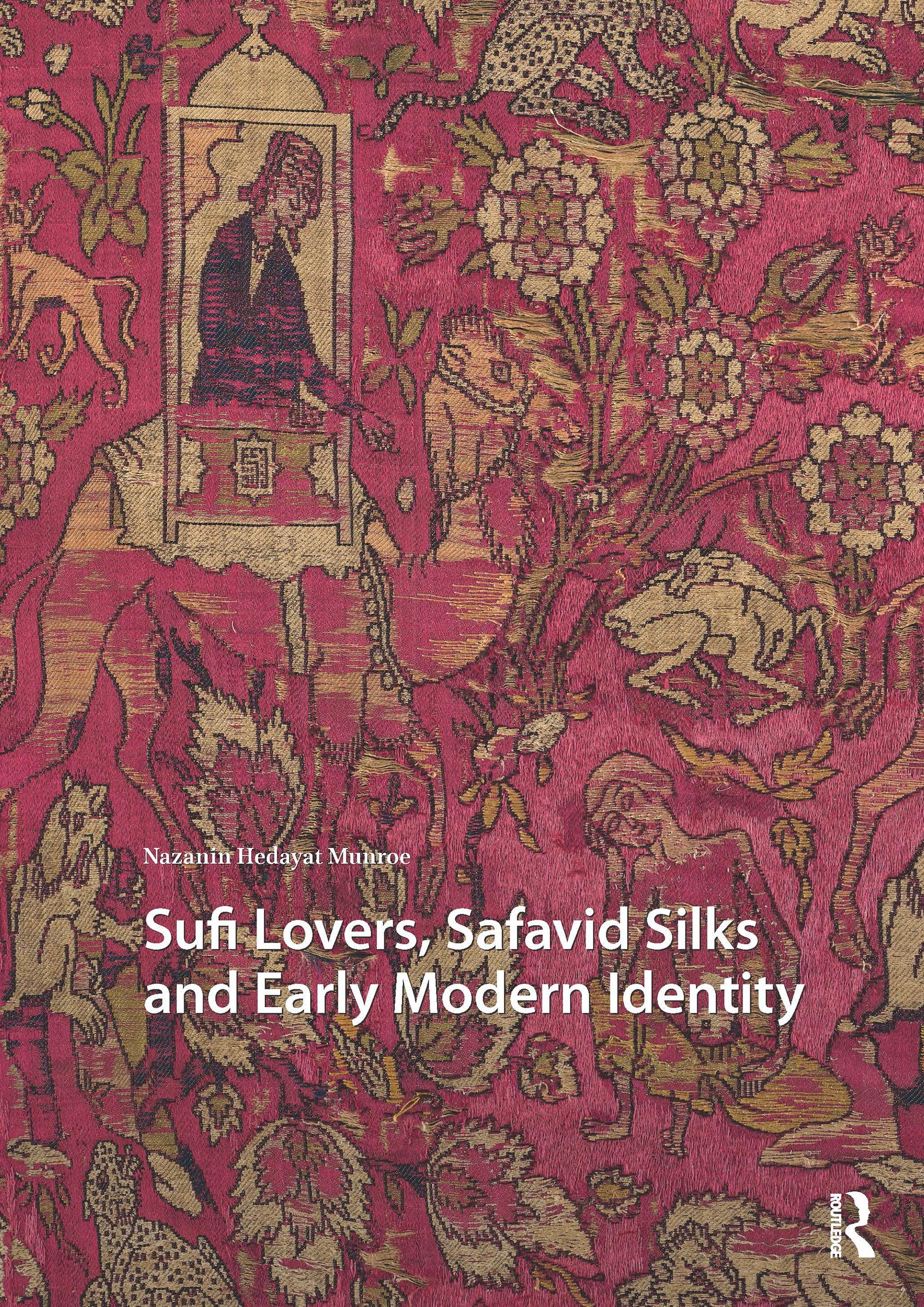
This book examines a group of sixteenth- and seventeenth-century figural silks depicting legendary lovers from the Khamsa (Quintet) of epic Persian poetry. Codified by Nizami Ganjavi in the twelfth century, the Khamsa gained popularity in the Persian-speaking realm through illustrated manuscripts produced for the elite, creating a template for illustrating climactic scenes in the love stories of “Layla and Majnun” and “Khusrau and Shirin” that appear on early modern silks. Attributed to Safavid Iran, the publication proposes that dress fashioned from these silks represented Sufi ideals based on the characters. Migration of weavers between Safavid and Mughal courts resulted in producing goods for a sophisticated and educated elite, demonstrating shared cultural values and potential reattribution. Through an examination of primary source materials, literary analysis of the original text, and close iconographical study of figural designs, the study presents original cross-disciplinary arguments about patronage, provenance, and the socio-cultural significance of wearing these silks.
Płać wygodnie kartą, Klarną, Apple Pay lub Google Pay. Nie jesteś zadowolony? Zawsze masz 14-dniową gwarancję zwrotu pieniędzy. Więcej przeczytasz w naszych warunkach. Masz pytania? Napisz do nas na hello@memmo.org.
Memmo ułatwia naukę – gdziekolwiek jesteś na świecie. U nas znajdziesz podręczniki i sprytne narzędzia do nauki w jednym miejscu: streszczenia, quizy, podcasty i fiszki. A do tego Ted, Twój kumpel do nauki, który odpowie na wszystko, co Cię nurtuje. Ponad 50 000 studentów już tu się uczy – stworzone, byś uczył się szybciej i mniej stresował.