
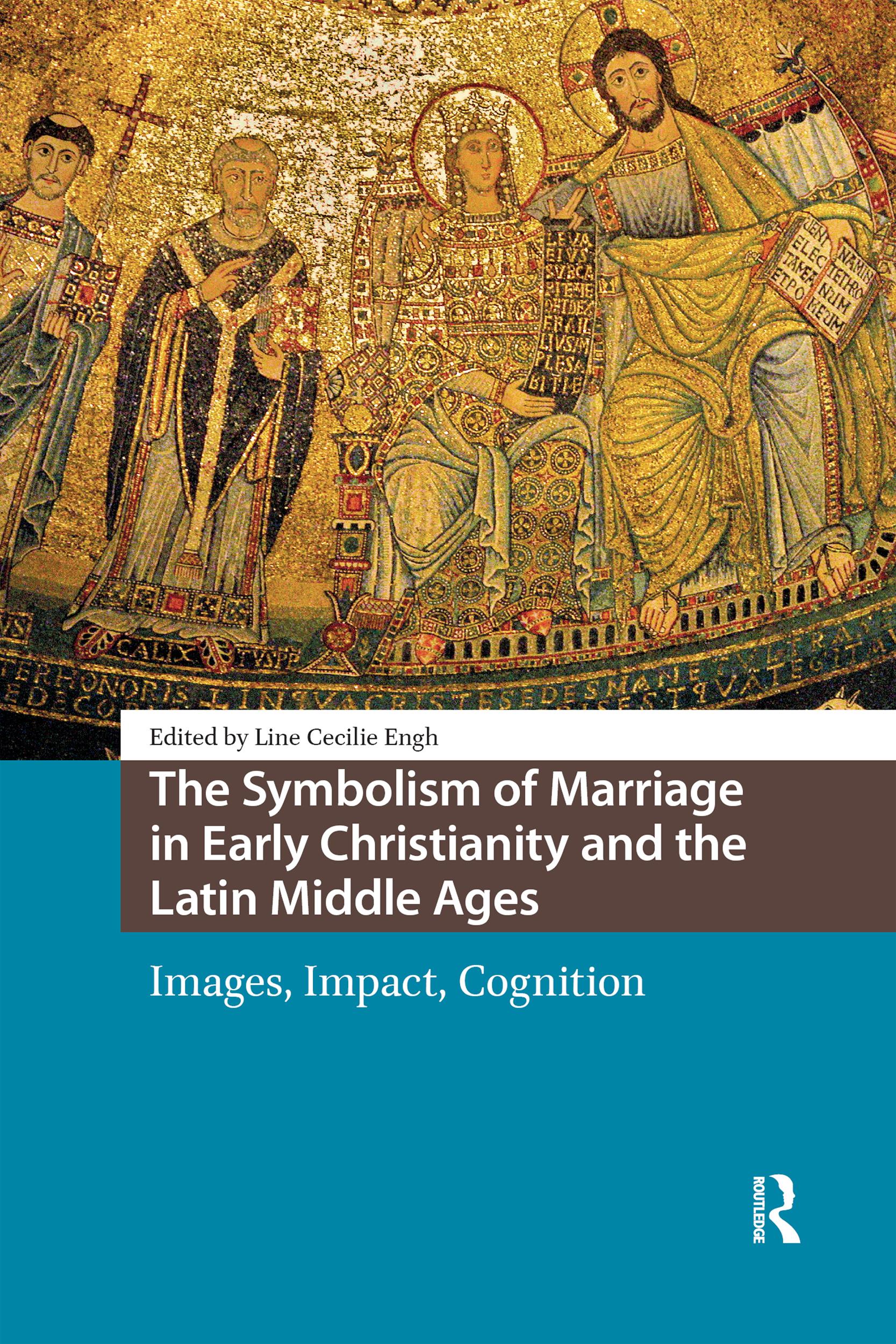
In the Middle Ages everyone, it seems, entered into some form of marriage. Nuns - and even some monks - married the bridegroom Christ. Bishops married their sees. The popes, as vicars of Christ, married the universal Church. And lay people, high and low, married each other. What united these marriages was their common reference to the union of Christ and Church. Christ's marriage to the Church was the paradigmatic symbol in which all the other forms of union participated, in superior or inferior ways. This book grapples with questions of the impact of marriage symbolism on both ideas and practice in the early Christian and medieval period. In what ways did marriage symbolism - with its embedded concepts of gender, reproduction, household, and hierarchy - shape people's thought about other things, such as celibacy, ecclesial and political relations, and devotional relations? How did symbolic cognition shape marriage itself? And how, if at all, were these two directions of thinking symbolically about marriage related?|multidiciplinary approach, high-precision conceptual analyses, a case study of symbolical cognition
Strony: 354
Kategoria: Religion & Teologi
e-ISBN: 9781040773734
Waga przesyłki: 1.2 kg
Wysyłka w ciągu: 1-2 dni
Płać wygodnie kartą, Klarną, Apple Pay lub Google Pay. Nie jesteś zadowolony? Zawsze masz 14-dniową gwarancję zwrotu pieniędzy. Więcej przeczytasz w naszych warunkach. Masz pytania? Napisz do nas na hello@memmo.org.
Memmo ułatwia naukę – gdziekolwiek jesteś na świecie. U nas znajdziesz podręczniki i sprytne narzędzia do nauki w jednym miejscu: streszczenia, quizy, podcasty i fiszki. A do tego Ted, Twój kumpel do nauki, który odpowie na wszystko, co Cię nurtuje. Ponad 50 000 studentów już tu się uczy – stworzone, byś uczył się szybciej i mniej stresował.
Może Ci się spodobać
Kup książkę0