
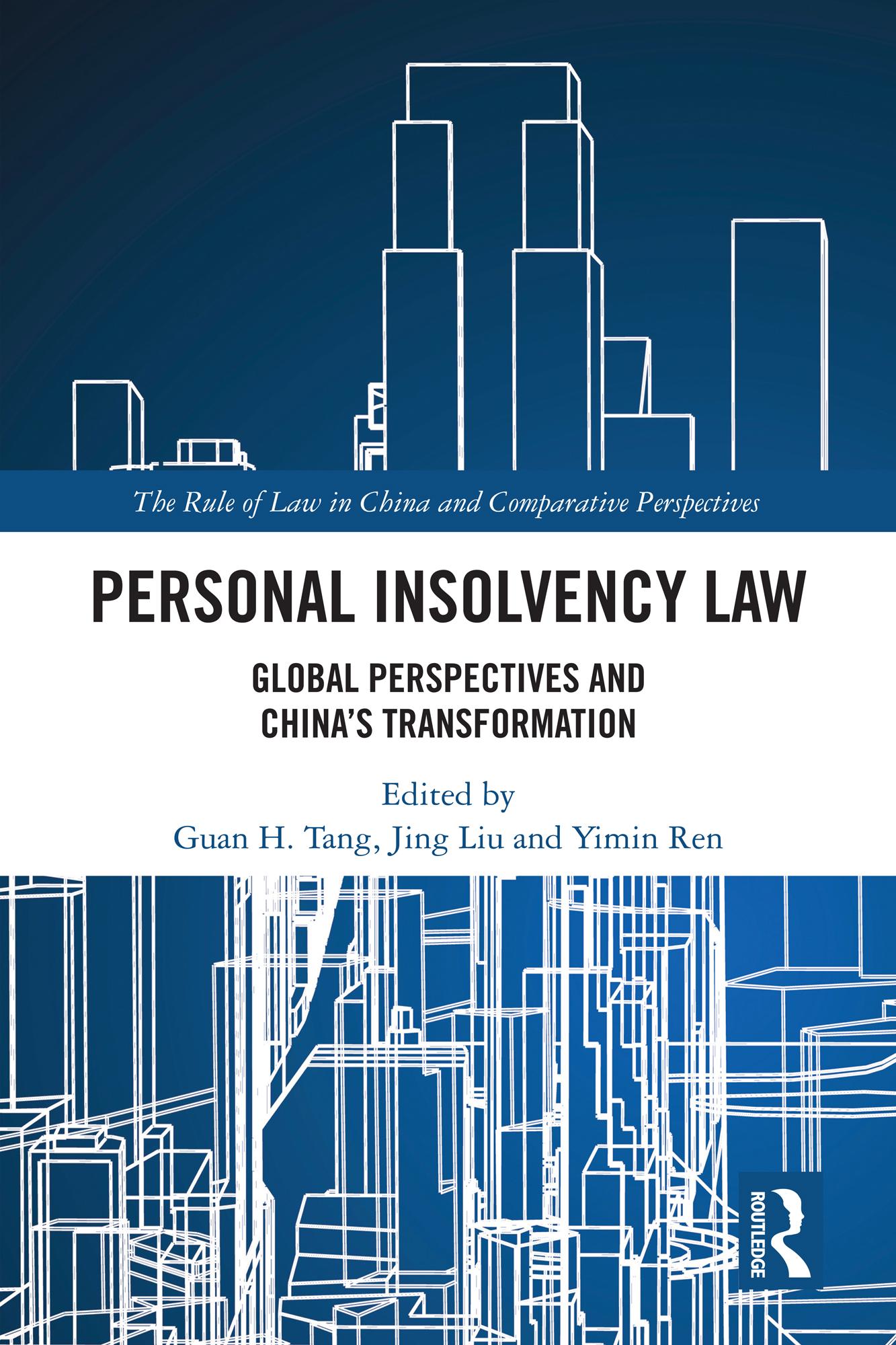
In an era marked by economic uncertainty and rising living costs, the need for compassionate and effective personal insolvency systems has never been more urgent. This edited volume offers a timely and incisive exploration of the complexities of personal insolvency regimes.
Drawing on insights from the UK, the US, Europe, Japan, and China, the book examines how diverse legal systems negotiate the tensions between debt relief and moral hazard, creditor protection and social equity, and market efficiency and human dignity. It compares the effectiveness of neoliberal models, middle-ground approaches, and state-led systems, offering assessments of their respective strengths and limitations.
The analysis moves beyond theory, grounding its arguments in real-world examples while advancing the case for a robust, stand-alone personal insolvency framework in China. By synthesising global experience with local experimentation, the volume demonstrates how such a framework could strengthen economic resilience, uphold human dignity, and bring China’s system into closer alignment with international standards.
Ideal for scholars, policymakers, and practitioners alike, this book bridges academic rigour and practical relevance, inviting readers to reconsider insolvency not merely as a mechanism of last resort but as an instrument of financial rehabilitation and social inclusion.
Płać wygodnie kartą, Klarną, Apple Pay lub Google Pay. Nie jesteś zadowolony? Zawsze masz 14-dniową gwarancję zwrotu pieniędzy. Więcej przeczytasz w naszych warunkach. Masz pytania? Napisz do nas na hello@memmo.org.
Memmo ułatwia naukę – gdziekolwiek jesteś na świecie. U nas znajdziesz podręczniki i sprytne narzędzia do nauki w jednym miejscu: streszczenia, quizy, podcasty i fiszki. A do tego Ted, Twój kumpel do nauki, który odpowie na wszystko, co Cię nurtuje. Ponad 50 000 studentów już tu się uczy – stworzone, byś uczył się szybciej i mniej stresował.