
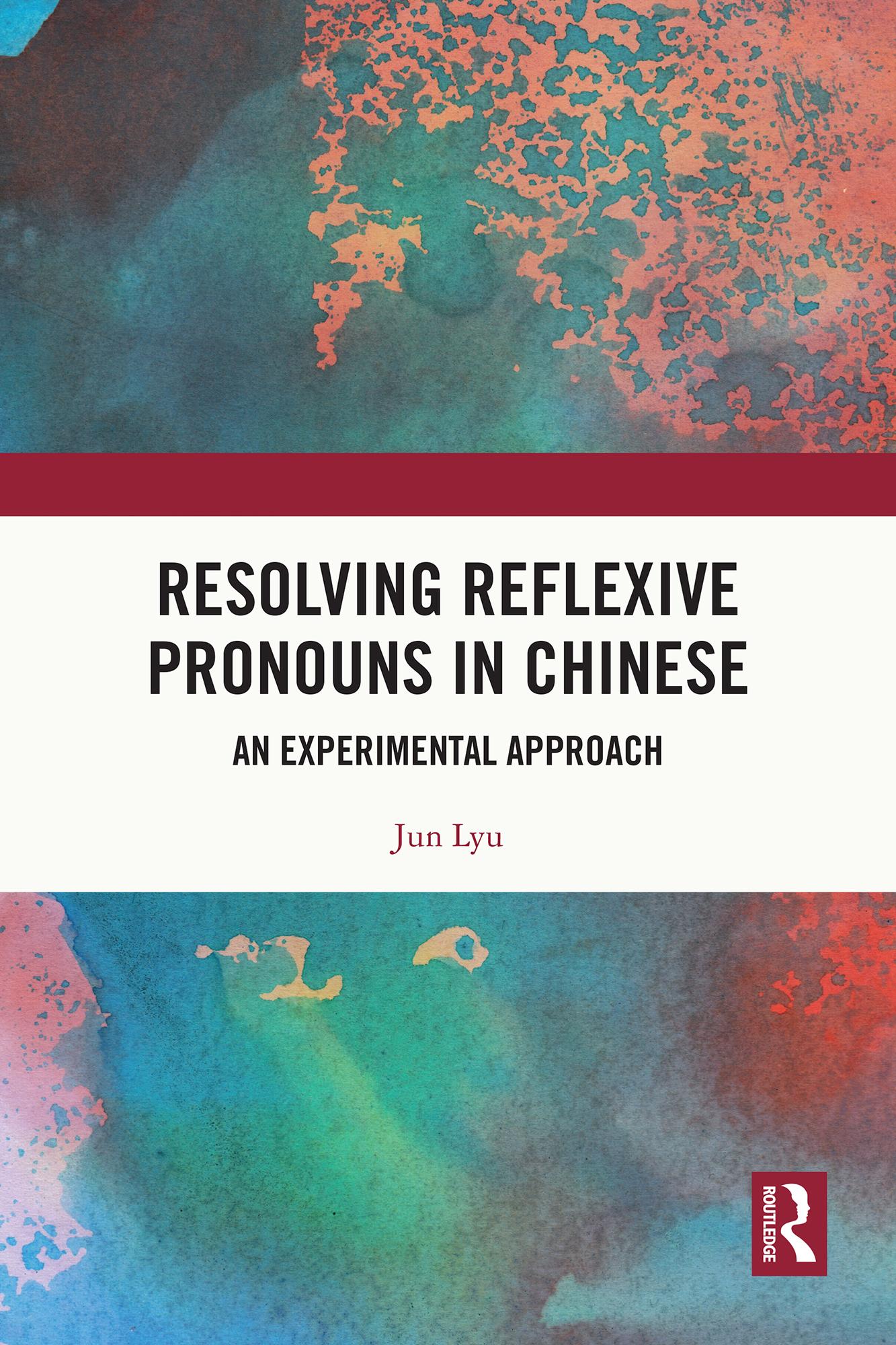
This book explores the resolution of Mandarin Chinese reflexive pronouns — ziji (‘self’) and ta-ziji (‘he/she-self’) — in language processing, focusing on how the human mind integrates multiple linguistic cues during comprehension through both theoretical and experimental approaches.
It investigates the structural, semantic, and discourse-level properties of these reflexives, examining how syntactic and non-syntactic constraints shape real-time resolution. By introducing new empirical data, the book challenges established assumptions about Chinese reflexives, addressing whether locality bias reflects syntactic or linear proximity, how discourse-level factors influence ta-ziji interpretation, and how perspective-taking interacts with syntactic prominence in processing. These findings are synthesized into a unified framework that integrates syntactic and non-syntactic factors governing reflexive resolution in Chinese.
This work is a valuable resource for researchers and graduate students in linguistics, psycholinguistics, syntax, semantics, and language processing, particularly those specializing in Chinese linguistics, anaphora resolution, and experimental approaches to theoretical linguistics.
Płać wygodnie kartą, Klarną, Apple Pay lub Google Pay. Nie jesteś zadowolony? Zawsze masz 14-dniową gwarancję zwrotu pieniędzy. Więcej przeczytasz w naszych warunkach. Masz pytania? Napisz do nas na hello@memmo.org.
Memmo ułatwia naukę – gdziekolwiek jesteś na świecie. U nas znajdziesz podręczniki i sprytne narzędzia do nauki w jednym miejscu: streszczenia, quizy, podcasty i fiszki. A do tego Ted, Twój kumpel do nauki, który odpowie na wszystko, co Cię nurtuje. Ponad 50 000 studentów już tu się uczy – stworzone, byś uczył się szybciej i mniej stresował.