
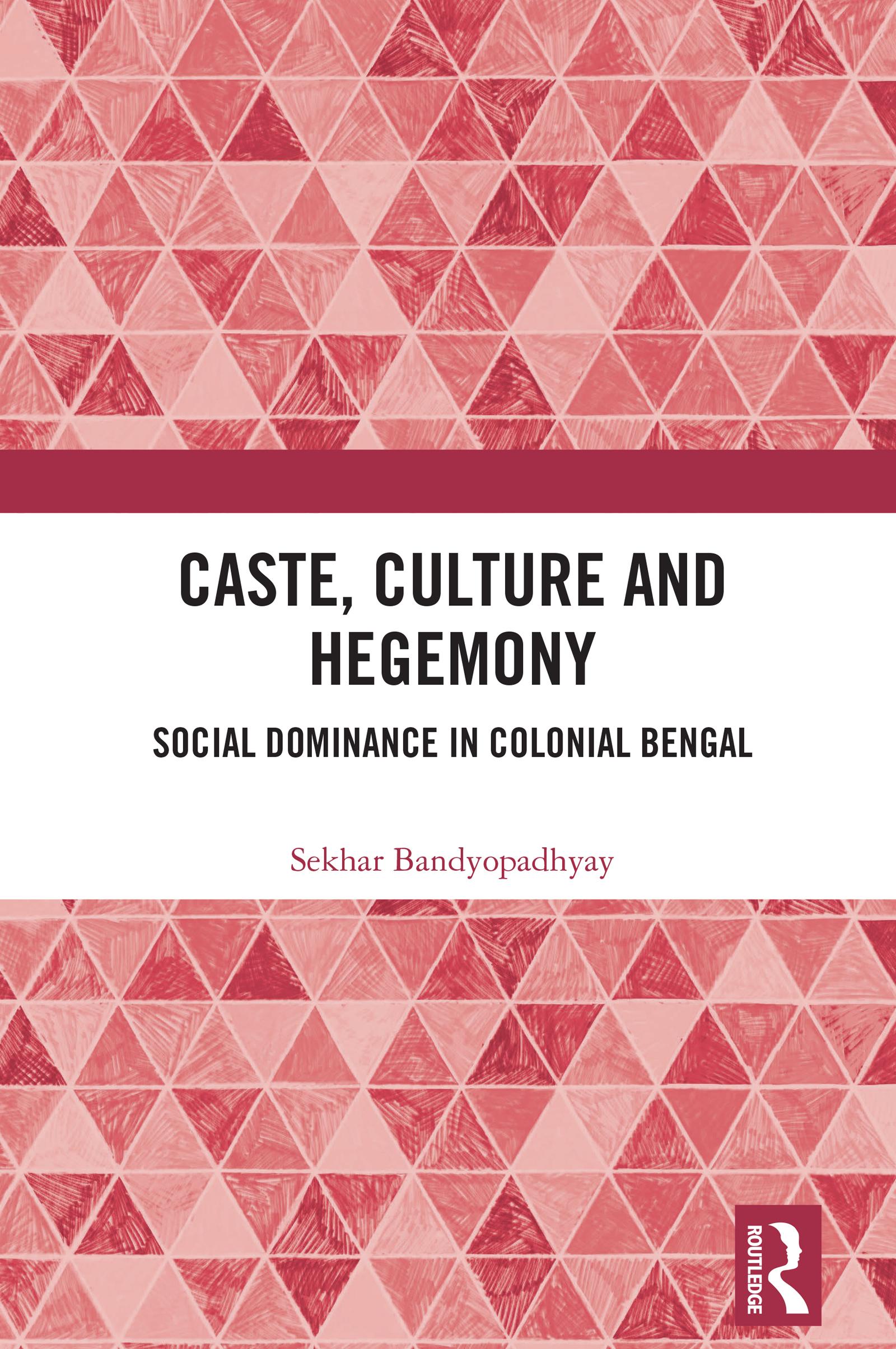
This book looks at how the caste system has withstood resistance from below and survived the challenge of colonial modernity. By using empirical data from Bengal, it explores how Hindu caste society has sought to maintain its cultural hegemony and structural cohesion by frustrating reformist endeavours, by co-opting challenges by the Dalit and by marginalizing internal dissidence during the colonial period. It draws on case studies of early cultural encounters between 'high' Brahmanical tradition and the more egalitarian 'popular' religious cults of the lower castes. It also examines the Hindu 'Partition' campaign, which tended to appropriate dalit autonomous politics and made Hinduism the foundation of an emergent Indian national identity.
The book will be of use to scholars and researchers of history, political science, religion, minority studies, gender studies and South Asian studies.
Płać wygodnie kartą, Klarną, Apple Pay lub Google Pay. Nie jesteś zadowolony? Zawsze masz 14-dniową gwarancję zwrotu pieniędzy. Więcej przeczytasz w naszych warunkach. Masz pytania? Napisz do nas na hello@memmo.org.
Memmo ułatwia naukę – gdziekolwiek jesteś na świecie. U nas znajdziesz podręczniki i sprytne narzędzia do nauki w jednym miejscu: streszczenia, quizy, podcasty i fiszki. A do tego Ted, Twój kumpel do nauki, który odpowie na wszystko, co Cię nurtuje. Ponad 50 000 studentów już tu się uczy – stworzone, byś uczył się szybciej i mniej stresował.