
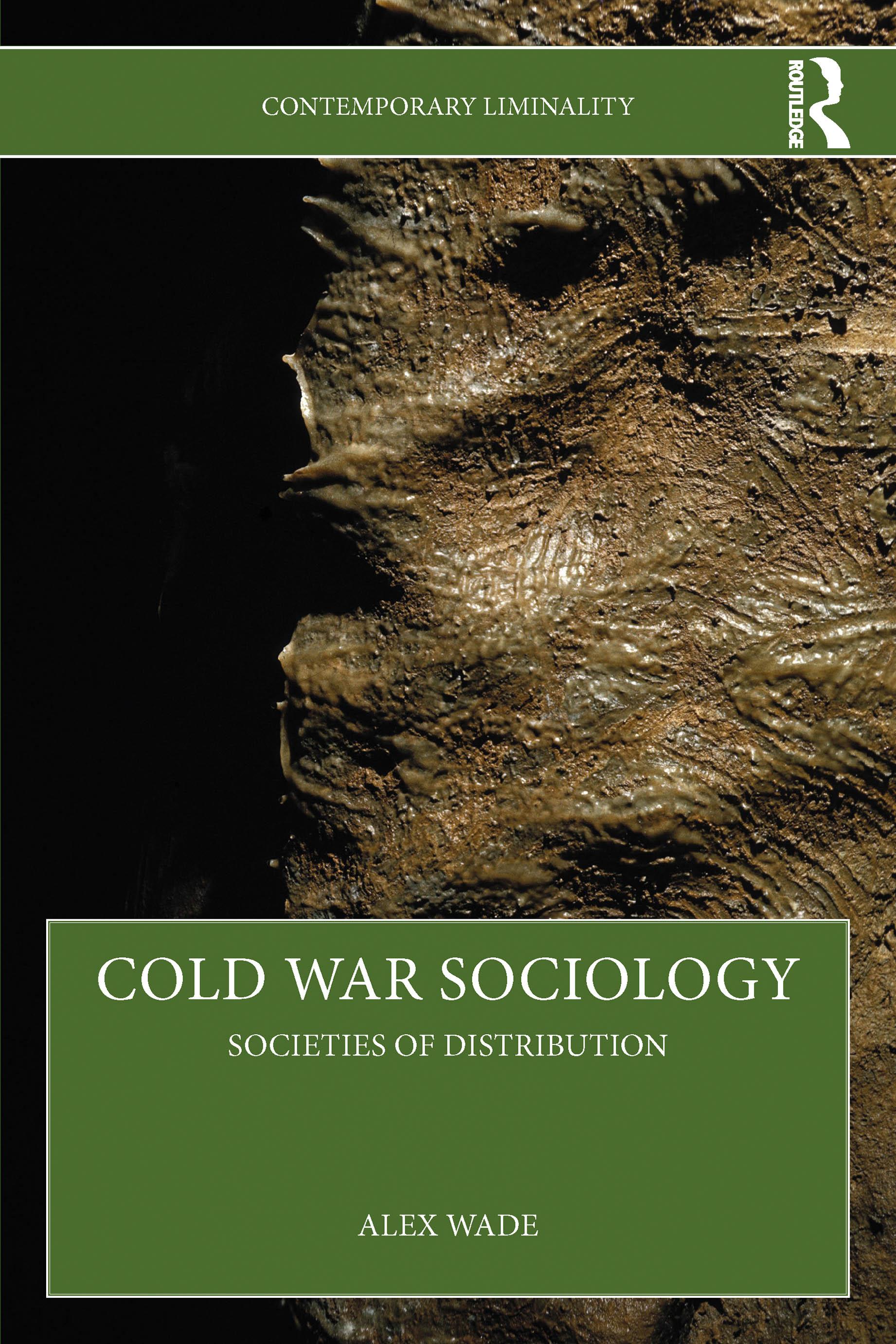
This book positions the Cold War as a liminal time and space that holds sway in the second quarter of the 21st century, informing a broad and deep analysis of how contemporary society was – and continues to be – fashioned by the societies of distribution found in Cold War Sociology.
As a conflict that spanned the second half of the 20th century, the influence of the Cold War continues into the second quarter of the 21st century. Its chief organizing concept was distribution, seen in the technologies and techniques that infused the time, from game theory to the Internet and artificial intelligence, to nuclear silos that projected global power. Cold War Sociology demonstrates how distribution continues to shape politics, economic and social policy and everyday life, causing unintended consequences including climate change, war and resource depletion that are increasingly difficult to address. It draws on key thinkers from the past to the present day and applies them to a series of empirical, sociological case studies including food banking, education, computer technology, conspiracy thinking and media.
This book will be of vital reading to students of sociology, anthropology, social theory and political theory, including undergraduates, postgraduates and researchers who seek to understand the genesis of the often puzzling and contrarian contemporary world, and how the unintended consequences of the Cold War contain answers to present‑day problems.
Płać wygodnie kartą, Klarną, Apple Pay lub Google Pay. Nie jesteś zadowolony? Zawsze masz 14-dniową gwarancję zwrotu pieniędzy. Więcej przeczytasz w naszych warunkach. Masz pytania? Napisz do nas na hello@memmo.org.
Memmo ułatwia naukę – gdziekolwiek jesteś na świecie. U nas znajdziesz podręczniki i sprytne narzędzia do nauki w jednym miejscu: streszczenia, quizy, podcasty i fiszki. A do tego Ted, Twój kumpel do nauki, który odpowie na wszystko, co Cię nurtuje. Ponad 50 000 studentów już tu się uczy – stworzone, byś uczył się szybciej i mniej stresował.