
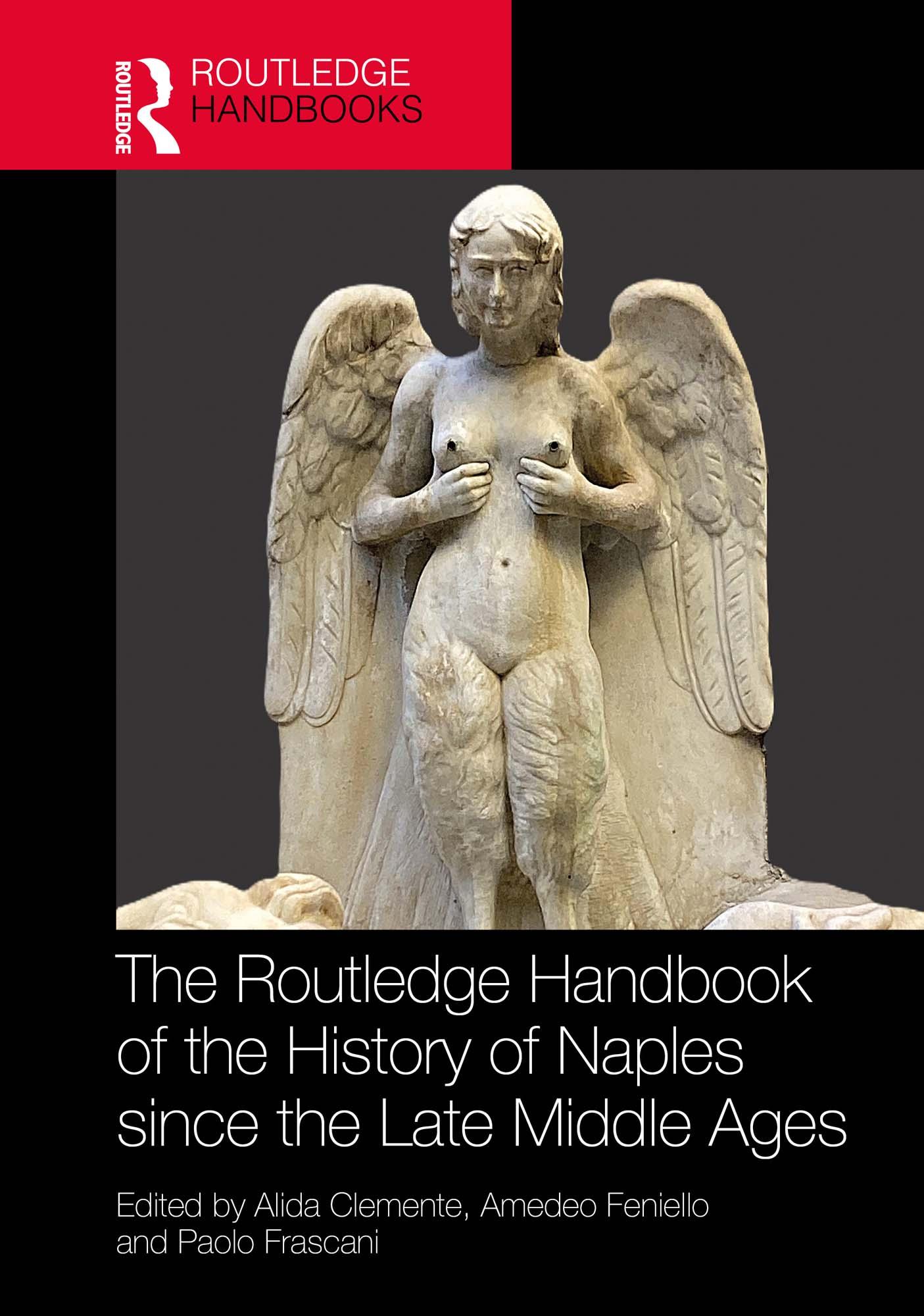
This book offers a comprehensive, interdisciplinary exploration of Naples—a city of profound historical depth and multifaceted complexity situated at the geographic and cultural crossroads of Europe and the Mediterranean. Spanning from the Late Middle Ages to the present day, it examines the intricate relationships between power, society and urban transformation that have shaped its distinctive identity.
Moving beyond traditional narratives, this volume presents a blend of diachronic narrative and thematic insights into key aspects of political, social, economic and cultural history. It traces Naples' assertion as the capital of an early centralised kingdom, charting its physical evolution along with its economic and social fabric. This book also examines the city's complex search for a redefinition of its role in the post-unification era—a pivotal turning point in its history—ultimately providing readers with the analytical framework needed to decipher the history of a city whose image is heavily influenced by myths and stereotypes.
The Routledge Handbook of the History of Naples since the Late Middle Ages serves as a valuable resource for scholars and postgraduates specialising in urban history, Mediterranean studies, and Italian history, offering fresh perspectives and rigorous methodologies. Its clear approach also makes it highly useful for undergraduates and non-specialist readers, including booksellers and librarians, seeking a deeper understanding of Naples' enduring legacy.
Płać wygodnie kartą, Klarną, Apple Pay lub Google Pay. Nie jesteś zadowolony? Zawsze masz 14-dniową gwarancję zwrotu pieniędzy. Więcej przeczytasz w naszych warunkach. Masz pytania? Napisz do nas na hello@memmo.org.
Memmo ułatwia naukę – gdziekolwiek jesteś na świecie. U nas znajdziesz podręczniki i sprytne narzędzia do nauki w jednym miejscu: streszczenia, quizy, podcasty i fiszki. A do tego Ted, Twój kumpel do nauki, który odpowie na wszystko, co Cię nurtuje. Ponad 50 000 studentów już tu się uczy – stworzone, byś uczył się szybciej i mniej stresował.