
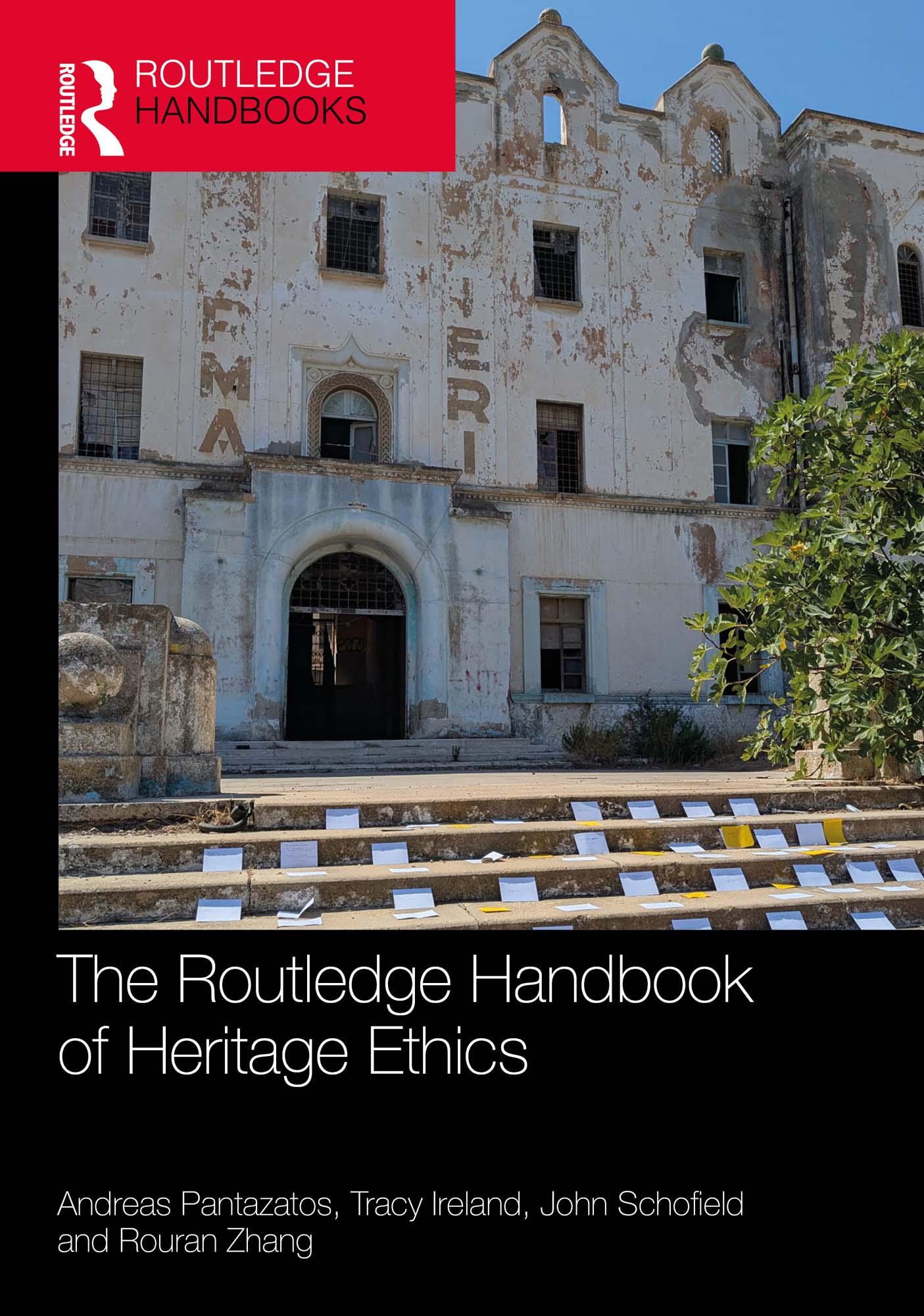
The Routledge Handbook of Heritage Ethics offers a comprehensive and rigorous analysis of the concepts, challenges and dilemmas that characterise and shape contemporary heritage ethics in theory and practice. The essays within this volume examine how ethical approaches to heritage have evolved and explore the ethical issues that have arisen from these changing contexts. Including 34 original, detailed, and impassioned contributions from across five continents, this book affords equal focus to theoretical perspectives and practice, drawing out the importance of ethics through diverse case studies on topics as varied as built heritage, colonialism, material culture, the environment, traditions and lived experience. Throughout this volume, chapters highlight the need for all practitioners and researchers to adopt an ethical approach, alongside the need to understand what this entails and how best to deliver it. Following a foundational introduction that contextualises ethics within broader cultural changes, and a first section outlining key theoretical frameworks, chapters are divided into four thematic sections on difficult heritage, digital heritage, heritage interactions and heritage management and policy.
Together, these chapters comprise an important, timely and wide-ranging volume that provides a fresh analysis of the key concepts that shape and inform heritage ethics. It will engage those whose work and interests intersect with the broad gamut of cultural heritage—whether physical or digital, focused on artefacts or communities, the iconic or the everyday, in the field, museums or historic sites, from the remote past or the contemporary world. This Handbook will be of interest to students, researchers and practitioners from across a broad range of disciplines, including anthropology, archaeology, geography, heritage studies, history and philosophy.
Płać wygodnie kartą, Klarną, Apple Pay lub Google Pay. Nie jesteś zadowolony? Zawsze masz 14-dniową gwarancję zwrotu pieniędzy. Więcej przeczytasz w naszych warunkach. Masz pytania? Napisz do nas na hello@memmo.org.
Memmo ułatwia naukę – gdziekolwiek jesteś na świecie. U nas znajdziesz podręczniki i sprytne narzędzia do nauki w jednym miejscu: streszczenia, quizy, podcasty i fiszki. A do tego Ted, Twój kumpel do nauki, który odpowie na wszystko, co Cię nurtuje. Ponad 50 000 studentów już tu się uczy – stworzone, byś uczył się szybciej i mniej stresował.