
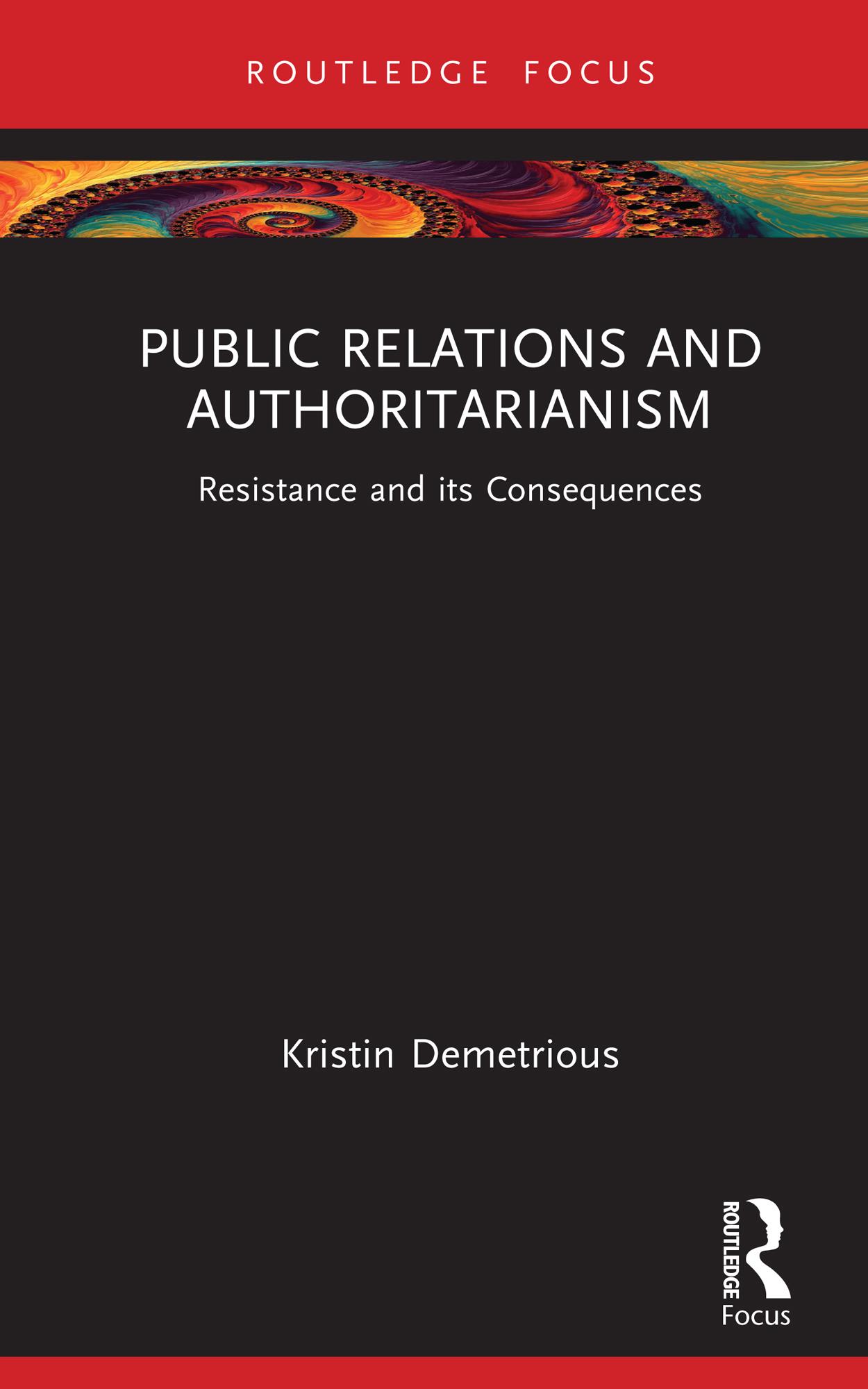
This book traces a resistance to public relations (PR) from the postwar period that sought to expose it as a dangerous, but little understood political dynamic. Critically exploring authoritarianism as a key concept, it argues “PR”’s market-friendly but oppressive and concealed language practices have systematically led to many of the divisive and polarised communication styles that we see today, and has had wider damaging effects for society.
Rich with illustrative examples, the chapters set out the limits of "PR" in relation to "truth" and show how literature and websites opened an important but under-recognised space in which neoliberal dogma was challenged. Offering a major new theory, it introduces a radical way to think about public relations and its relationship to democracy and society, and to understand its legacies like climate change denial.
This accessible book renews critique and is a valuable reference for undergraduate and postgraduate students studying and researching media and communication, politics, sociology, cultural sociology, cultural studies and history, and for those working in the communication industries.
Płać wygodnie kartą, Klarną, Apple Pay lub Google Pay. Nie jesteś zadowolony? Zawsze masz 14-dniową gwarancję zwrotu pieniędzy. Więcej przeczytasz w naszych warunkach. Masz pytania? Napisz do nas na hello@memmo.org.
Memmo ułatwia naukę – gdziekolwiek jesteś na świecie. U nas znajdziesz podręczniki i sprytne narzędzia do nauki w jednym miejscu: streszczenia, quizy, podcasty i fiszki. A do tego Ted, Twój kumpel do nauki, który odpowie na wszystko, co Cię nurtuje. Ponad 50 000 studentów już tu się uczy – stworzone, byś uczył się szybciej i mniej stresował.