
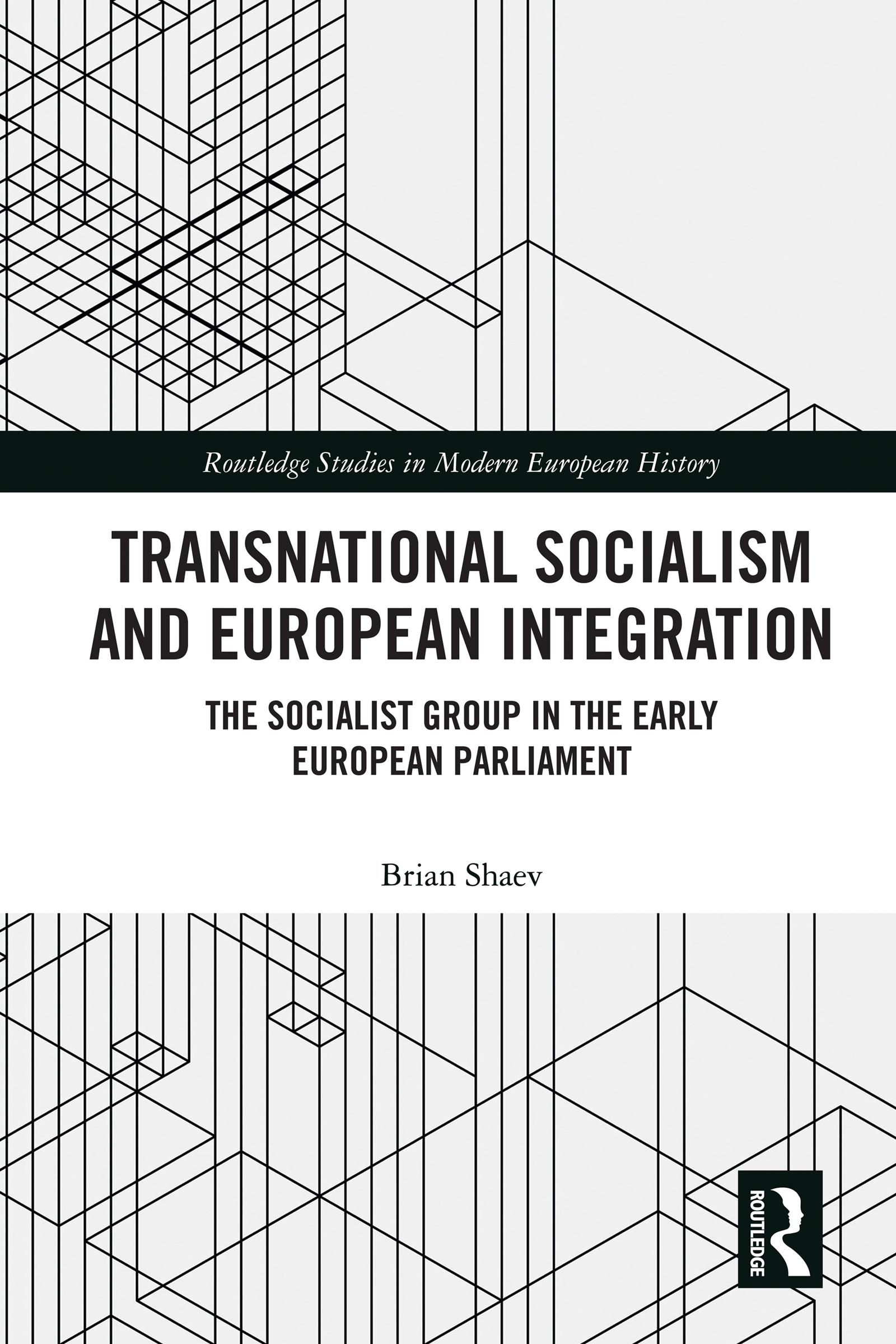
This history of the Socialist Group in the early European Parliament covers its role in six policy areas that formed the core of postwar European integration: foreign policy, democracy and institutions, social policy, agriculture, migration and free movement, and cartel and competition policy.
By the early 1960s, Socialist Group members had laboriously constructed an alternative path for European unity intended to reconcile trade liberalization with macroeconomic programming and social welfare. As their ambitions grew, they clashed with other party groups, turning the European Parliament into a venue for political battles. However, disappointments, generational turnover and European enlargement delivered mighty blows to the group’s culture of transnational cooperation in the late 1960s–1970s. For readers interested in why many socialists supported European integration after WWII—the influence they had and how they grappled with the policy side of European unity—this book presents a penetratingly deep glimpse into the Socialist Group’s concrete vision for a Socialist Europe in the postwar era.
This volume will appeal to scholars and students interested in social democracy, European Studies and European Union Studies, parliamentary democracy, and modern European political and economic history.
Płać wygodnie kartą, Klarną, Apple Pay lub Google Pay. Nie jesteś zadowolony? Zawsze masz 14-dniową gwarancję zwrotu pieniędzy. Więcej przeczytasz w naszych warunkach. Masz pytania? Napisz do nas na hello@memmo.org.
Memmo ułatwia naukę – gdziekolwiek jesteś na świecie. U nas znajdziesz podręczniki i sprytne narzędzia do nauki w jednym miejscu: streszczenia, quizy, podcasty i fiszki. A do tego Ted, Twój kumpel do nauki, który odpowie na wszystko, co Cię nurtuje. Ponad 50 000 studentów już tu się uczy – stworzone, byś uczył się szybciej i mniej stresował.