
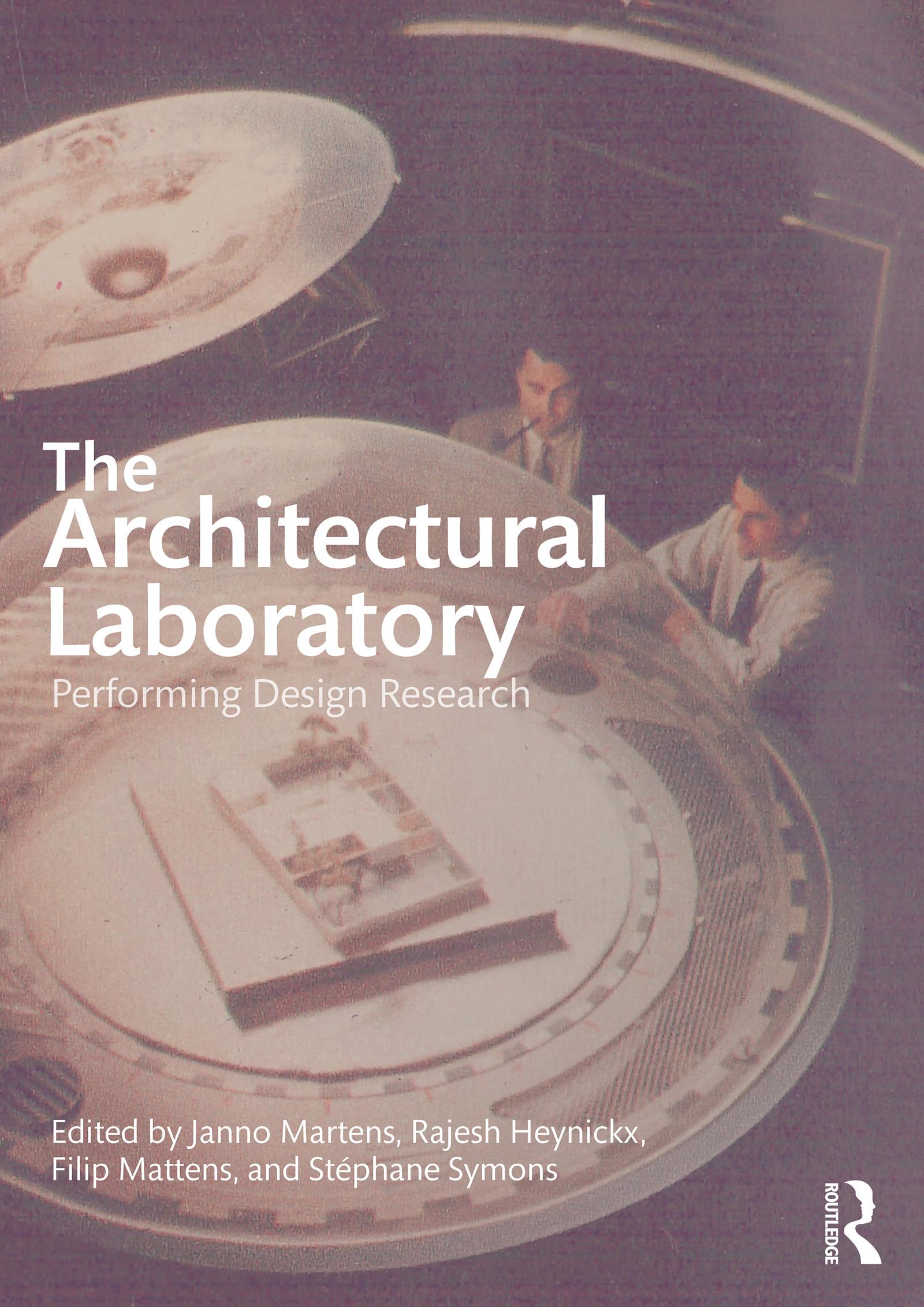
Over the past thirty years, the number of architectural laboratories has surged from a handful to hundreds across the globe. Yet the term remains elusive: What defines an architectural lab? And why has it become so compelling to architects today?
The Architectural Laboratory is the first volume to critically address these questions, assembling a series of essays that examine some of the most remarkable architectural labs of the twentieth century. While scientific laboratories have long been the subject of scholarly inquiry, architecture labs remain underexplored. This book situates them within their specific architectural-historical contexts, revealing how they have operated both metaphorically and materially.
On the one hand, architectural laboratories have functioned as amulets – protective spaces that shield practitioners from conventional expectations while fostering creativity through their unique material environments. On the other, they served as shibboleths – symbolic alignments with scientific traditions that lend credibility and facilitate interdisciplinary exchange. Within this dual framework, the volume identifies three key modalities of laboratory performance: simulation, personification, and technological visualization.
Essential reading for architectural historians, theorists, practitioners, educators, students, critics, and curators, The Architectural Laboratory offers a compelling lens through which to understand the evolving role of experimentation in architectural practice.
Płać wygodnie kartą, Klarną, Apple Pay lub Google Pay. Nie jesteś zadowolony? Zawsze masz 14-dniową gwarancję zwrotu pieniędzy. Więcej przeczytasz w naszych warunkach. Masz pytania? Napisz do nas na hello@memmo.org.
Memmo ułatwia naukę – gdziekolwiek jesteś na świecie. U nas znajdziesz podręczniki i sprytne narzędzia do nauki w jednym miejscu: streszczenia, quizy, podcasty i fiszki. A do tego Ted, Twój kumpel do nauki, który odpowie na wszystko, co Cię nurtuje. Ponad 50 000 studentów już tu się uczy – stworzone, byś uczył się szybciej i mniej stresował.