
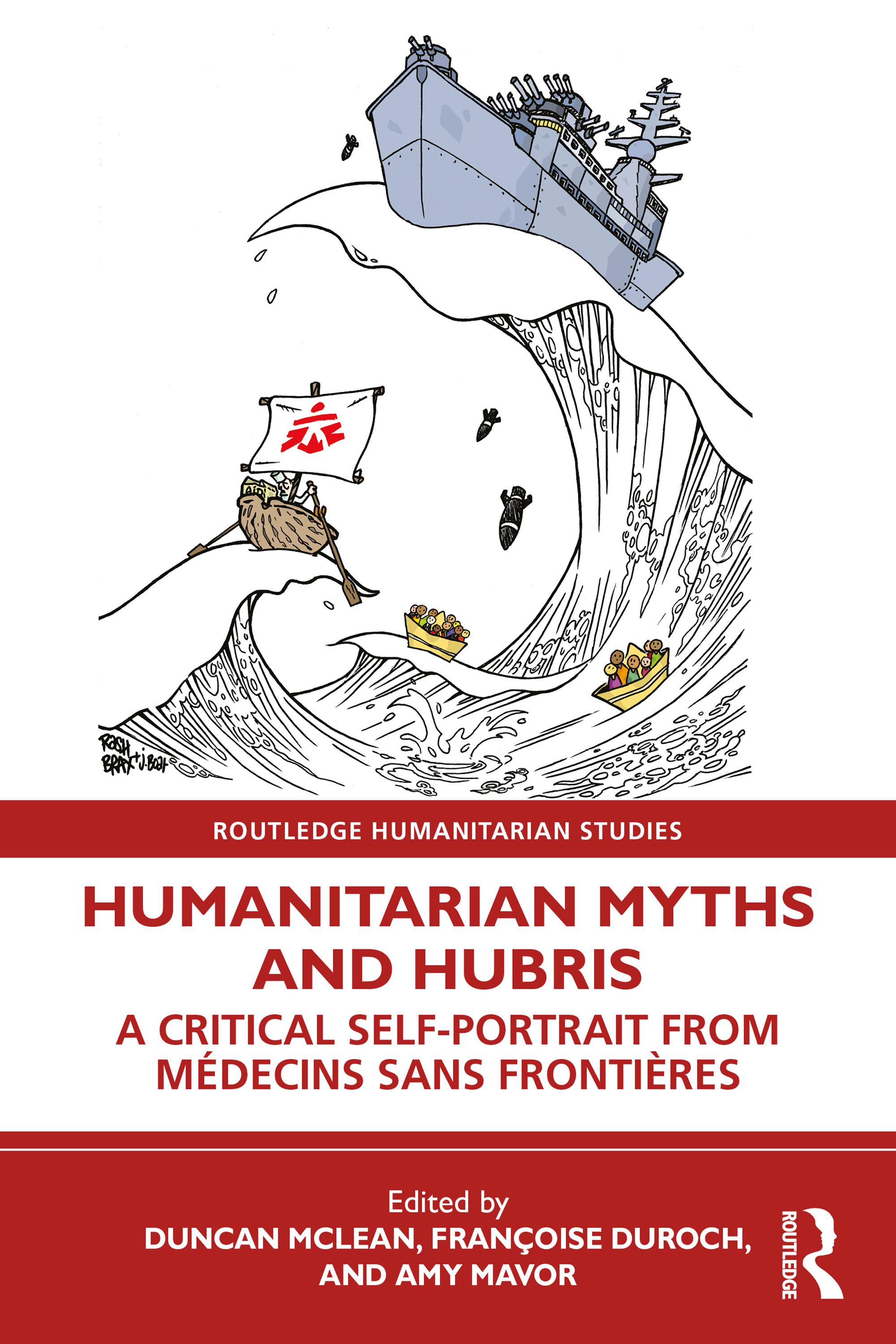
This collective work offers a critical analysis of contemporary humanitarian action, through the prism of Médecins Sans Frontières/Doctors Without Borders (MSF).
Initially created to provide healthcare to the most vulnerable populations in crisis-stricken countries, MSF has grown from just a few dozen members in 1971 to a movement of over 67,000 people with an annual budget of over 2 billion euros. But in today’s rapidly evolving global landscape, many of the founding principles and myths surrounding its creation are questioned or undermined. The post-COVID era has been marked by a reinforcement or acceleration of pre-existing trends that continue to challenge the work of humanitarian organisations: restrictive, or indeed hostile, state policies; the presence of non-state actors in counter-terrorism contexts; questionable adherence to international humanitarian law. MSF must also address several key issues, such as combating discrimination, defining its position with regard to protest movements in countries of intervention, confronting challenges related to climate change and global health security, and safeguarding patients’ personal data.
Drawing on the viewpoints of practitioners, analysts, and academics, this book will be an essential read for anyone engaged in or curious about humanitarian action.
Płać wygodnie kartą, Klarną, Apple Pay lub Google Pay. Nie jesteś zadowolony? Zawsze masz 14-dniową gwarancję zwrotu pieniędzy. Więcej przeczytasz w naszych warunkach. Masz pytania? Napisz do nas na hello@memmo.org.
Memmo ułatwia naukę – gdziekolwiek jesteś na świecie. U nas znajdziesz podręczniki i sprytne narzędzia do nauki w jednym miejscu: streszczenia, quizy, podcasty i fiszki. A do tego Ted, Twój kumpel do nauki, który odpowie na wszystko, co Cię nurtuje. Ponad 50 000 studentów już tu się uczy – stworzone, byś uczył się szybciej i mniej stresował.