
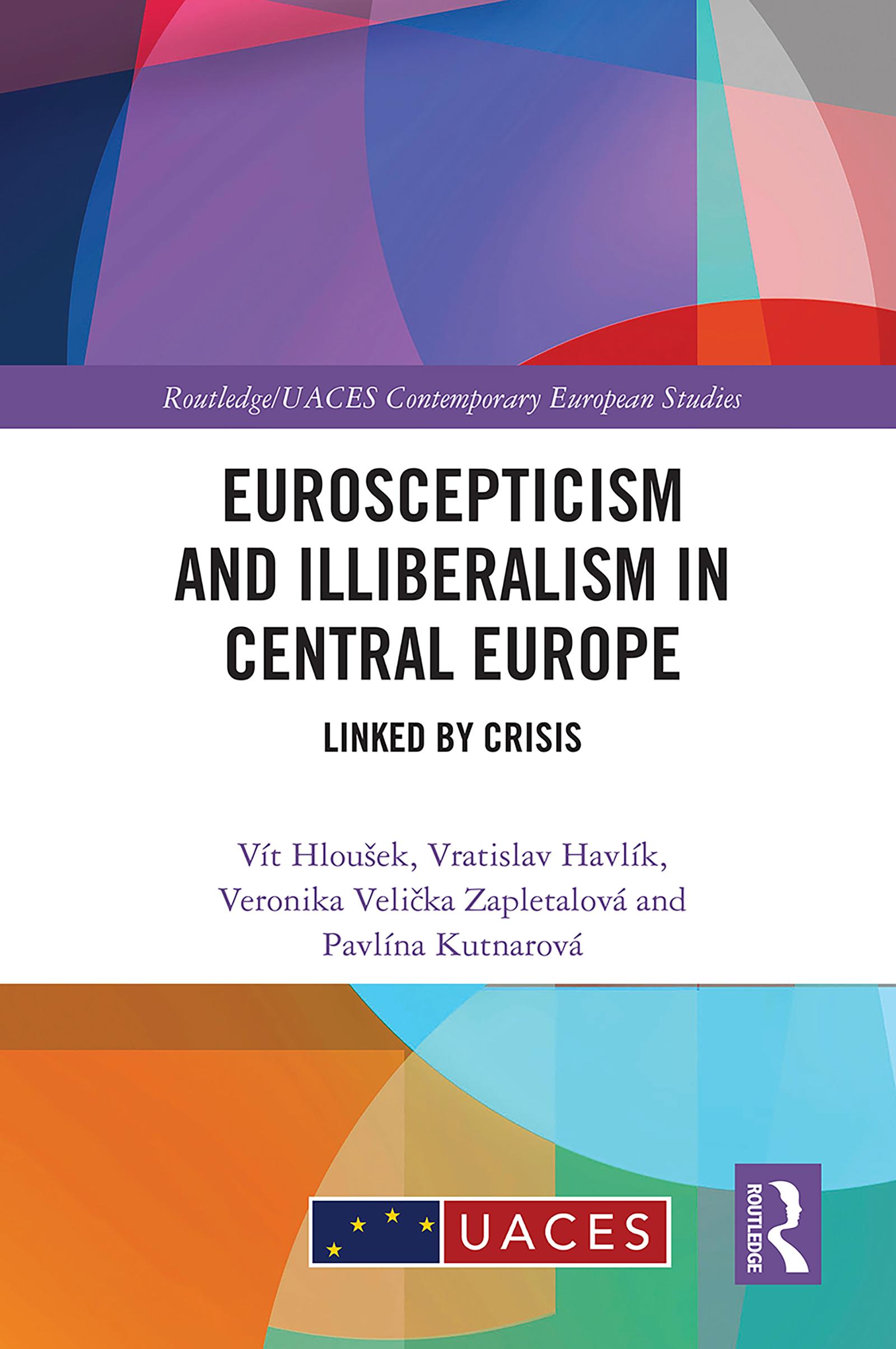
This book uses the V4 countries as an ideal political environment for testing shifts in Euroscepticism and illiberalism in the dynamic context of the “politicising moments” of multiple crises.
It analyses what kind of Euroscepticism prevailed in East-Central Europe during the COVID-19 and Ukrainian war crises and how it changed compared to its manifestation during the earlier Eurozone and migration crises. With this, it looks at how, and under what circumstances, Eurosceptic narratives were linked to illiberal ones. The authors reveal that Euroscepticism and illiberalism are more than pure coincidence and highlight the conceptual connections between them, showing how Euroscepticism and illiberalism cross-fertilise and reinforce each other.
This book is of key interest to scholars and students of Euroscepticism, Central-Eastern European, party politics, illiberalism, politics in the period of crises and more broadly to European and EU studies, comparative politics, and area studies.
Płać wygodnie kartą, Klarną, Apple Pay lub Google Pay. Nie jesteś zadowolony? Zawsze masz 14-dniową gwarancję zwrotu pieniędzy. Więcej przeczytasz w naszych warunkach. Masz pytania? Napisz do nas na hello@memmo.org.
Memmo ułatwia naukę – gdziekolwiek jesteś na świecie. U nas znajdziesz podręczniki i sprytne narzędzia do nauki w jednym miejscu: streszczenia, quizy, podcasty i fiszki. A do tego Ted, Twój kumpel do nauki, który odpowie na wszystko, co Cię nurtuje. Ponad 50 000 studentów już tu się uczy – stworzone, byś uczył się szybciej i mniej stresował.