
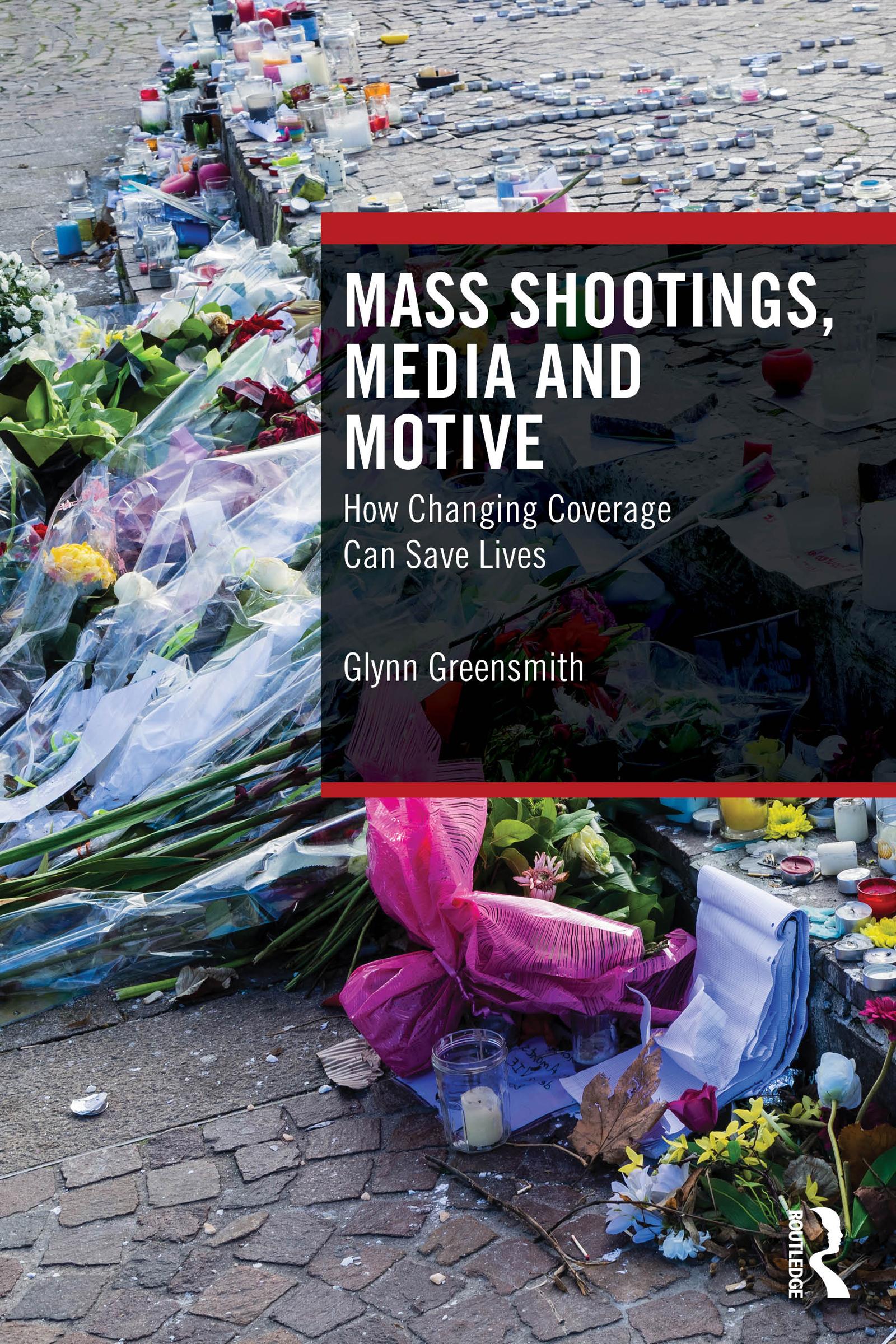
Media coverage is a hugely significant factor in the rise, frequency, and lethality of mass shootings. After the murder of 16 people at the University of Texas in 1966, the crime of random mass shootings went from an oddity, a rarity, to widespread. What changed? In simple terms: the news did.
This book uses major cultural events in Australia (Port Arthur and Bondi Beach), Scotland (Dunblane), Norway (Oslo), New Zealand (Christchurch), and the US to synthesise 60 years of mass shooting research into the journalism perspective, outlining: the script of coverage, the nature of copycat versus contagion, the typology and lessons from the amok phenomenon, and the relevance of the rise of single-actor terrorism. It outlines the history of mass murder, details the turning points, and brings first-hand accounts from those who have been directly impacted by it, and those who have reported it.
This book outlines changes to reporting guidelines that have been made, and the news editors who made those changes explain exactly why and how they did it. This book details and recommends changes that can be made: recommendations for reporting guidelines that can make a difference, that can unquestionably save lives. How we tell a story matters, and, in the case of mass murder, the journalism perspective is essential.
Change the story, change the crime.
Płać wygodnie kartą, Klarną, Apple Pay lub Google Pay. Nie jesteś zadowolony? Zawsze masz 14-dniową gwarancję zwrotu pieniędzy. Więcej przeczytasz w naszych warunkach. Masz pytania? Napisz do nas na hello@memmo.org.
Memmo ułatwia naukę – gdziekolwiek jesteś na świecie. U nas znajdziesz podręczniki i sprytne narzędzia do nauki w jednym miejscu: streszczenia, quizy, podcasty i fiszki. A do tego Ted, Twój kumpel do nauki, który odpowie na wszystko, co Cię nurtuje. Ponad 50 000 studentów już tu się uczy – stworzone, byś uczył się szybciej i mniej stresował.