
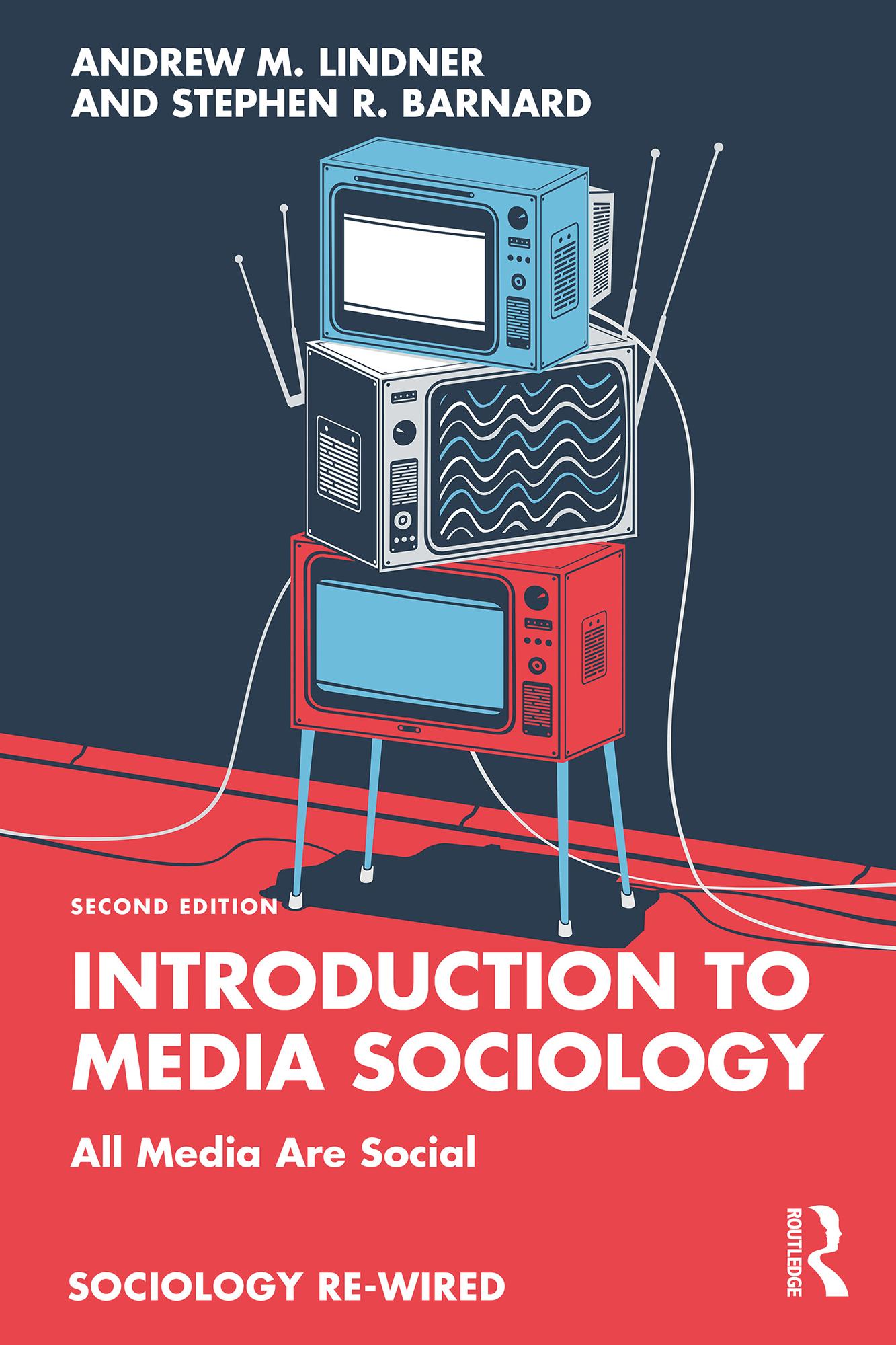
From streaming platforms to smartphone apps to good old-fashioned newspapers, media are nearly omnipresent in contemporary life and act as a powerful social institution. In this new edition of Introduction to Media Sociology, Lindner and Barnard encourage readers to think critically about topics such as the power of big media companies; state–media relations; politics and journalism; representations of race, class, gender, and sexuality in media; and what social media may or may not be doing to our brains. Each chapter explores pressing questions about media by synthesizing insights from classic and contemporary social scientific research, both quantitative and qualitative, with examples drawn from new and traditional media from across the globe. The second edition reflects the evolving power of Big Tech firms, the proliferation of misinformation, and voices from outside the mainstream. It also features a new chapter on generative artificial intelligence that addresses its potential to disrupt the creation, distribution, and reception of media, including by supercharging scams, deepfakes, and hate speech, or by reshaping social relationships. With strong emphases on theory and methods, Lindner and Barnard once again provide students and general readers alike with the tools to better understand the ever-changing media landscape.
Płać wygodnie kartą, Klarną, Apple Pay lub Google Pay. Nie jesteś zadowolony? Zawsze masz 14-dniową gwarancję zwrotu pieniędzy. Więcej przeczytasz w naszych warunkach. Masz pytania? Napisz do nas na hello@memmo.org.
Memmo ułatwia naukę – gdziekolwiek jesteś na świecie. U nas znajdziesz podręczniki i sprytne narzędzia do nauki w jednym miejscu: streszczenia, quizy, podcasty i fiszki. A do tego Ted, Twój kumpel do nauki, który odpowie na wszystko, co Cię nurtuje. Ponad 50 000 studentów już tu się uczy – stworzone, byś uczył się szybciej i mniej stresował.