
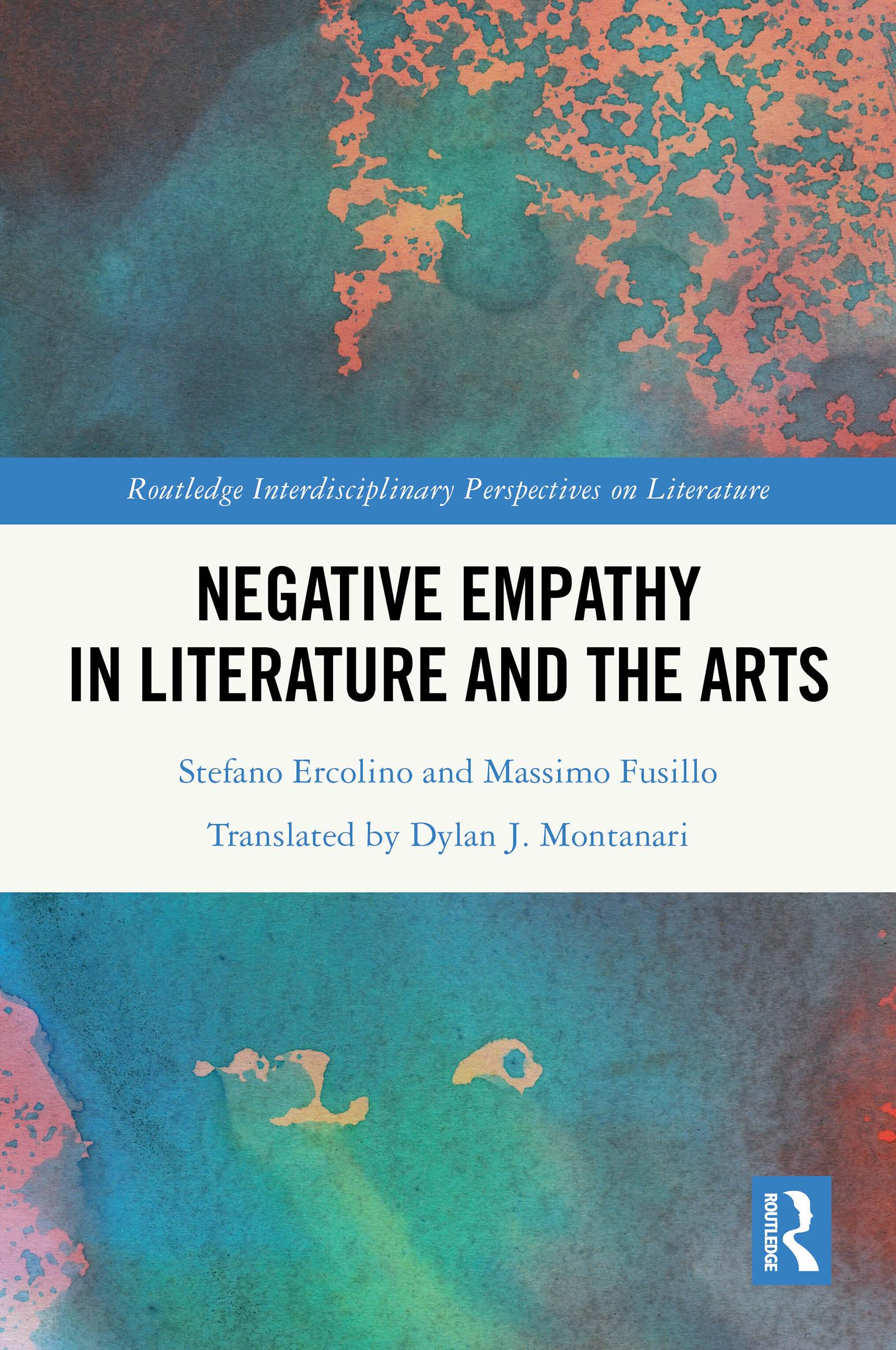
Negative Empathy in Literature and the Arts explores how readers and viewers engage cognitively and affectively with ethically troubling artworks across literature, the visual and performing arts, and screen media. Drawing on aesthetics, cultural history and theory, psychology, and neuroscience, Stefano Ercolino and Massimo Fusillo introduce the concept of “negative empathy” to describe the ambivalent and destabilizing emotional responses elicited by representations of negativity in art. Rather than dismissing empathy as naïve, the authors argue for a more nuanced understanding of its darker forms and their cognitive and ethical value. Through a comparative and intermedial approach, the book analyzes case studies from Littell’s The Kindly Ones to Wilson’s Deafman Glance; from Verdi’s Macbeth and Nitsch’s Theatre of Orgies and Mysteries to Caravaggio’s Martyrdom of Saint Matthew, Mapplethorpe’s “X” Portfolio, Kiefer’s The Seven Heavenly Palaces, Haneke’s The White Ribbon, and Gilligan’s Breaking Bad—offering a compelling new theory of aesthetic engagement.
Płać wygodnie kartą, Klarną, Apple Pay lub Google Pay. Nie jesteś zadowolony? Zawsze masz 14-dniową gwarancję zwrotu pieniędzy. Więcej przeczytasz w naszych warunkach. Masz pytania? Napisz do nas na hello@memmo.org.
Memmo ułatwia naukę – gdziekolwiek jesteś na świecie. U nas znajdziesz podręczniki i sprytne narzędzia do nauki w jednym miejscu: streszczenia, quizy, podcasty i fiszki. A do tego Ted, Twój kumpel do nauki, który odpowie na wszystko, co Cię nurtuje. Ponad 50 000 studentów już tu się uczy – stworzone, byś uczył się szybciej i mniej stresował.