
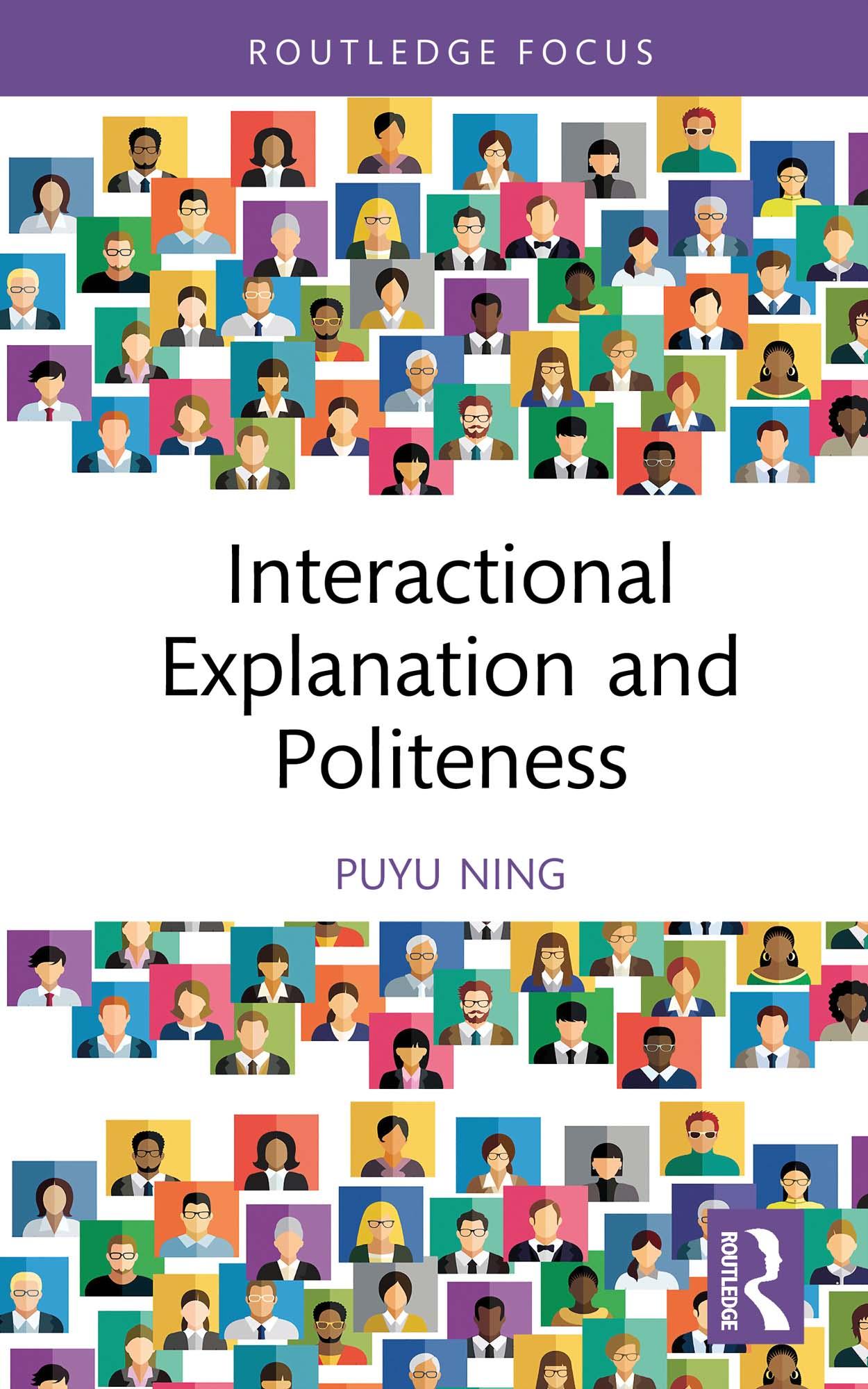
This book explores the pragmatic concept of interactional explanation (IE) in linguistic (im)politeness research.
This volume establishes a working understanding of IE, understood as the response to a perceived appeal for information in an interaction. This book considers how IE is pragmatically sought, given, interpreted, and evaluated in interactions, processes which give rise to linguistic (im)politeness. This book highlights two case studies on Chinese linguacultural nuances, building on the foundational work of Brown and Levinson and more recent contribu-tions of Chen. In showcasing this particular context, Ning not only extends Chen's work on self-politeness theory, in which the desire to "save face" impacts what and how one speaks, but also underscores the importance of studying linguacultural variations in order to deepen our understanding of the connections between IE and linguistic (im)politeness research.
This book will appeal to students and researchers interested in interac-tional phenomena, in such areas as pragmatics, language and communication, and second and foreign language and teaching.
Płać wygodnie kartą, Klarną, Apple Pay lub Google Pay. Nie jesteś zadowolony? Zawsze masz 14-dniową gwarancję zwrotu pieniędzy. Więcej przeczytasz w naszych warunkach. Masz pytania? Napisz do nas na hello@memmo.org.
Memmo ułatwia naukę – gdziekolwiek jesteś na świecie. U nas znajdziesz podręczniki i sprytne narzędzia do nauki w jednym miejscu: streszczenia, quizy, podcasty i fiszki. A do tego Ted, Twój kumpel do nauki, który odpowie na wszystko, co Cię nurtuje. Ponad 50 000 studentów już tu się uczy – stworzone, byś uczył się szybciej i mniej stresował.