
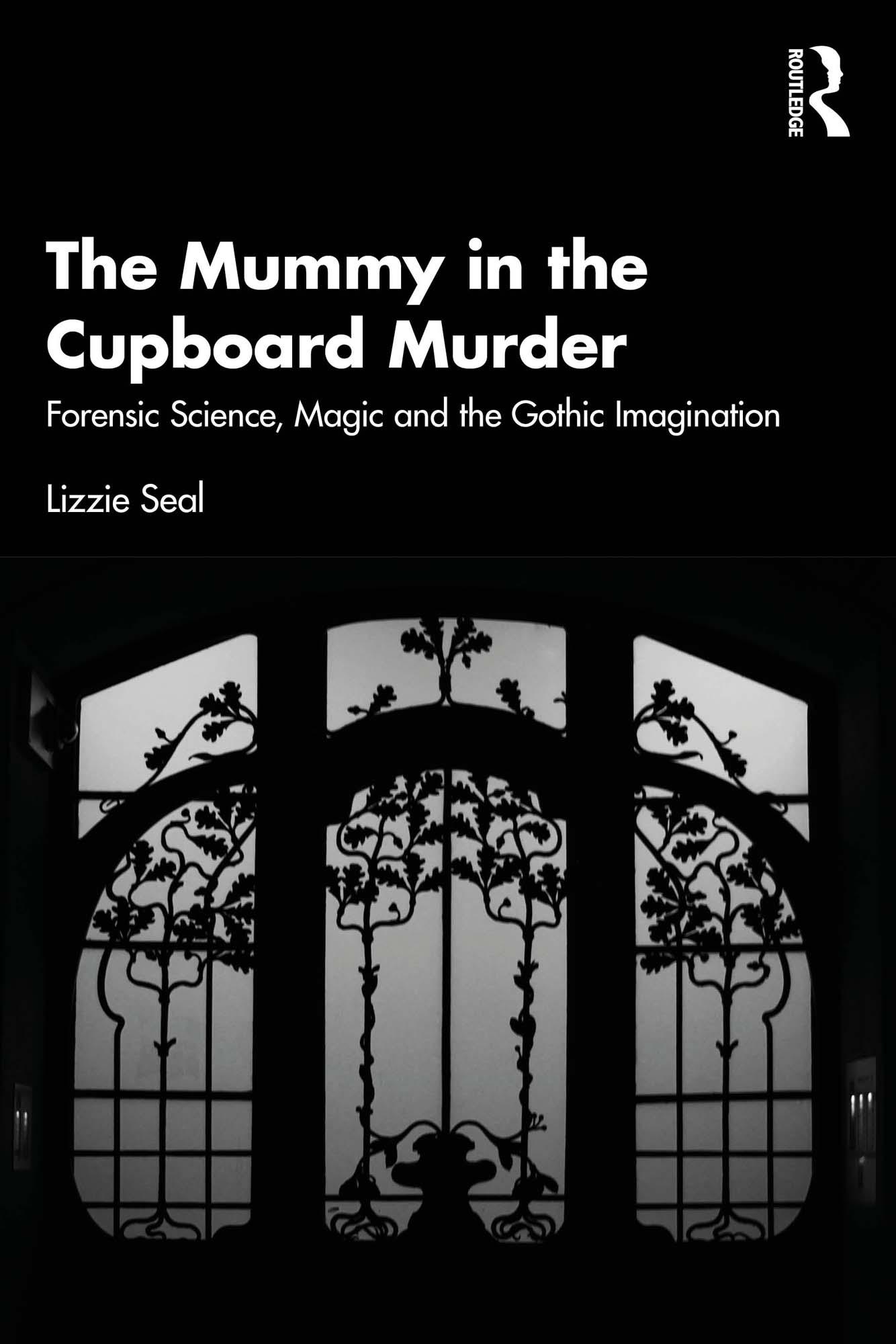
Using the mid-twentieth-century microhistorical example of the so-called ‘Mummy in the Cupboard Murder’, Lizzie Seal examines the significance of the Gothic to understandings of crime.
In a case that hinged on forensic evidence, Sarah Jane Harvey, the owner of a boarding house in Rhyl, North Wales, was tried for the murder of Frances Knight whose naturally mummified corpse was discovered in a locked cupboard of the house in 1960. The book applies Gothic criminology to an empirical historical example, considers the interchange between fact and fiction, traces developments in mid twentieth-century forensic pathology, and contributes to historical criminology by extending this approach’s conceptual base.
The Mummy in the Cupboard Murder is ideal for students and scholars of cultural criminology, crime and media, twentieth-century British history, and crime history, as well as those with an interest in the Gothic.
Płać wygodnie kartą, Klarną, Apple Pay lub Google Pay. Nie jesteś zadowolony? Zawsze masz 14-dniową gwarancję zwrotu pieniędzy. Więcej przeczytasz w naszych warunkach. Masz pytania? Napisz do nas na hello@memmo.org.
Memmo ułatwia naukę – gdziekolwiek jesteś na świecie. U nas znajdziesz podręczniki i sprytne narzędzia do nauki w jednym miejscu: streszczenia, quizy, podcasty i fiszki. A do tego Ted, Twój kumpel do nauki, który odpowie na wszystko, co Cię nurtuje. Ponad 50 000 studentów już tu się uczy – stworzone, byś uczył się szybciej i mniej stresował.