
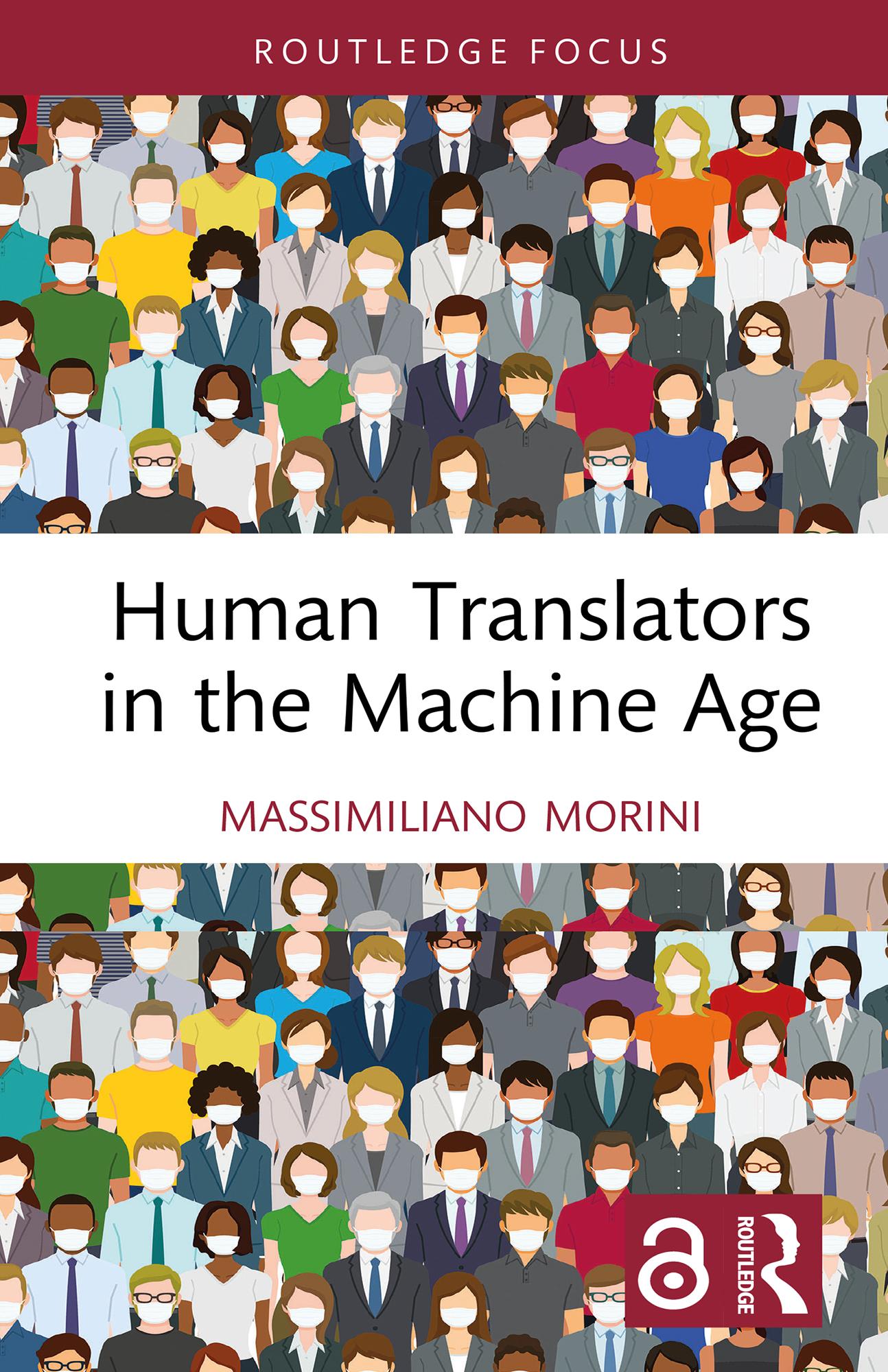
What is the place of human translation in the golden age of artificial intelligence? Human Translators in the Machine Age looks at the millennia of history that have shaped the discipline and its practitioners, and asks what it is that makes translators central in human civilization, and fundamentally different from linguistically competent machines.
Contrary to the age-old emphasis on source adherence and the sacredness of text, it presents translation as a continuous process of semantic and pragmatic drift, and translators as agents of linguistic and cultural change. In doing so it questions all traditional and contemporary dichotomies (faithful/unfaithful, domesticating/foreignizing) and exposes the textual bias which lies at the root of all Western ideas on translation.
Oral in origin, rich and irreducible in its processes and outcomes, deeply and inevitably personal in output, human translation remains central in the machine age precisely because it is the most common human way of receiving, accounting for, and modifying all forms of knowledge and experience. This concise volume offers both a compelling history of translation and a fresh examination of the translator’s role in an AI-dominated world. It engages critically with contemporary translation theory while innovatively exploring the intersection of written and spoken discourse. Essential reading for translators, students, scholars, and anyone interested in linguistic theory.
Płać wygodnie kartą, Klarną, Apple Pay lub Google Pay. Nie jesteś zadowolony? Zawsze masz 14-dniową gwarancję zwrotu pieniędzy. Więcej przeczytasz w naszych warunkach. Masz pytania? Napisz do nas na hello@memmo.org.
Memmo ułatwia naukę – gdziekolwiek jesteś na świecie. U nas znajdziesz podręczniki i sprytne narzędzia do nauki w jednym miejscu: streszczenia, quizy, podcasty i fiszki. A do tego Ted, Twój kumpel do nauki, który odpowie na wszystko, co Cię nurtuje. Ponad 50 000 studentów już tu się uczy – stworzone, byś uczył się szybciej i mniej stresował.