
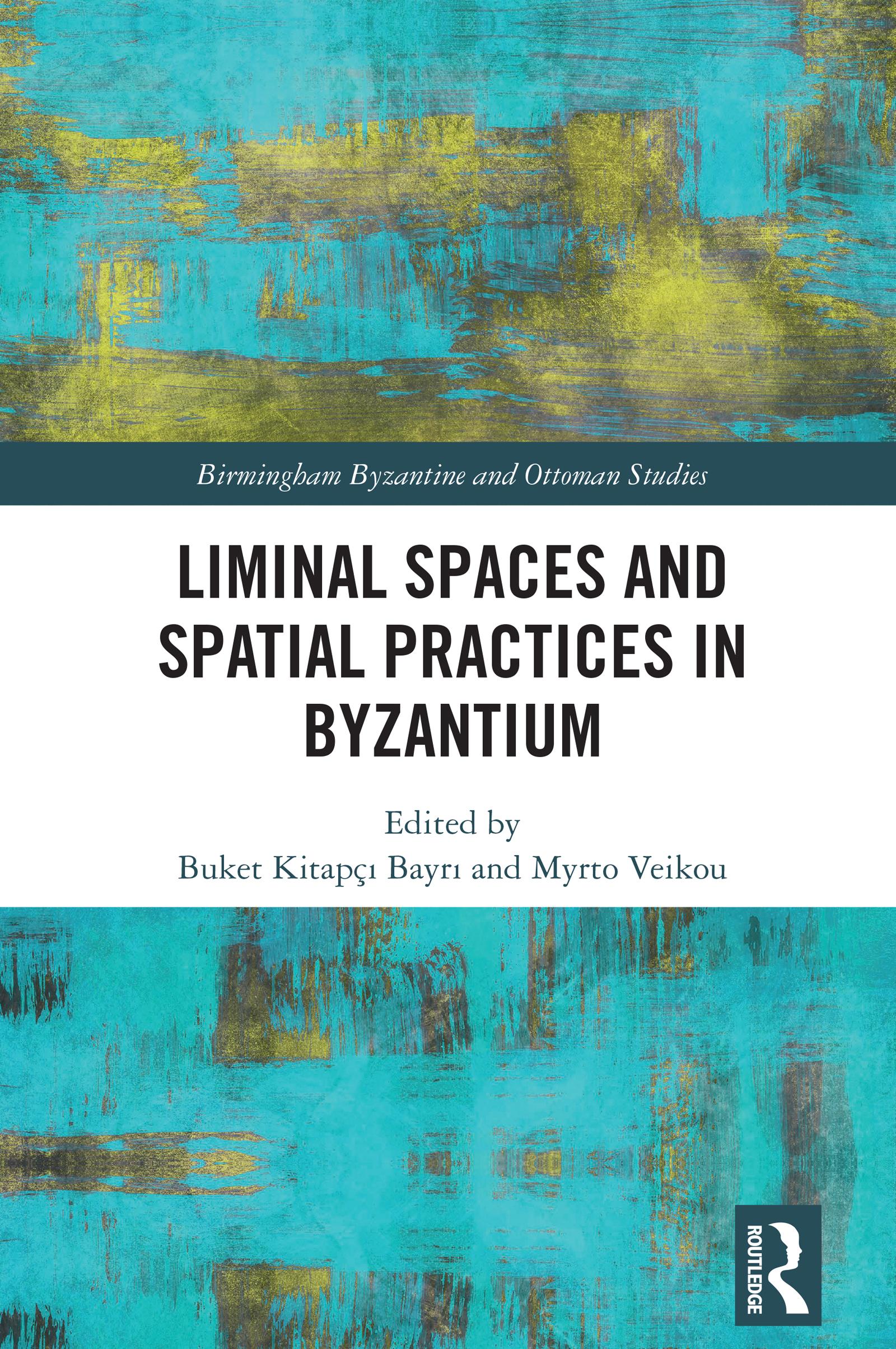
Liminal Spaces and Spatial Practices in Byzantium offers a novel twist, combining intra-/inter-disciplinary research across the humanities and social sciences by transforming two distinct disciplinary concepts (liminality from social anthropology and space from cultural geography) into methodological devices for historical investigation. The focus has been an investigation of conceptions of spatial liminality in the Byzantine world.
This book showcases alternatives to binary oppositions such as inside/outside, core/periphery, isolation/connectedness, stability/instability, known/unknown, earthly/heavenly, self/other, and good/bad through delineating liminality as an epistemological tool. In this volume, the authors were invited to offer an analysis of Byzantine spatial experiences (attested through material remains or texts) as a sort of working platform from which to assess in due course the presence of a liminal dimension in medieval spatiotemporal situations. They have sought to understand whether certain types of spaces such as rivers, deserts, islands, forests, mountains, houses, thresholds, gates, monasteries, lighthouses, and bridges accommodate–or even create–liminal situations in the eyes of the people experiencing them.
This book will appeal to students and scholars alike interested in Byzantine history and culture.
Płać wygodnie kartą, Klarną, Apple Pay lub Google Pay. Nie jesteś zadowolony? Zawsze masz 14-dniową gwarancję zwrotu pieniędzy. Więcej przeczytasz w naszych warunkach. Masz pytania? Napisz do nas na hello@memmo.org.
Memmo ułatwia naukę – gdziekolwiek jesteś na świecie. U nas znajdziesz podręczniki i sprytne narzędzia do nauki w jednym miejscu: streszczenia, quizy, podcasty i fiszki. A do tego Ted, Twój kumpel do nauki, który odpowie na wszystko, co Cię nurtuje. Ponad 50 000 studentów już tu się uczy – stworzone, byś uczył się szybciej i mniej stresował.