
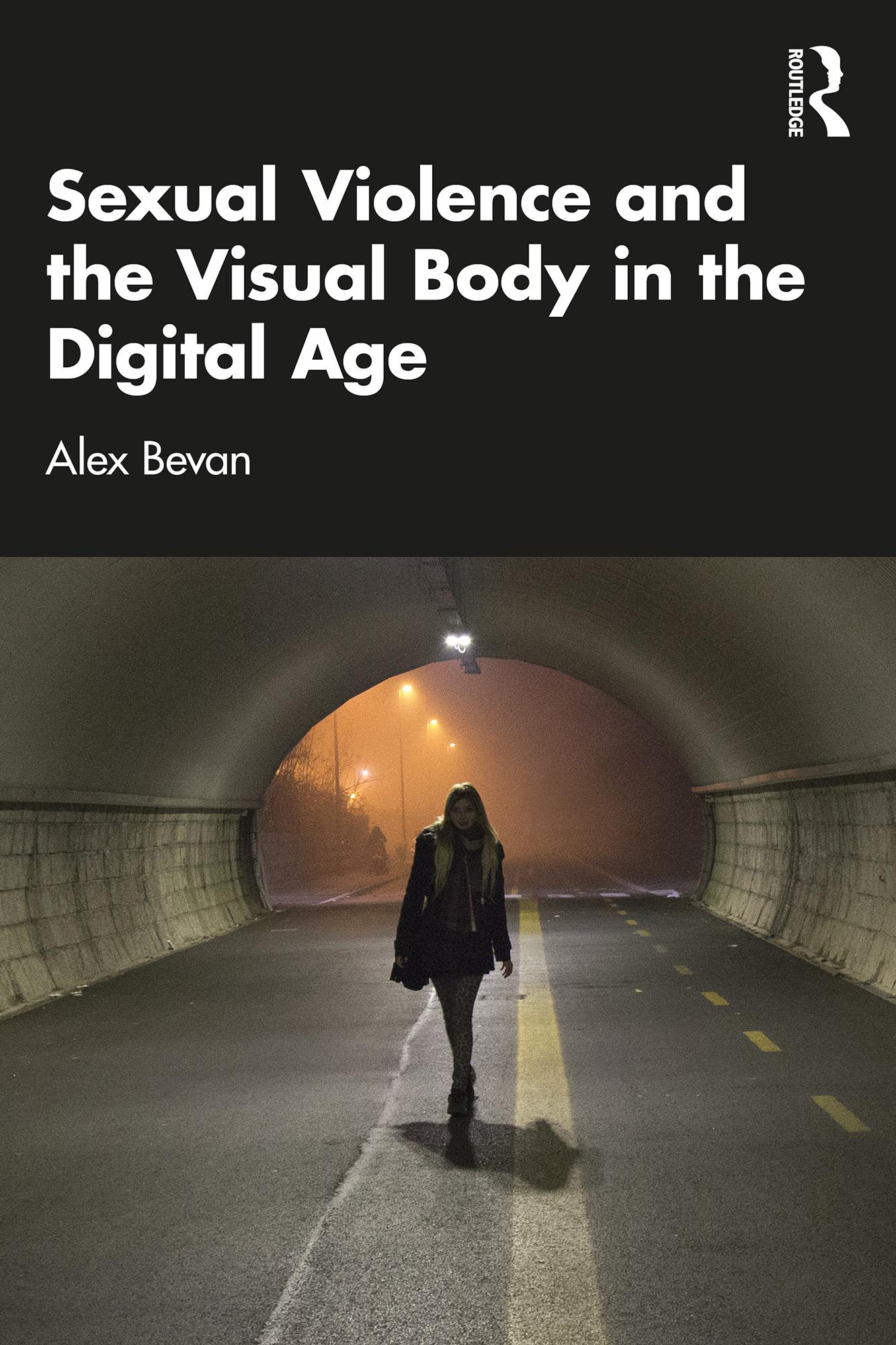
Why do representations of rape tend to look the same? Why do they frequently feature themes of media technology and surveillance? This book traces the role of surveillance technology in film and television depictions of rape in the 2000s. It shows how the stranger rape narrative is popularly used as a sense-making tool for the entanglement of the body, digital technology, and institutions of power. These films and television series interrogate the digital management of self-representation. In a cultural context defined by digitally galvanized feminist movements, a growing awareness of online gender violence, and a global movement aimed at shuttering these discussions, this book is even more pressing if we are to make sense of the relationship between offline and online forms of gender violence and the evolving cultural meaning of the rape narrative.
Płać wygodnie kartą, Klarną, Apple Pay lub Google Pay. Nie jesteś zadowolony? Zawsze masz 14-dniową gwarancję zwrotu pieniędzy. Więcej przeczytasz w naszych warunkach. Masz pytania? Napisz do nas na hello@memmo.org.
Memmo ułatwia naukę – gdziekolwiek jesteś na świecie. U nas znajdziesz podręczniki i sprytne narzędzia do nauki w jednym miejscu: streszczenia, quizy, podcasty i fiszki. A do tego Ted, Twój kumpel do nauki, który odpowie na wszystko, co Cię nurtuje. Ponad 50 000 studentów już tu się uczy – stworzone, byś uczył się szybciej i mniej stresował.