
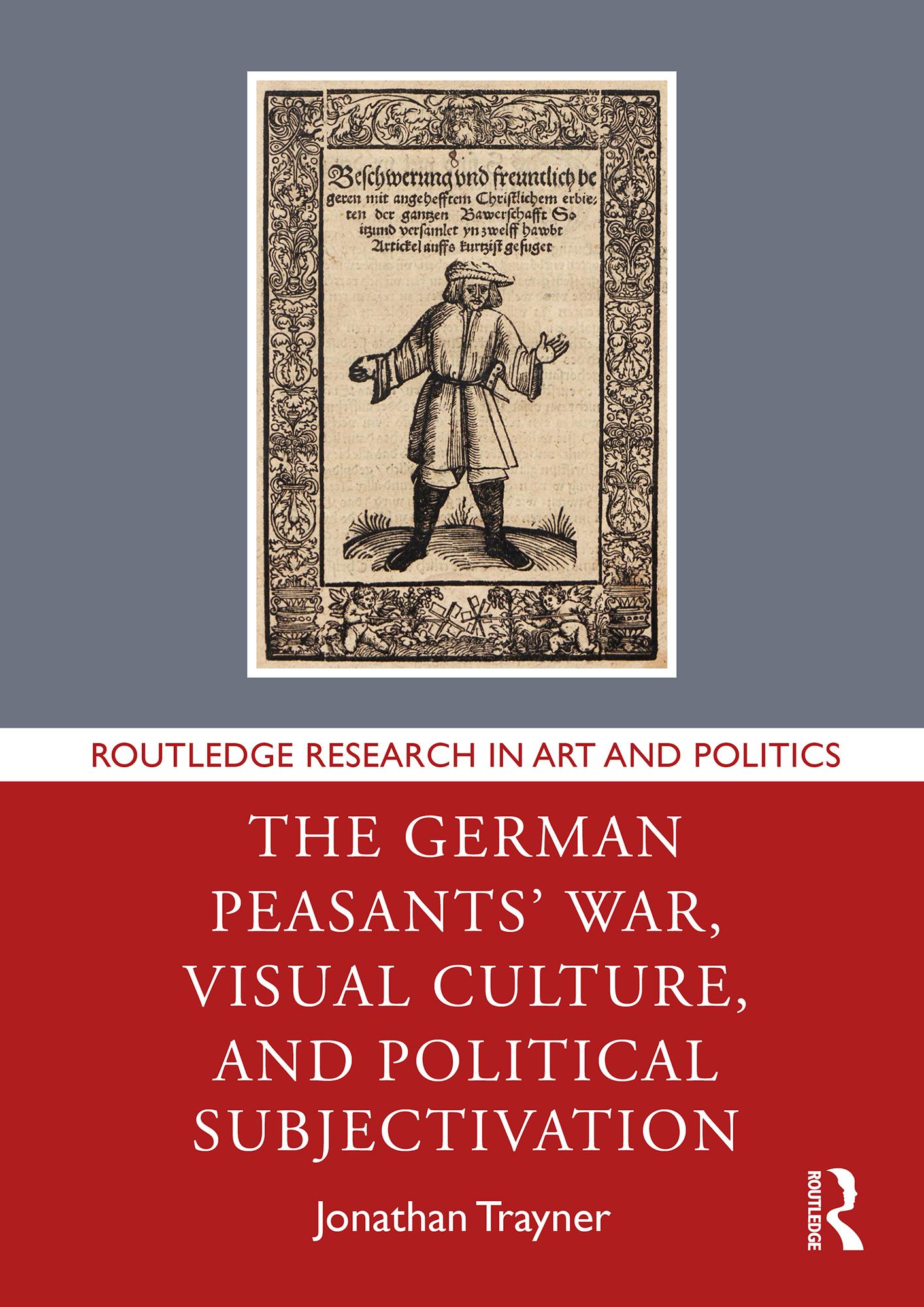
This study examines the visual productions of the German Peasants’ War – pamphlets, banners, and clothing – to argue for the disruptive and radical visual legacy in which hierarchies and modes of subjection were overturned.
Drawing on the author’s experience as a print maker and artist, the book offers a close and sympathetic analysis of the visual culture produced in this moment of war and revolt. Far from only being a matter of historical interest, these disruptive modes of visual production also resonate with contemporary debates about dissensus, populism, and political identity, especially in the work of Jacques Rancière. The refusal of these peasants (and mercenaries and some clergy) to remain in their place ruptured the visual field of power. It was also the repression of this popular eruption that was to shape conventional visual culture and politics as a reaction.
The book will be of interest to scholars working in art history, visual culture, medieval and early modern studies, and political history.
Płać wygodnie kartą, Klarną, Apple Pay lub Google Pay. Nie jesteś zadowolony? Zawsze masz 14-dniową gwarancję zwrotu pieniędzy. Więcej przeczytasz w naszych warunkach. Masz pytania? Napisz do nas na hello@memmo.org.
Memmo ułatwia naukę – gdziekolwiek jesteś na świecie. U nas znajdziesz podręczniki i sprytne narzędzia do nauki w jednym miejscu: streszczenia, quizy, podcasty i fiszki. A do tego Ted, Twój kumpel do nauki, który odpowie na wszystko, co Cię nurtuje. Ponad 50 000 studentów już tu się uczy – stworzone, byś uczył się szybciej i mniej stresował.