
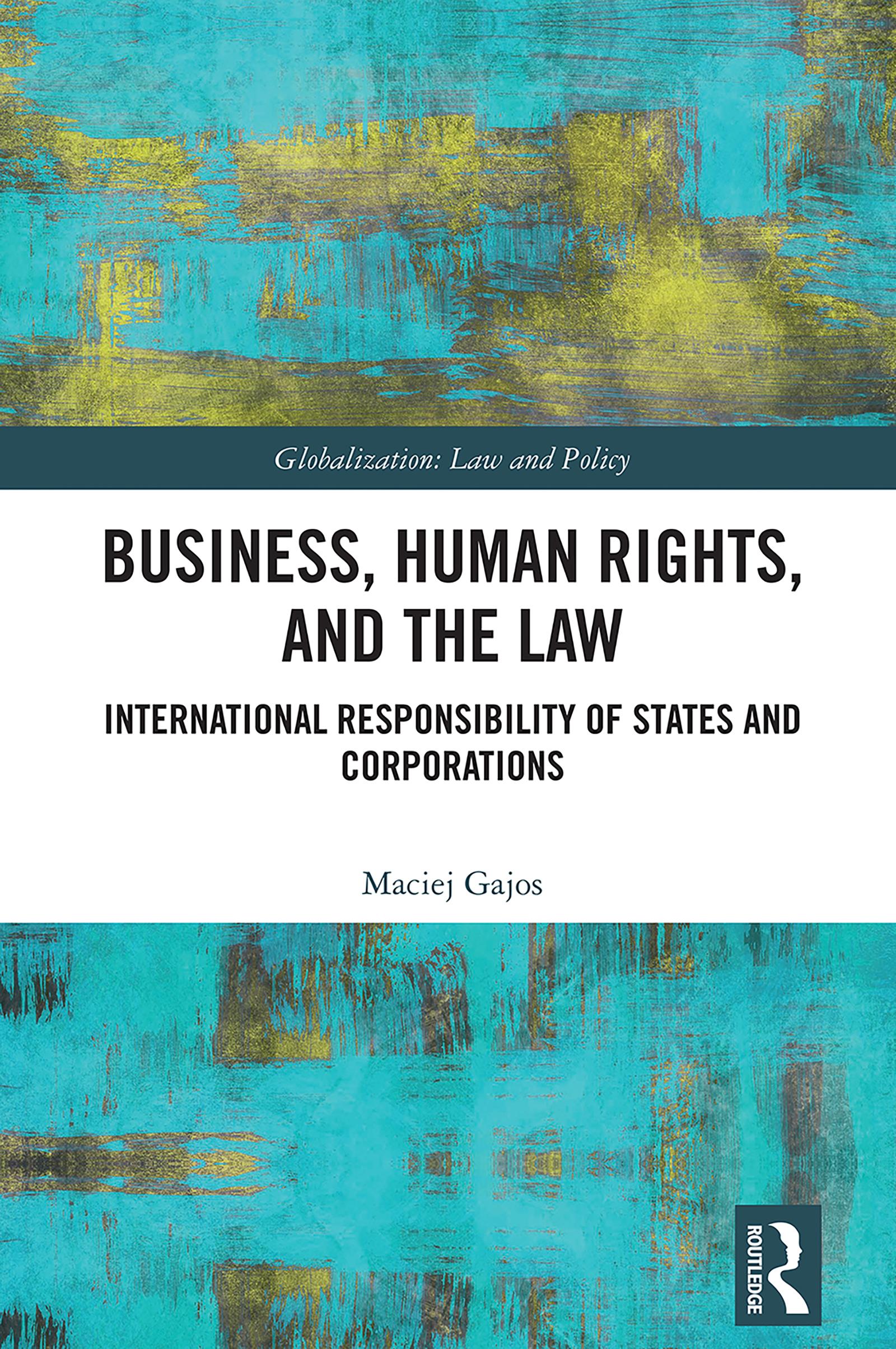
This book explores how the rules of international responsibility can be applied to cases of human rights violations involving multinational corporations. The work invites readers to reflect on why international law fails in the context of business-related human rights abuses and at the same time how its potential can be harnessed to restore its adequacy in relation to this issue. It proposes a model of international responsibility that seeks to close accountability gaps related to corporate activities. Since the model addresses such issues as who bears responsibility, for what, where it is determined, and by whom, as well as what its consequences are, it offers a holistic perspective on the problem of business-related human rights abuses. This approach translates into a comprehensive mapping of the relevant sources of norms that govern the conduct of actors contributing to abuses and the available grievance mechanisms. The book engages with the recent developments in the field, such as the adoption of mandatory human rights due diligence laws in a number of states and the EU, as well as the ongoing business and human rights treaty negotiating process at the UN level. It also offers an overview of salient cases in this area, before both international and domestic courts and tribunals. The study will be of interest to academics, researchers and policy-makers working in the areas of international human rights law, business and human rights, and law and society.
Płać wygodnie kartą, Klarną, Apple Pay lub Google Pay. Nie jesteś zadowolony? Zawsze masz 14-dniową gwarancję zwrotu pieniędzy. Więcej przeczytasz w naszych warunkach. Masz pytania? Napisz do nas na hello@memmo.org.
Memmo ułatwia naukę – gdziekolwiek jesteś na świecie. U nas znajdziesz podręczniki i sprytne narzędzia do nauki w jednym miejscu: streszczenia, quizy, podcasty i fiszki. A do tego Ted, Twój kumpel do nauki, który odpowie na wszystko, co Cię nurtuje. Ponad 50 000 studentów już tu się uczy – stworzone, byś uczył się szybciej i mniej stresował.