
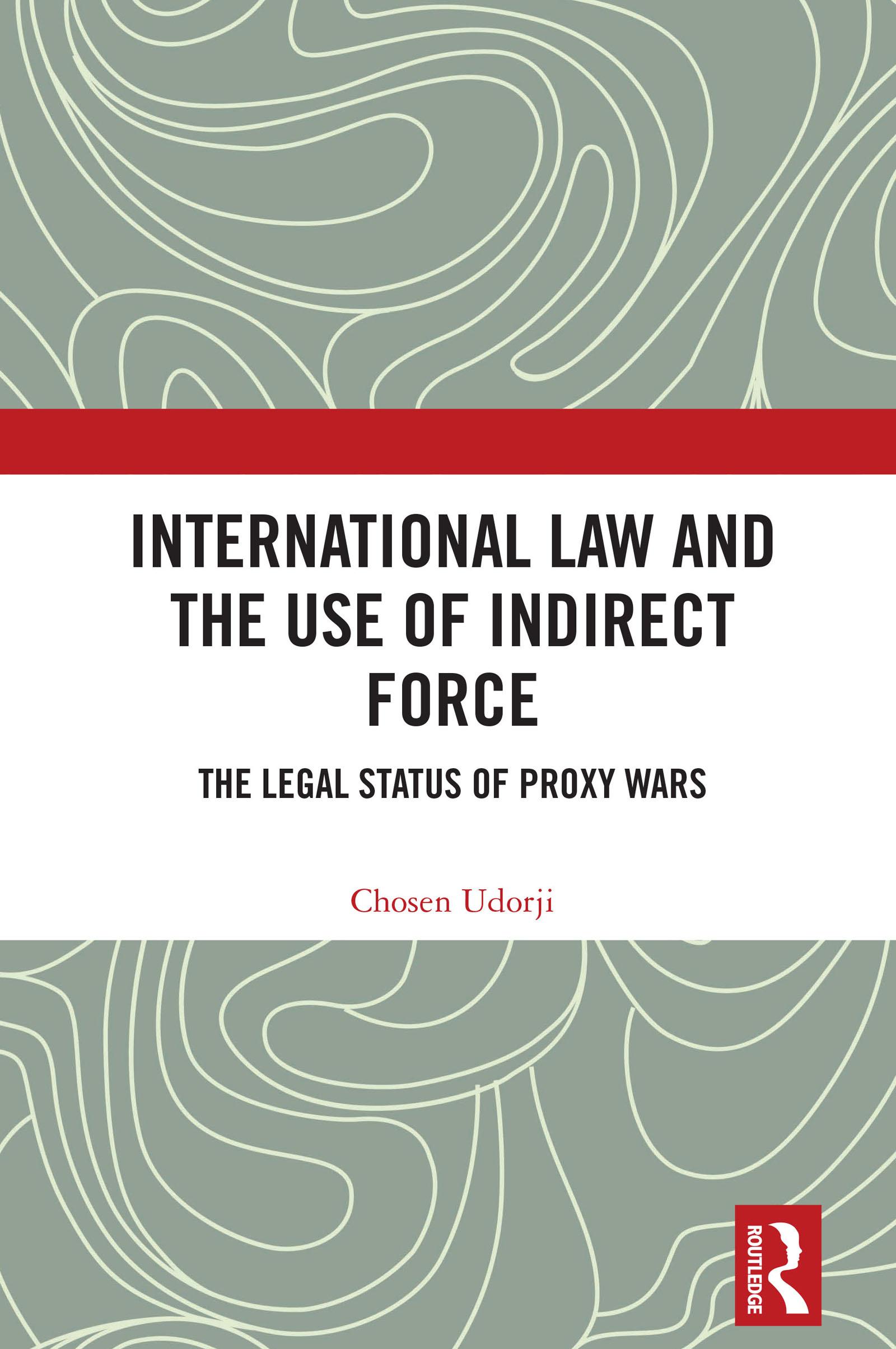
This book critically examines the use of indirect force by states and the extent of its prohibition under international law. The indirect use of force by states – what are colloquially referred to as ‘proxy wars’ – has been steadily rising.
With the emergence of new modes of asymmetric warfare, the state's use of indirect force is gradually moving away from the covert style of the Cold War era to a more overt form. Despite such a shift, this state practice has received very little critical scrutiny, and as a result, its position within the existing international legal framework remains unclear. Viewing this practice through doctrinal, critical, and TWAIL theoretical lenses, this book argues that the current international law and jurisprudence on the meaning and scope of the use of indirect force are fundamentally inadequate and inadvertently suited to favour powerful states. Stressing the inherent weakness of positivist legal frameworks to address the tension between state sovereignty and state power, the book offers new tools for reconceptualising the meaning and scope of the prohibition of indirect force under international law.
International Law and the use of Indirect Force will appeal to scholars and students with relevant interests in international law, international relations and politics, as well as practitioners working in conflict prevention and management
Płać wygodnie kartą, Klarną, Apple Pay lub Google Pay. Nie jesteś zadowolony? Zawsze masz 14-dniową gwarancję zwrotu pieniędzy. Więcej przeczytasz w naszych warunkach. Masz pytania? Napisz do nas na hello@memmo.org.
Memmo ułatwia naukę – gdziekolwiek jesteś na świecie. U nas znajdziesz podręczniki i sprytne narzędzia do nauki w jednym miejscu: streszczenia, quizy, podcasty i fiszki. A do tego Ted, Twój kumpel do nauki, który odpowie na wszystko, co Cię nurtuje. Ponad 50 000 studentów już tu się uczy – stworzone, byś uczył się szybciej i mniej stresował.