
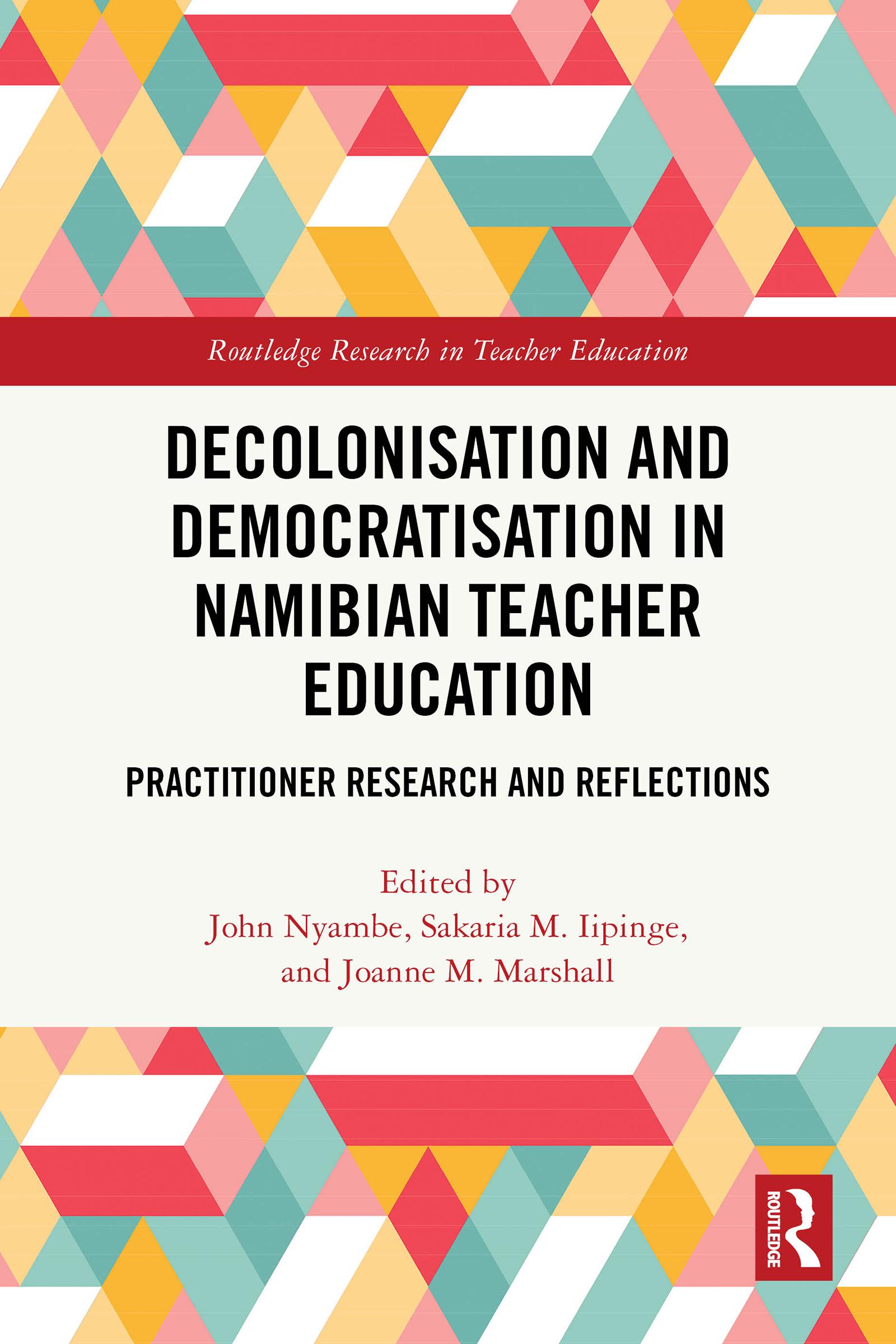
Building on the 1999 work of Kenneth Zeichner and Lars Dahlström, this timely volume provides first-hand accounts as well as both empirical and theoretical case studies on how teacher education is being operationalised in post-colonial Namibia, working to decolonise and democratise the Namibian educational system at all levels.
Chapters are comprehensive in approach, offering accounts of the decolonisation and democratisation of teacher education during the period immediately after the country’s political independence from apartheid South Africa; contemporary issues of quality in terms of curriculum, pedagogy, and epistemology; and how to cultivate sustainable and lasting resilience to mitigate further disruptive events such as the pandemic. Ultimately recognising Namibia’s role as an exemplar for other post-colonial countries, given its status as a stable post-colonial democracy, the book provides a blueprint for how to develop education policy and curriculum for a truly equitable education system.
The book will appeal to scholars, researchers, and post-graduate students in the fields of teacher education, education and development, and African education studies more generally. Policy makers and curriculum designers may also find the volume of use. The book will have particular appeal in Namibia and South Africa, but also across the global South and amongst other post-colonial countries.
Płać wygodnie kartą, Klarną, Apple Pay lub Google Pay. Nie jesteś zadowolony? Zawsze masz 14-dniową gwarancję zwrotu pieniędzy. Więcej przeczytasz w naszych warunkach. Masz pytania? Napisz do nas na hello@memmo.org.
Memmo ułatwia naukę – gdziekolwiek jesteś na świecie. U nas znajdziesz podręczniki i sprytne narzędzia do nauki w jednym miejscu: streszczenia, quizy, podcasty i fiszki. A do tego Ted, Twój kumpel do nauki, który odpowie na wszystko, co Cię nurtuje. Ponad 50 000 studentów już tu się uczy – stworzone, byś uczył się szybciej i mniej stresował.