
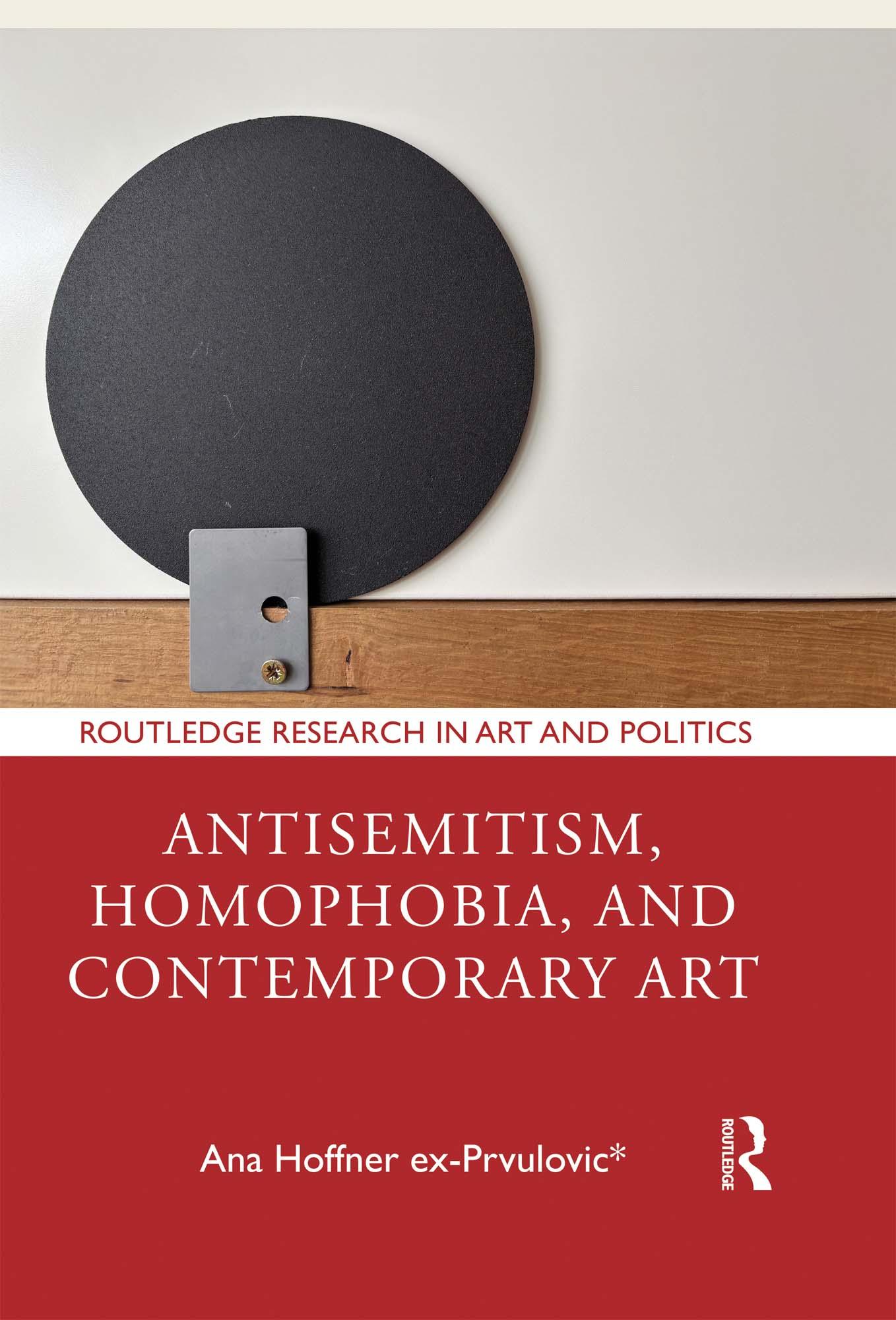
This book analyzes synchronization as a symptom of the contemporary art world.
Acting as a tool within present-day social, economic, and political systems, synchronization assigns individuals to predetermined forms of representation. At its core, this book challenges normative synchronization concepts as projections of a unity of bodies and voices, past and present, self and environment. The text offers a non-linear art historical narrative of those practices that have consistently tried to "desynchronize" from antisemitism and homophobia. Through thoughtful analysis of art practices from Claude Cahun and Marcel Moore, Zanele Muholi, Anna Daučíková, Sharon Hayes, Glenn Ligon, and Chantal Akerman, the author seeks to address the current wish to create contemporaneity for all—often through violence against those perceived as not belonging to it.
This book is ideal for researchers and scholars in Art History, Philosophy, Queer Theory, Gender Studies, and Sociology.
Płać wygodnie kartą, Klarną, Apple Pay lub Google Pay. Nie jesteś zadowolony? Zawsze masz 14-dniową gwarancję zwrotu pieniędzy. Więcej przeczytasz w naszych warunkach. Masz pytania? Napisz do nas na hello@memmo.org.
Memmo ułatwia naukę – gdziekolwiek jesteś na świecie. U nas znajdziesz podręczniki i sprytne narzędzia do nauki w jednym miejscu: streszczenia, quizy, podcasty i fiszki. A do tego Ted, Twój kumpel do nauki, który odpowie na wszystko, co Cię nurtuje. Ponad 50 000 studentów już tu się uczy – stworzone, byś uczył się szybciej i mniej stresował.