
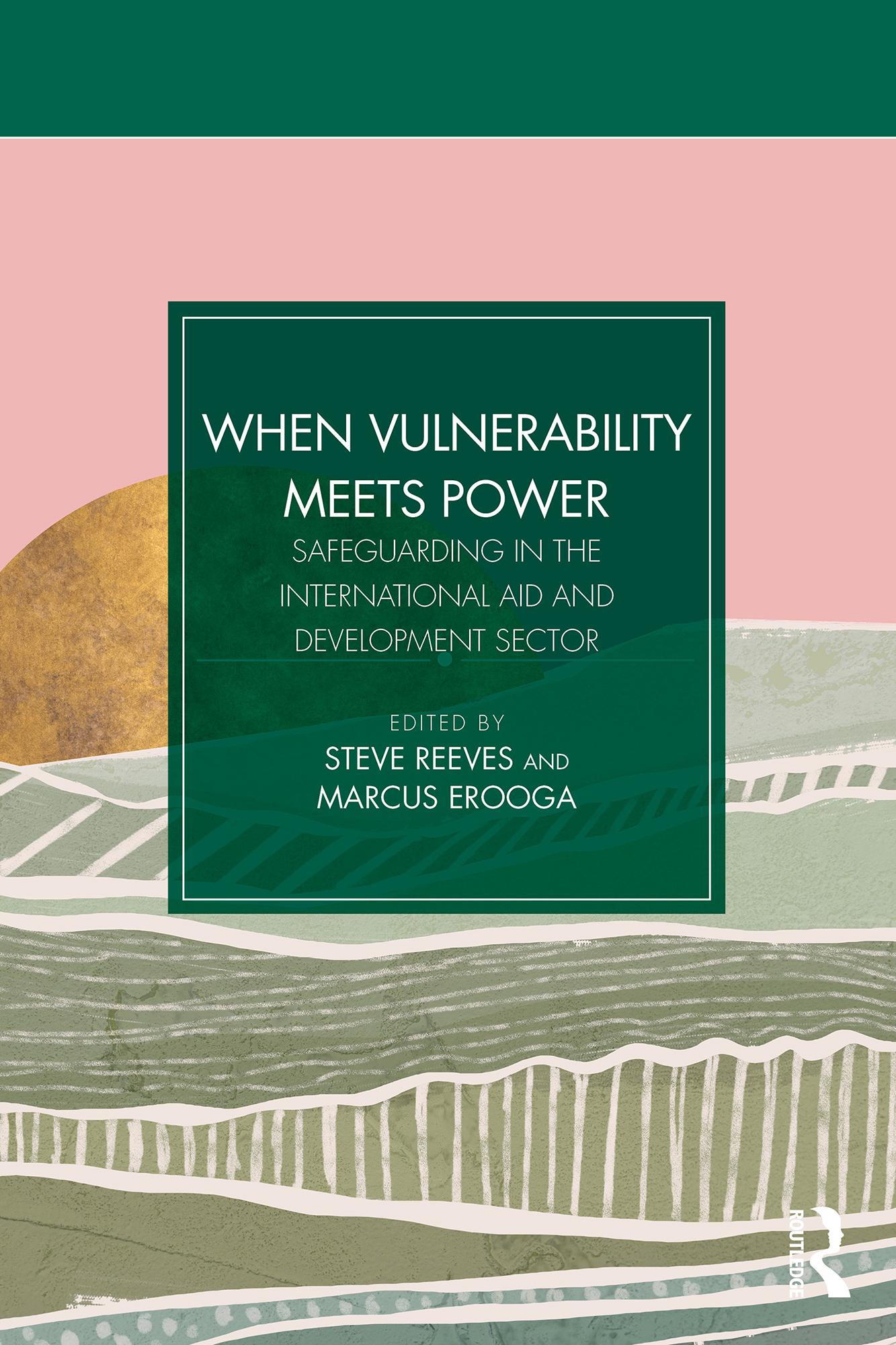
Recent crises relating to non-governmental aid organisations have brought into sharp focus the need for a greater understanding of the safeguarding challenges which the international aid and development sector faces, and how to respond to them in a consistent, systematic and effective way. This essential safeguarding guide provides insight to operational, organisational and cultural challenges within the international aid and development sector.
The book brings together carefully chosen key professionals who have extensive operational experience of addressing and responding to these issues. In a highly challenging environment, with multiple competing demands, this book is a clearly focused and accessible resource. It sets out what those leading in the field need to be aware of, what responses they need to make and how to maintain necessary change in the long term. In relation to each key issue, through its range of chapters, the book explores what the challenge is, what is current or suggested best practice and what future developments are needed.
It provides the sector with an accessible, authoritative and ultimately essential handbook for all those working in the international aid and development sector, whether they are practitioners, safeguarding specialists, senior leaders in governance roles or regulators. The emphasis is on facilitating sector-wide change, embedding best practice and encouraging work that effectively ensures the safety and wellbeing of the world’s most vulnerable people.
Płać wygodnie kartą, Klarną, Apple Pay lub Google Pay. Nie jesteś zadowolony? Zawsze masz 14-dniową gwarancję zwrotu pieniędzy. Więcej przeczytasz w naszych warunkach. Masz pytania? Napisz do nas na hello@memmo.org.
Memmo ułatwia naukę – gdziekolwiek jesteś na świecie. U nas znajdziesz podręczniki i sprytne narzędzia do nauki w jednym miejscu: streszczenia, quizy, podcasty i fiszki. A do tego Ted, Twój kumpel do nauki, który odpowie na wszystko, co Cię nurtuje. Ponad 50 000 studentów już tu się uczy – stworzone, byś uczył się szybciej i mniej stresował.