
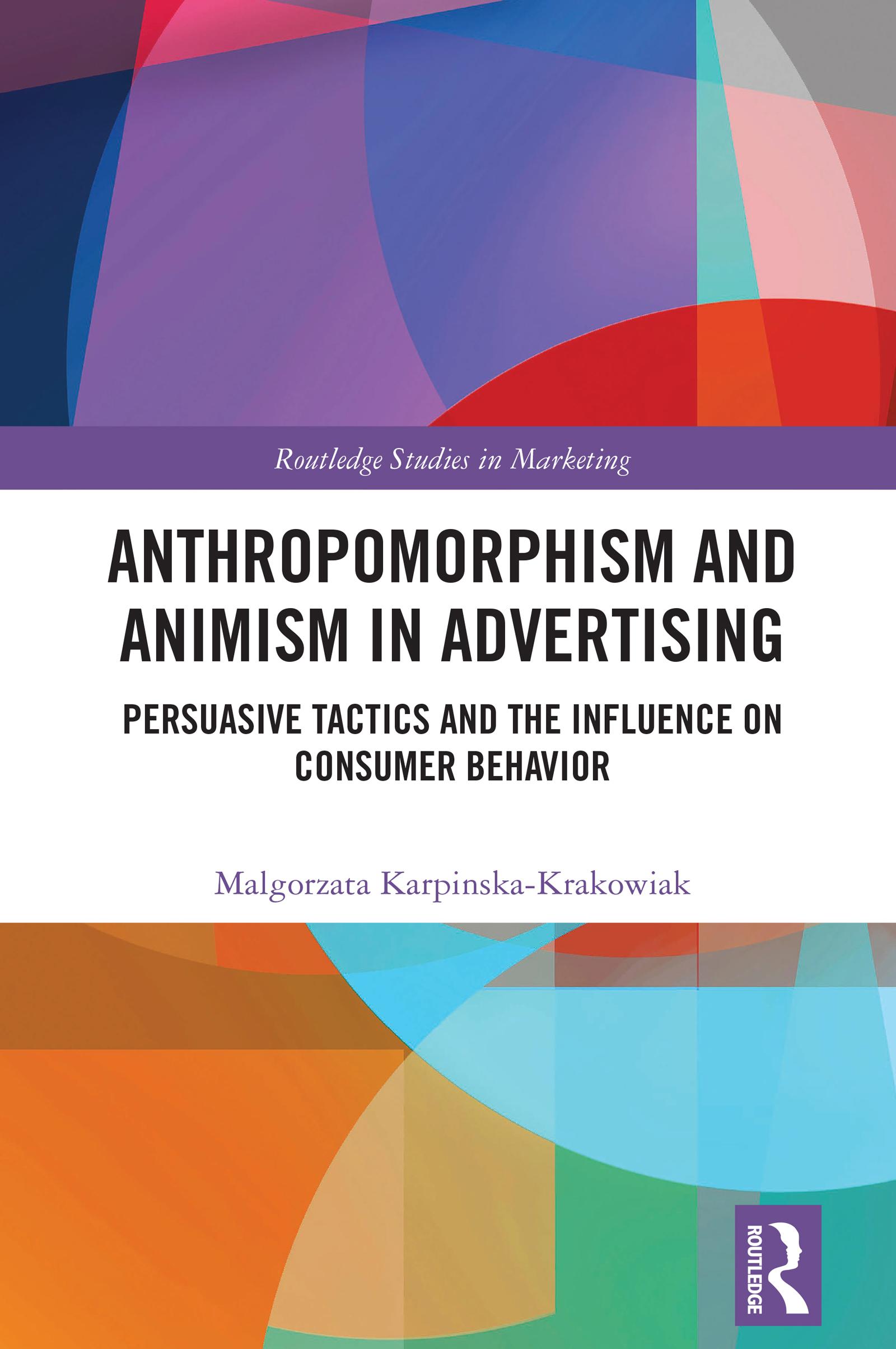
Traditionally, advertisers have assumed that anthropomorphism (seeing a product as human) and animism (seeing a product as alive) are identical processes, triggering the same consumer responses. This book shows that this assumption is incorrect, often leading to misinterpretations in scholarly studies. Through a series of experiments, it reveals that animism and anthropomorphism are two distinct processes with different causes, consequences and implications.
While anthropomorphism is well-studied, animism has been largely overlooked. This book is the first to systematically differentiate the two, providing clear definitions and empirical evidence. It identifies specific advertising tactics that trigger animism versus anthropomorphism and examines their persuasive impact. It explores when and why consumers are more likely to animate or anthropomorphize products. These insights help readers determine which process is more effective for different contexts, services and product categories. Additionally, the book includes a comprehensive review of existing empirical studies on anthropomorphism, offering a summary of key findings, manipulation techniques and moderating factors. This resource allows readers to recognize broader patterns in past research and apply them to their work.
This novel book offers valuable new insights for scholars across advertising, marketing and consumer psychology in particular.
Płać wygodnie kartą, Klarną, Apple Pay lub Google Pay. Nie jesteś zadowolony? Zawsze masz 14-dniową gwarancję zwrotu pieniędzy. Więcej przeczytasz w naszych warunkach. Masz pytania? Napisz do nas na hello@memmo.org.
Memmo ułatwia naukę – gdziekolwiek jesteś na świecie. U nas znajdziesz podręczniki i sprytne narzędzia do nauki w jednym miejscu: streszczenia, quizy, podcasty i fiszki. A do tego Ted, Twój kumpel do nauki, który odpowie na wszystko, co Cię nurtuje. Ponad 50 000 studentów już tu się uczy – stworzone, byś uczył się szybciej i mniej stresował.