
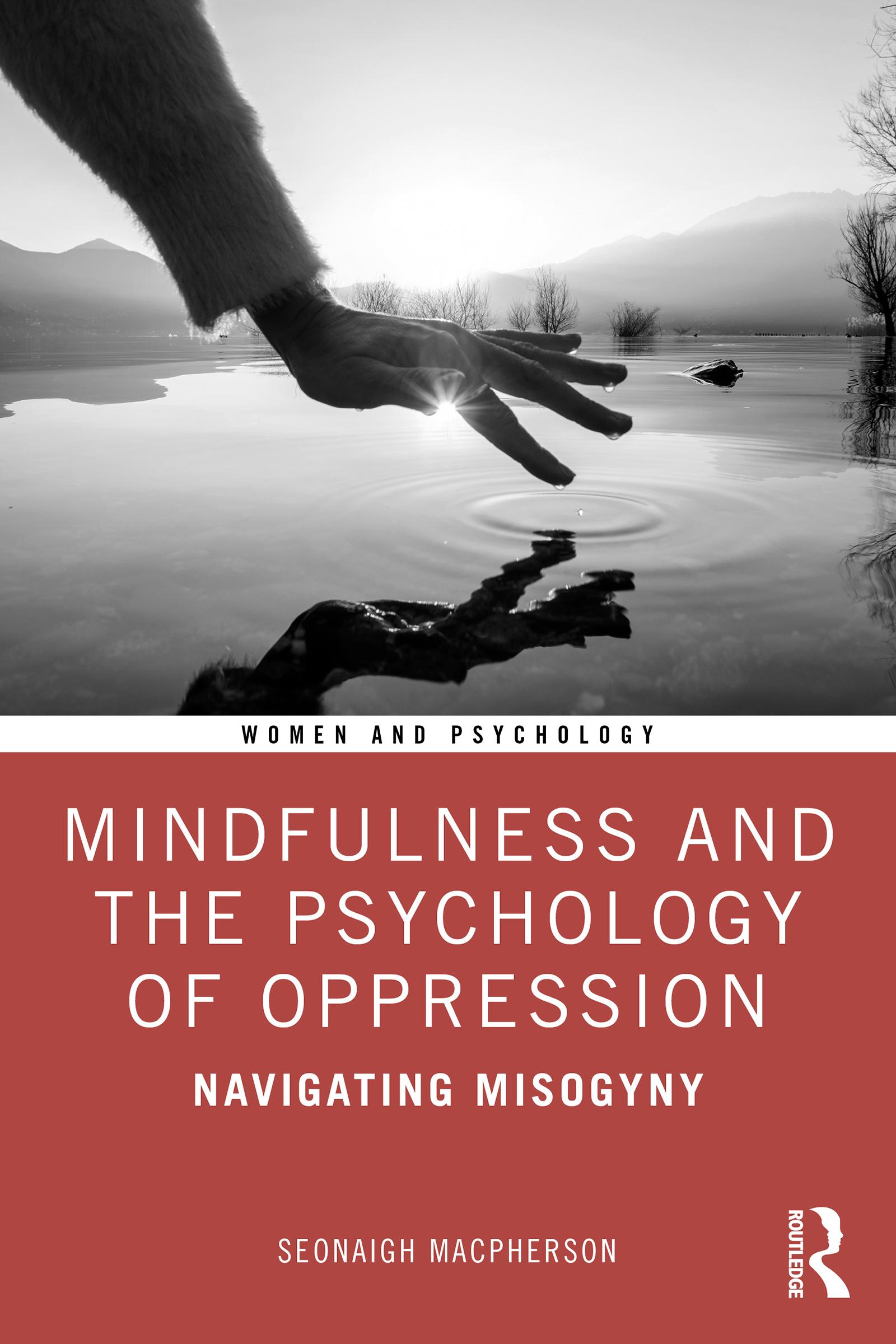
This book offers a comprehensive, evidence-based, and engaging inquiry into women’s oppression and its mitigation through contemplative practices like meditation. It combines scholarly depth with embodied experiences and practices that interweaves individual, interpersonal, and public relationships.
Locating oppression as an internalized psychological response to toxic social messaging, the author distils research from multiple sources - cognitive science, philosophy, psychology, feminism, and Buddhist psychology - to consider how mindfulness might be deployed to help women navigate misogyny. The book draws on cross-cultural data from historical and contemporary sources, supplemented with accounts from the author’s own life to illustrate misogyny through cases ranging in severity from overt violence to covert micro-aggressions and gaslighting. Introducing new theories and insights on the role of emotions and consciousness in oppression, the author proposes an anti-oppressive mindfulness agenda to help women navigate misogyny and recover from the aftermath of oppression.
Mapping out a vision for how meditation might become a more effective path for women’s liberation and wellbeing, this book is an invaluable resource for educators, social workers, clinicians, and contemplative practitioners alike. It will also be highly relevant reading for students, educators, clinicians, and researchers of psychology, mindfulness, and gender studies.
Płać wygodnie kartą, Klarną, Apple Pay lub Google Pay. Nie jesteś zadowolony? Zawsze masz 14-dniową gwarancję zwrotu pieniędzy. Więcej przeczytasz w naszych warunkach. Masz pytania? Napisz do nas na hello@memmo.org.
Memmo ułatwia naukę – gdziekolwiek jesteś na świecie. U nas znajdziesz podręczniki i sprytne narzędzia do nauki w jednym miejscu: streszczenia, quizy, podcasty i fiszki. A do tego Ted, Twój kumpel do nauki, który odpowie na wszystko, co Cię nurtuje. Ponad 50 000 studentów już tu się uczy – stworzone, byś uczył się szybciej i mniej stresował.