
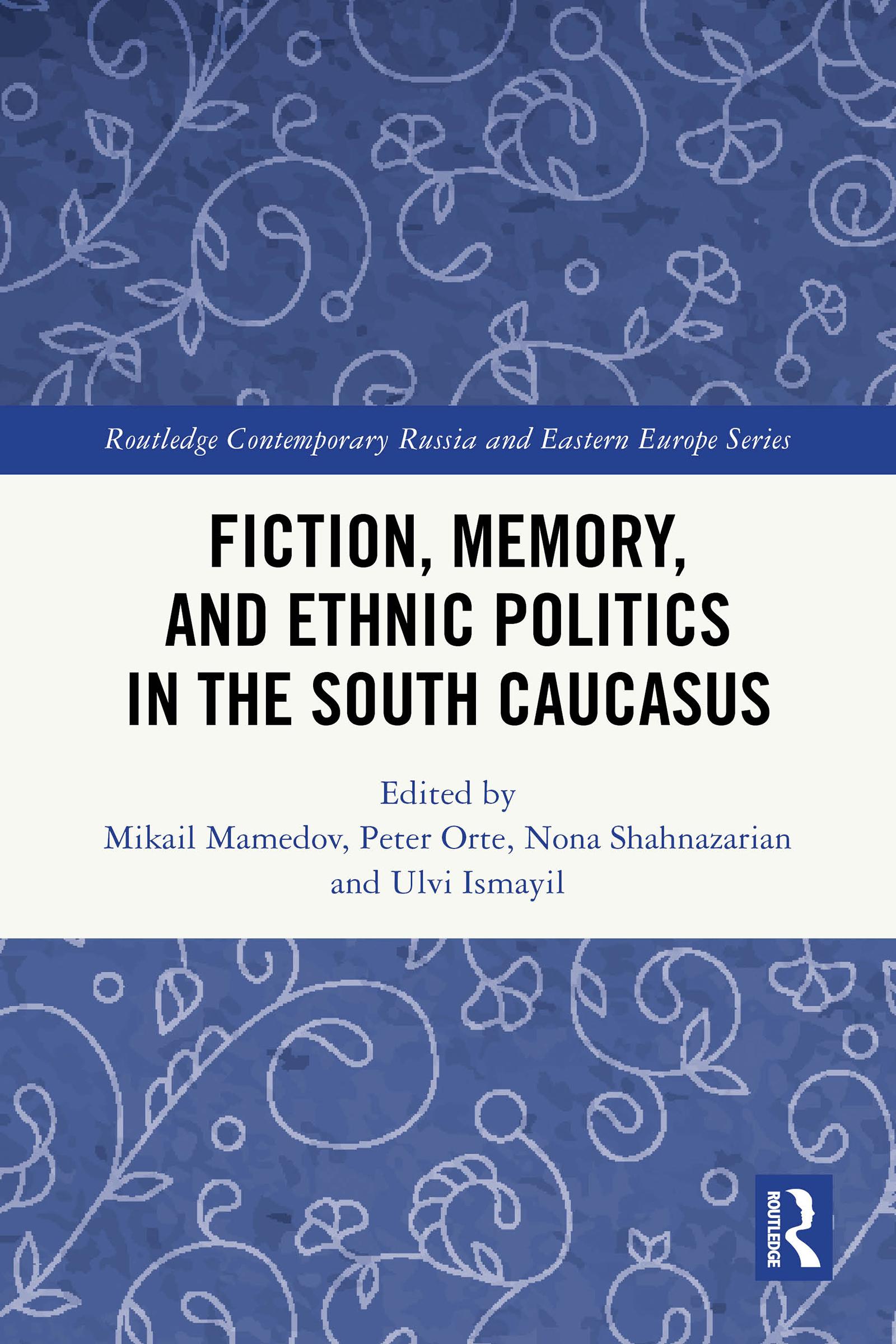
The book explores the aftermath of the disintegration of the Soviet Union and the effects of war and nationalism in the South Caucasus. While the Soviet Union’s dissolution seemed to promise democracy and liberalization, the rise of nationalist movements in Armenia and Azerbaijan led to those countries becoming undemocratic monoethnic states, which ethnically cleansed their largest minorities.
During the violence of the first stage of the Karabakh War (1992–1994), Armenians were expelled from Azerbaijan, and Azerbaijanis were expelled from Armenia. The persistence of this violent conflict through the second (2020) and third (2023) stages has led to competing, incompatible national narratives and an entrenched imagination of the other as the enemy. Explaining these events’ historical context by tracing them back to specific Soviet and Tsarist policies, the contributors of this volume examine the impact of the Karabakh conflict on ordinary people’s lives in Armenia and Azerbaijan by analyzing fiction, film, and other forms of public memory. Ultimately, they show how “eternal enmity” is a myth and point to potential solutions to the conflict.
This study will be useful to students and scholars of Soviet and Post-Soviet History, Nationalism, Empire, and Conflict Studies.
Płać wygodnie kartą, Klarną, Apple Pay lub Google Pay. Nie jesteś zadowolony? Zawsze masz 14-dniową gwarancję zwrotu pieniędzy. Więcej przeczytasz w naszych warunkach. Masz pytania? Napisz do nas na hello@memmo.org.
Memmo ułatwia naukę – gdziekolwiek jesteś na świecie. U nas znajdziesz podręczniki i sprytne narzędzia do nauki w jednym miejscu: streszczenia, quizy, podcasty i fiszki. A do tego Ted, Twój kumpel do nauki, który odpowie na wszystko, co Cię nurtuje. Ponad 50 000 studentów już tu się uczy – stworzone, byś uczył się szybciej i mniej stresował.