
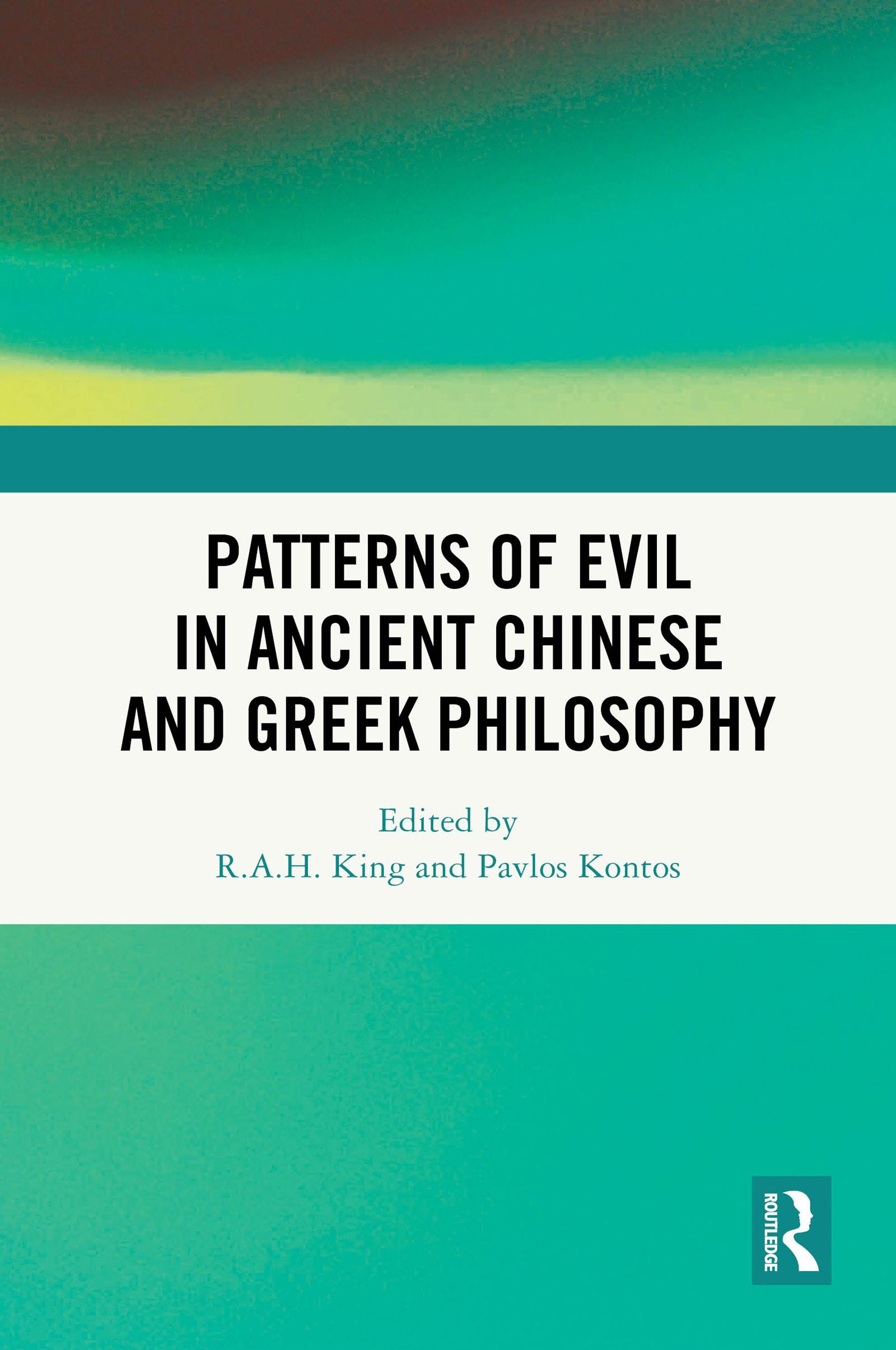
The roots of evil are often held to be Biblical, but philosophers in ancient China and Greece were thoroughly conversant with both the phenomena and the languages of evil. This volume provides a comparative examination of patterns of evil in ancient Chinese and Greek philosophy.
With no genealogical connections to rely on, the comparativist must establish a framework to connect these traditions. This volume utilizes the notion of "patterns" to address worries of methodological and ethical incommensurability, and to show what this means for the practice of comparative philosophy. In the case of evil, this methodology requires diving deep into the linguistic and political murk where evil lurks, with its deep roots in human dispositions for experience and action. The nine chapters are arranged in two parts. Those of Part I are written by scholars with a strong background in comparative philosophy and offer a substantial analysis of how both traditions respond to a specific aspect of the phenomenology of evil. Those of Part II are “twinned” chapters, that is, chapters that discuss similar topics in close dialogue with one another, but each does it from within either of these traditions. The volume is concluded with a reflection on the varieties of comparative strategies employed in the nine chapters.
Patterns of Evil in Ancient Chinese and Greek Philosophy will appeal to scholars and graduate students interested in comparative philosophy, ancient Greek philosophy, early Chinese philosophy, and the problem of evil quite generally.
Płać wygodnie kartą, Klarną, Apple Pay lub Google Pay. Nie jesteś zadowolony? Zawsze masz 14-dniową gwarancję zwrotu pieniędzy. Więcej przeczytasz w naszych warunkach. Masz pytania? Napisz do nas na hello@memmo.org.
Memmo ułatwia naukę – gdziekolwiek jesteś na świecie. U nas znajdziesz podręczniki i sprytne narzędzia do nauki w jednym miejscu: streszczenia, quizy, podcasty i fiszki. A do tego Ted, Twój kumpel do nauki, który odpowie na wszystko, co Cię nurtuje. Ponad 50 000 studentów już tu się uczy – stworzone, byś uczył się szybciej i mniej stresował.