
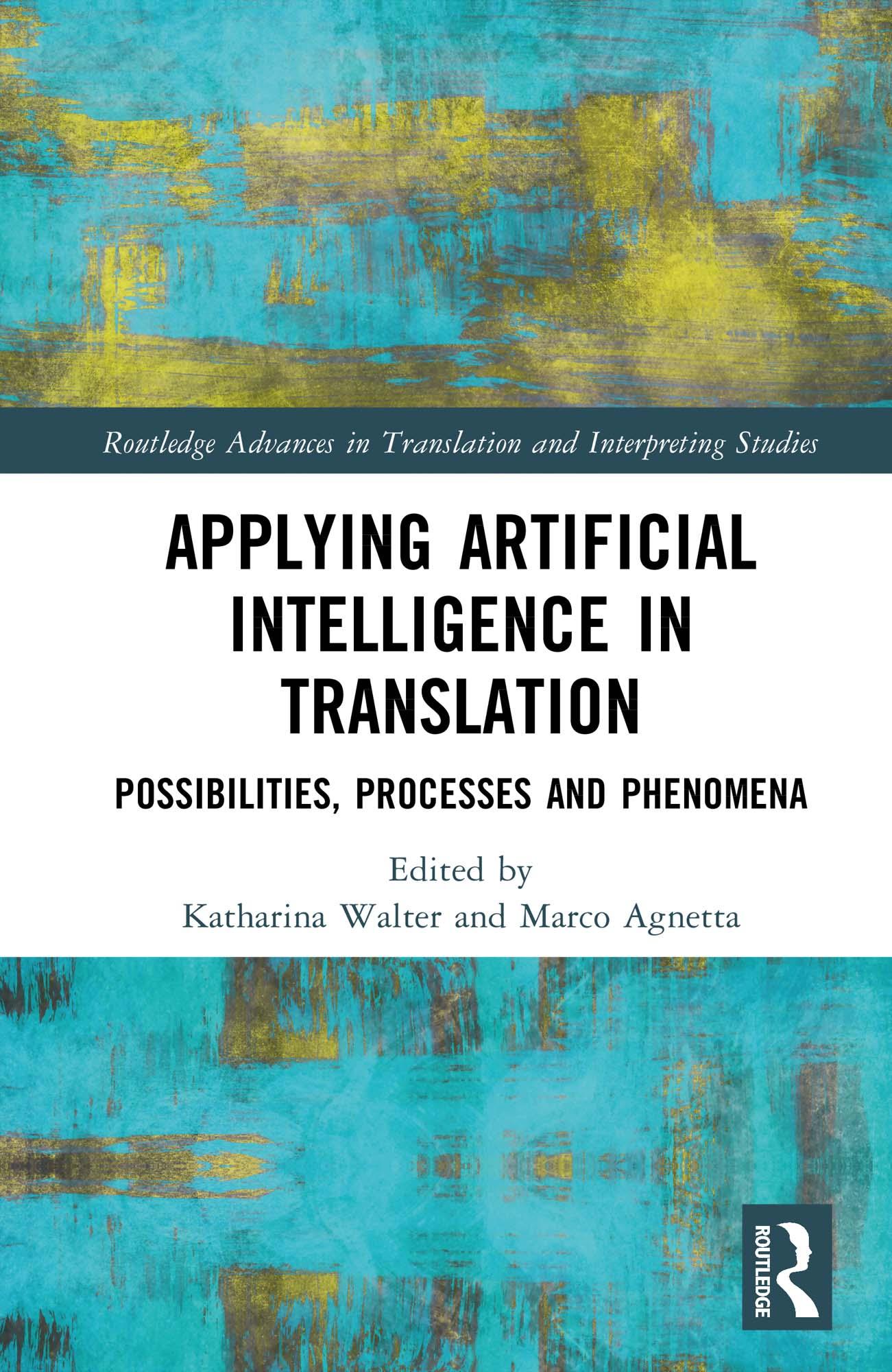
This collection critically examines the opportunities and challenges associated with the use of AI-based tools in translation, which have rapidly transformed the language industry in recent years.
This volume is divided into three sections that explore the use of AI-based tools in specific domains or on specific phenomena. While the first section addresses the impact of AI-enhanced translation on both workflows and outputs from the lens of creativity and idiomaticity, the second section examines key questions concerning the use of AI-based translation tools in various domains from technology to tourism. Contributions in the third section analyze AI-induced changes in the areas of media accessibility and journalism, as well as taking a critical look at evolving job perspectives and job profiles within the language industry. Taken together, the chapters in this volume envisage sustainable forms of interaction between humans and machines that put humans at the center of AI-induced technological changes.
This book will be of interest to students and scholars in translation studies, particularly those working in translation technology, audiovisual translation, and literary translation, as well as practicing translators.
Płać wygodnie kartą, Klarną, Apple Pay lub Google Pay. Nie jesteś zadowolony? Zawsze masz 14-dniową gwarancję zwrotu pieniędzy. Więcej przeczytasz w naszych warunkach. Masz pytania? Napisz do nas na hello@memmo.org.
Memmo ułatwia naukę – gdziekolwiek jesteś na świecie. U nas znajdziesz podręczniki i sprytne narzędzia do nauki w jednym miejscu: streszczenia, quizy, podcasty i fiszki. A do tego Ted, Twój kumpel do nauki, który odpowie na wszystko, co Cię nurtuje. Ponad 50 000 studentów już tu się uczy – stworzone, byś uczył się szybciej i mniej stresował.