
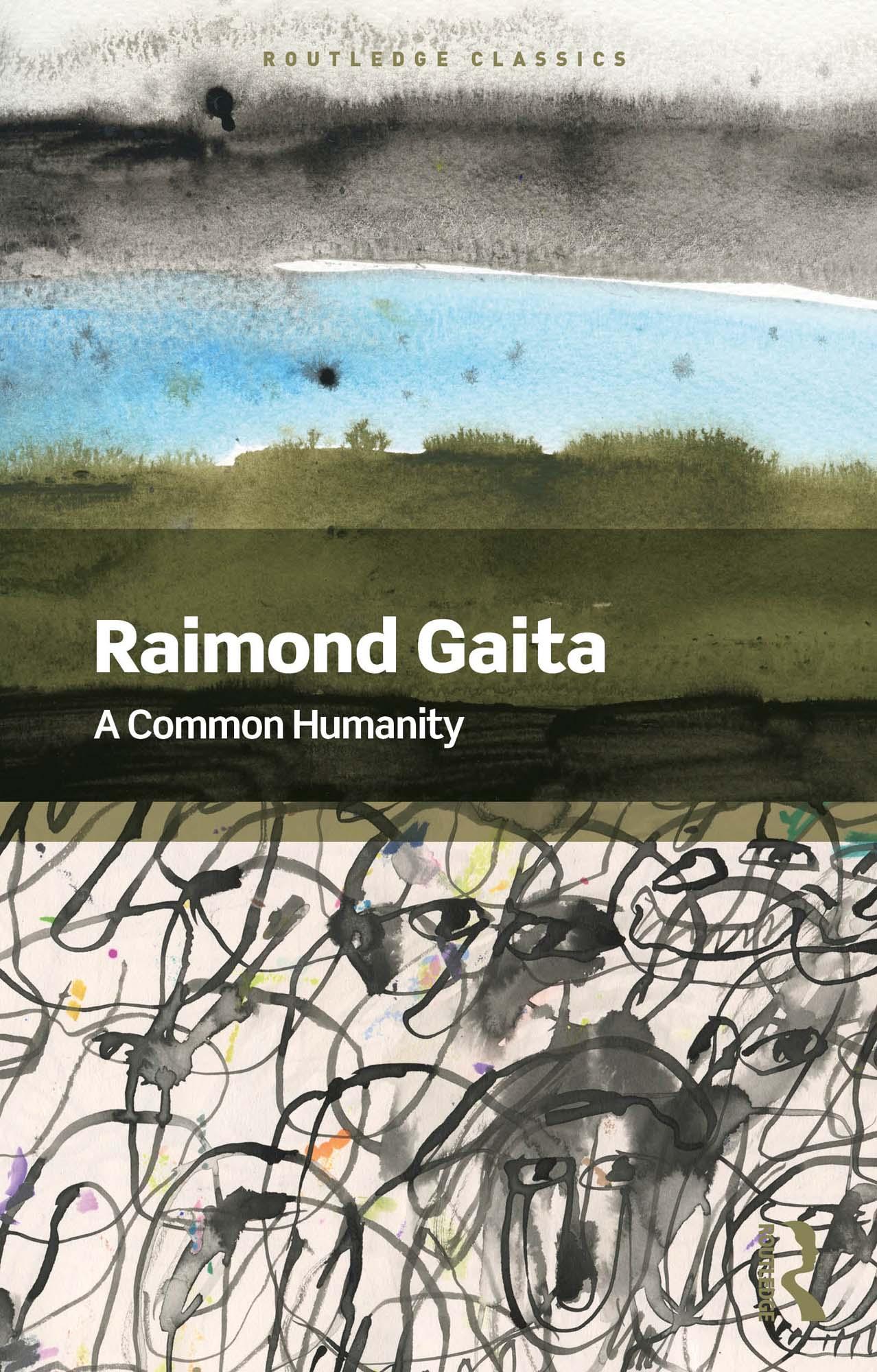
Holocaust denial, racism, genocide of indigenous peoples and the long-lasting harms inflicted by colonialism pose deep challenges to any idea of a common humanity. How can we include these and countless other examples of evil within our vision of a shared morality? These painful human incongruities are precisely what Raimond Gaita boldly harmonises in A Common Humanity. He discusses the complex and often fraught relations between hatred and forgiveness, evil and love, suffering and compassion, the mundane and the precious.
Gaita asserts that our conception of humanity cannot be based upon the thin language of individual rights when it is our shared feelings of grief, hope, love, guilt, shame and remorse that offer a more potent foundation for common understanding.
Drawing on the work of Hannah Arendt, Simone Weil, Primo Levi and Iris Murdoch, amongst others, Gaita creates a beautifully written and provocative new picture of our common humanity.
This Routledge Classics edition includes a new Preface and a substantial Afterword by the author, in which he revisits some of the main themes of A Common Humanity and engages with responses to it since it was first published.
Płać wygodnie kartą, Klarną, Apple Pay lub Google Pay. Nie jesteś zadowolony? Zawsze masz 14-dniową gwarancję zwrotu pieniędzy. Więcej przeczytasz w naszych warunkach. Masz pytania? Napisz do nas na hello@memmo.org.
Memmo ułatwia naukę – gdziekolwiek jesteś na świecie. U nas znajdziesz podręczniki i sprytne narzędzia do nauki w jednym miejscu: streszczenia, quizy, podcasty i fiszki. A do tego Ted, Twój kumpel do nauki, który odpowie na wszystko, co Cię nurtuje. Ponad 50 000 studentów już tu się uczy – stworzone, byś uczył się szybciej i mniej stresował.