
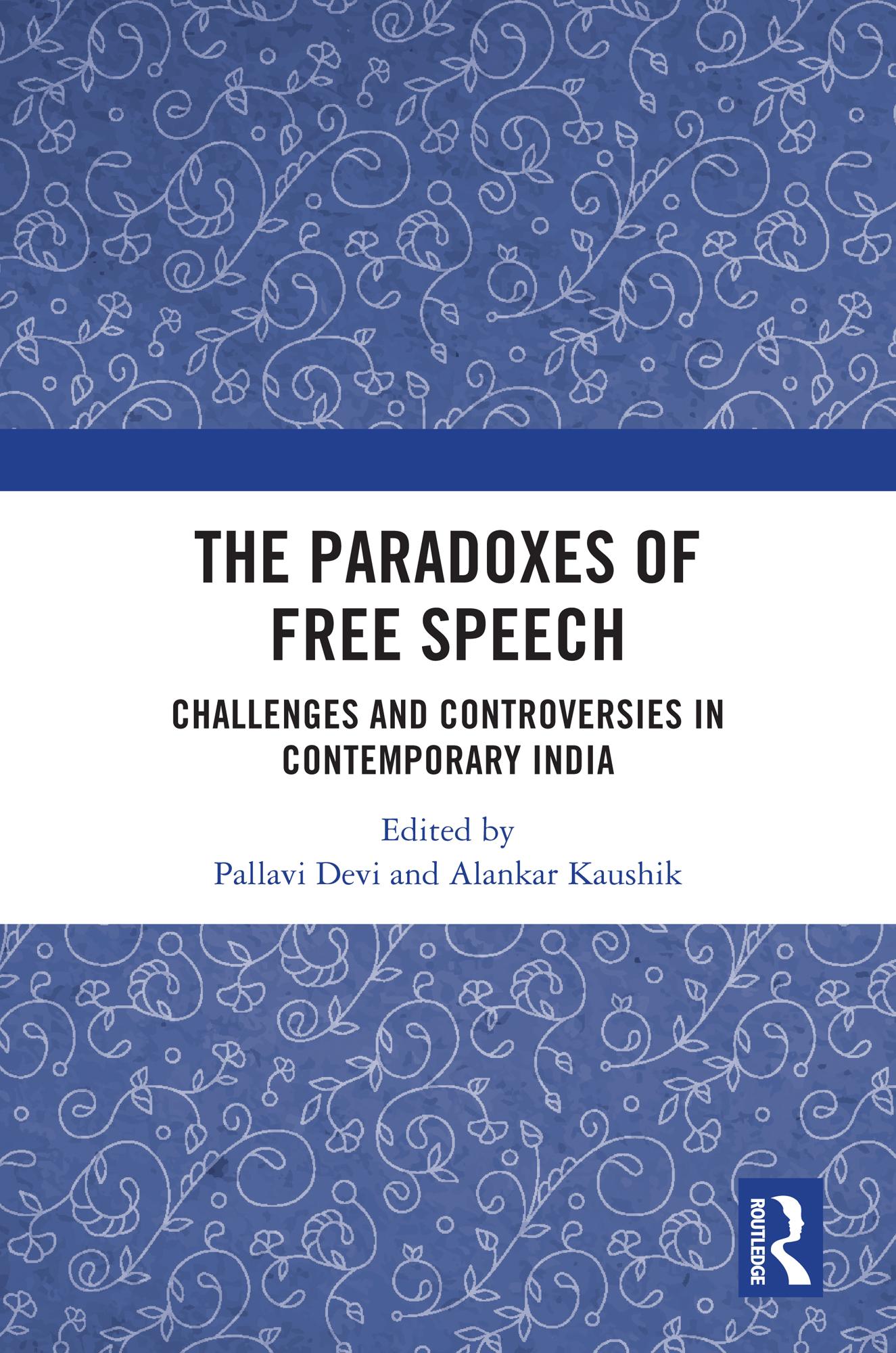
This book explores the enduring tensions between free expression and regulation in an era of disinformation, surveillance, and digital monopolies. It brings together leading legal scholars, journalists, and media experts to examine the normative justifications for free speech, its role in democracy, personal autonomy, and knowledge production, while addressing its evolving challenges.
The book traces the historical foundations of free speech, from colonial-era censorship to contemporary legal and philosophical debates. It examines the role of global tech giants like Google, Facebook, and Twitter in content regulation, exposing their lack of transparency and accountability. Key discussions include the dangers of algorithmic governance, the weaponization of fake news, and the judiciary’s role in interpreting free speech in the context of sedition, gendered struggle, hate speech, digital hate and violence and media freedoms. Additionally, the book features an insightful interview with a veteran Indian journalist on the shifting landscape of press freedom in India.
This book is an essential read for Constitutional law students, political scientists, researchers, policymakers, media professionals, and anyone interested in the future of free speech and expression in the world. It offers a nuanced understanding of how legal frameworks, technology, and politics shape the fundamental right to speech in today’s complex internet age.
Płać wygodnie kartą, Klarną, Apple Pay lub Google Pay. Nie jesteś zadowolony? Zawsze masz 14-dniową gwarancję zwrotu pieniędzy. Więcej przeczytasz w naszych warunkach. Masz pytania? Napisz do nas na hello@memmo.org.
Memmo ułatwia naukę – gdziekolwiek jesteś na świecie. U nas znajdziesz podręczniki i sprytne narzędzia do nauki w jednym miejscu: streszczenia, quizy, podcasty i fiszki. A do tego Ted, Twój kumpel do nauki, który odpowie na wszystko, co Cię nurtuje. Ponad 50 000 studentów już tu się uczy – stworzone, byś uczył się szybciej i mniej stresował.