
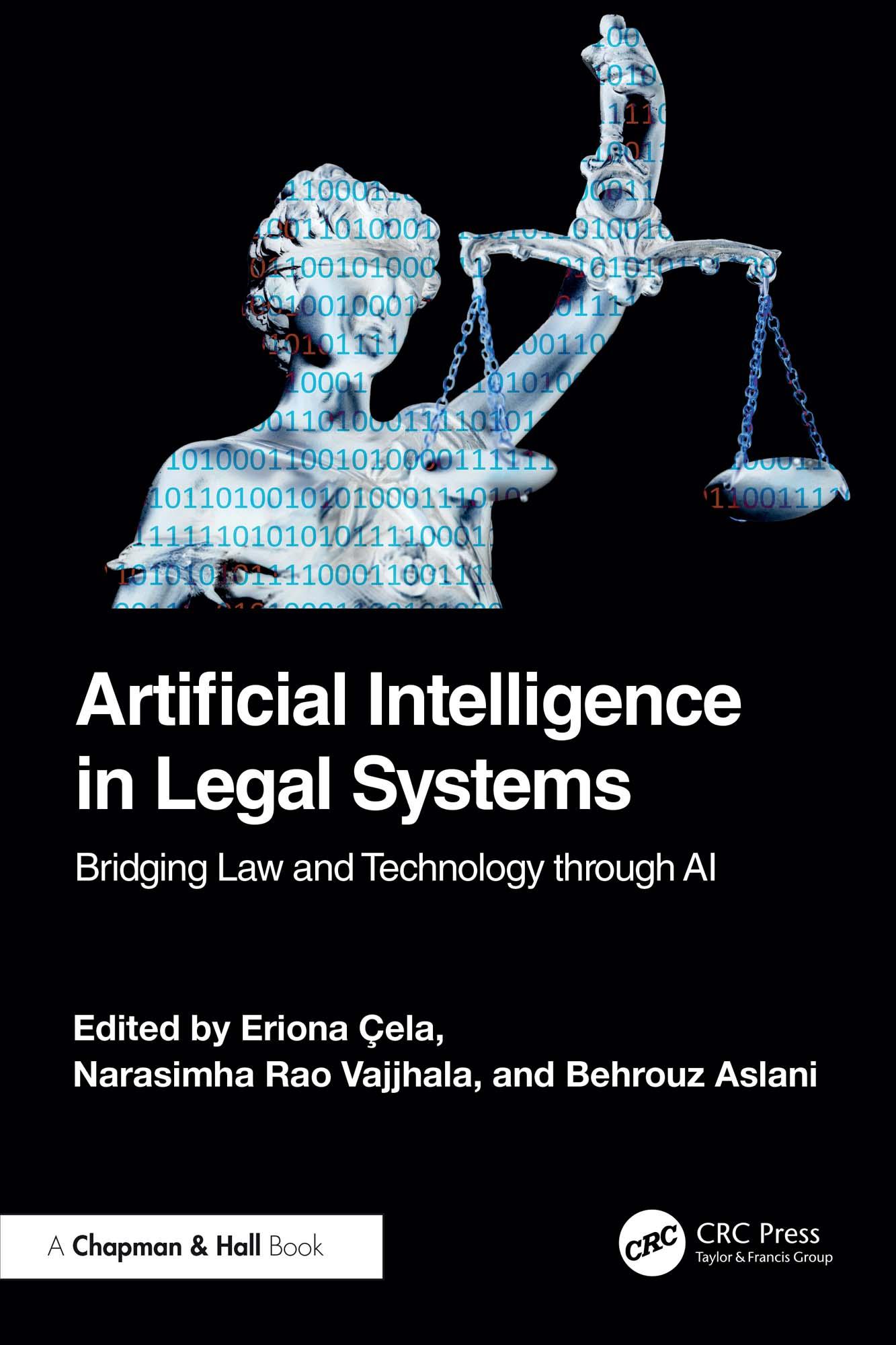
This book presents a comprehensive analysis of the transformative impact of artificial intelligence (AI) on legal frameworks within the European Union and beyond. It illustrates both the promising benefits of AI in improving access to justice and the significant challenges that necessitate thoughtful regulatory frameworks and interdisciplinary cooperation.
This book highlights the expansive applications of AI, ranging from case management to predictive analytics, while also scrutinizing ethical challenges and legal implications. It addresses the pressing issue of data protection in the context of Generative Pre-trained Transformer (GPT) technology, emphasizing the EU’s commitment to individual privacy rights. This book also evaluates AI’s role in public governance, using Albania as a case study, and examines the potential of blockchain technology in enhancing legal processes. The ethical nuances surrounding AI’s integration into legal systems are critically examined, particularly regarding algorithmic bias and human oversight. This book advocates for a collaborative approach involving legal experts and data scientists to navigate these complexities effectively.
This book is a key resource for postgraduate students, researchers, and legal professionals seeking to better understand the benefits and risks of incorporating AI into legal practice.
Płać wygodnie kartą, Klarną, Apple Pay lub Google Pay. Nie jesteś zadowolony? Zawsze masz 14-dniową gwarancję zwrotu pieniędzy. Więcej przeczytasz w naszych warunkach. Masz pytania? Napisz do nas na hello@memmo.org.
Memmo ułatwia naukę – gdziekolwiek jesteś na świecie. U nas znajdziesz podręczniki i sprytne narzędzia do nauki w jednym miejscu: streszczenia, quizy, podcasty i fiszki. A do tego Ted, Twój kumpel do nauki, który odpowie na wszystko, co Cię nurtuje. Ponad 50 000 studentów już tu się uczy – stworzone, byś uczył się szybciej i mniej stresował.