
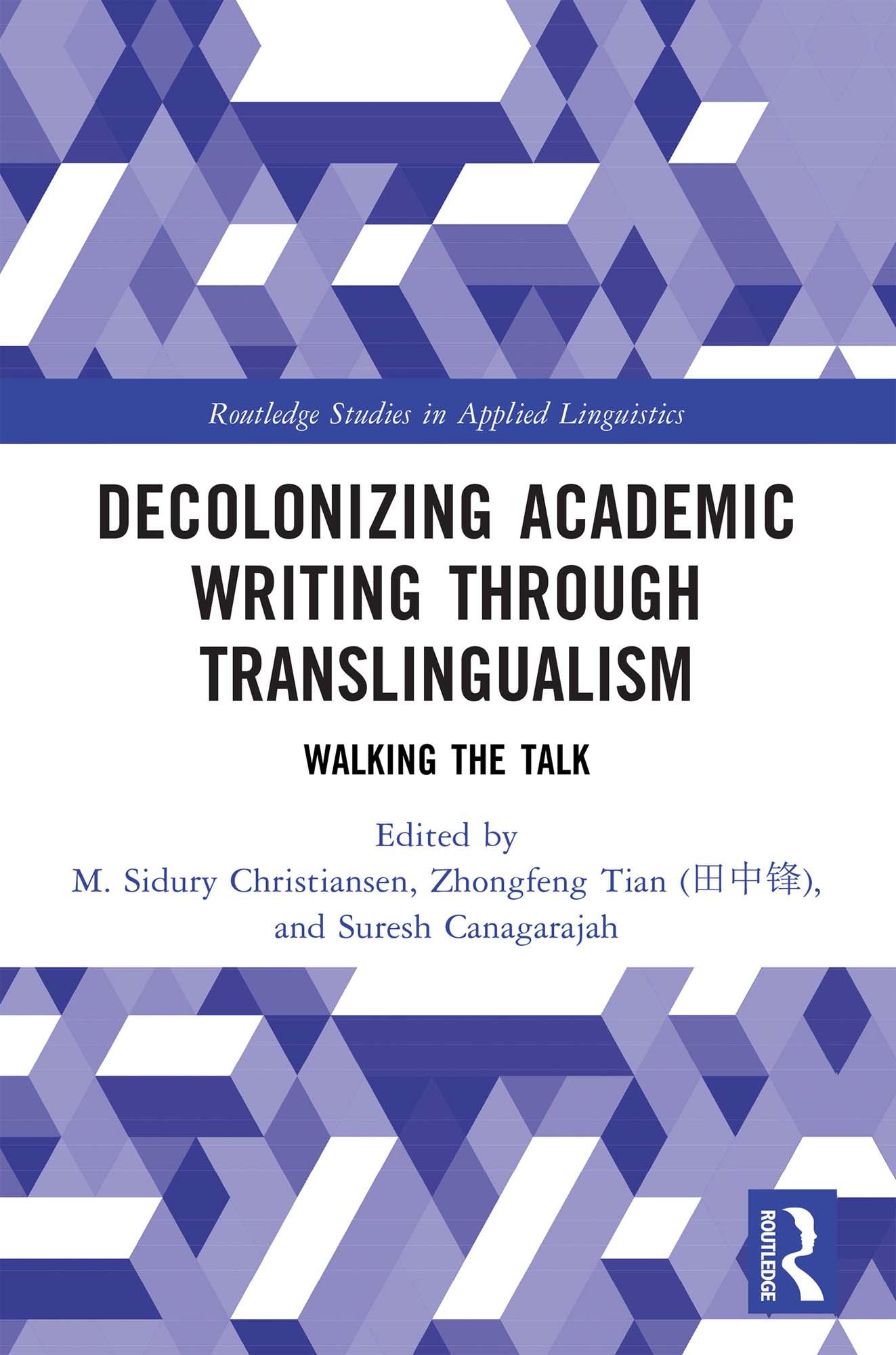
This collection explores innovative ways to embody translingual practices in academic writing, showcasing how multilingual authors can effectively leverage their linguistic resources in research and publication. Recognizing that traditional academic writing often suppresses multilingual voices, this book advocates for a decolonized approach that embraces diverse linguistic expressions and knowledge representations for social change.
This volume features perspectives from scholars across various disciplines and linguistic backgrounds presenting their unique visions of discursive, rhetorical, and linguistic diversity in academic writing. Each chapter showcases its respective author’s critical reflections on their language choices. This book offers a counterpoint to existing literature by making the case for the register known as “academic English” as a form both open to change and possible for accommodating diversity, empowering scholars to negotiate the register’s norms around their own languages and establish spaces for their own unique voices and identities.
This book serves as a valuable resource for graduate students, faculty, and scholars interested in academic writing, TESOL, composition studies, language teaching and learning, and applied linguistics.
Płać wygodnie kartą, Klarną, Apple Pay lub Google Pay. Nie jesteś zadowolony? Zawsze masz 14-dniową gwarancję zwrotu pieniędzy. Więcej przeczytasz w naszych warunkach. Masz pytania? Napisz do nas na hello@memmo.org.
Memmo ułatwia naukę – gdziekolwiek jesteś na świecie. U nas znajdziesz podręczniki i sprytne narzędzia do nauki w jednym miejscu: streszczenia, quizy, podcasty i fiszki. A do tego Ted, Twój kumpel do nauki, który odpowie na wszystko, co Cię nurtuje. Ponad 50 000 studentów już tu się uczy – stworzone, byś uczył się szybciej i mniej stresował.