
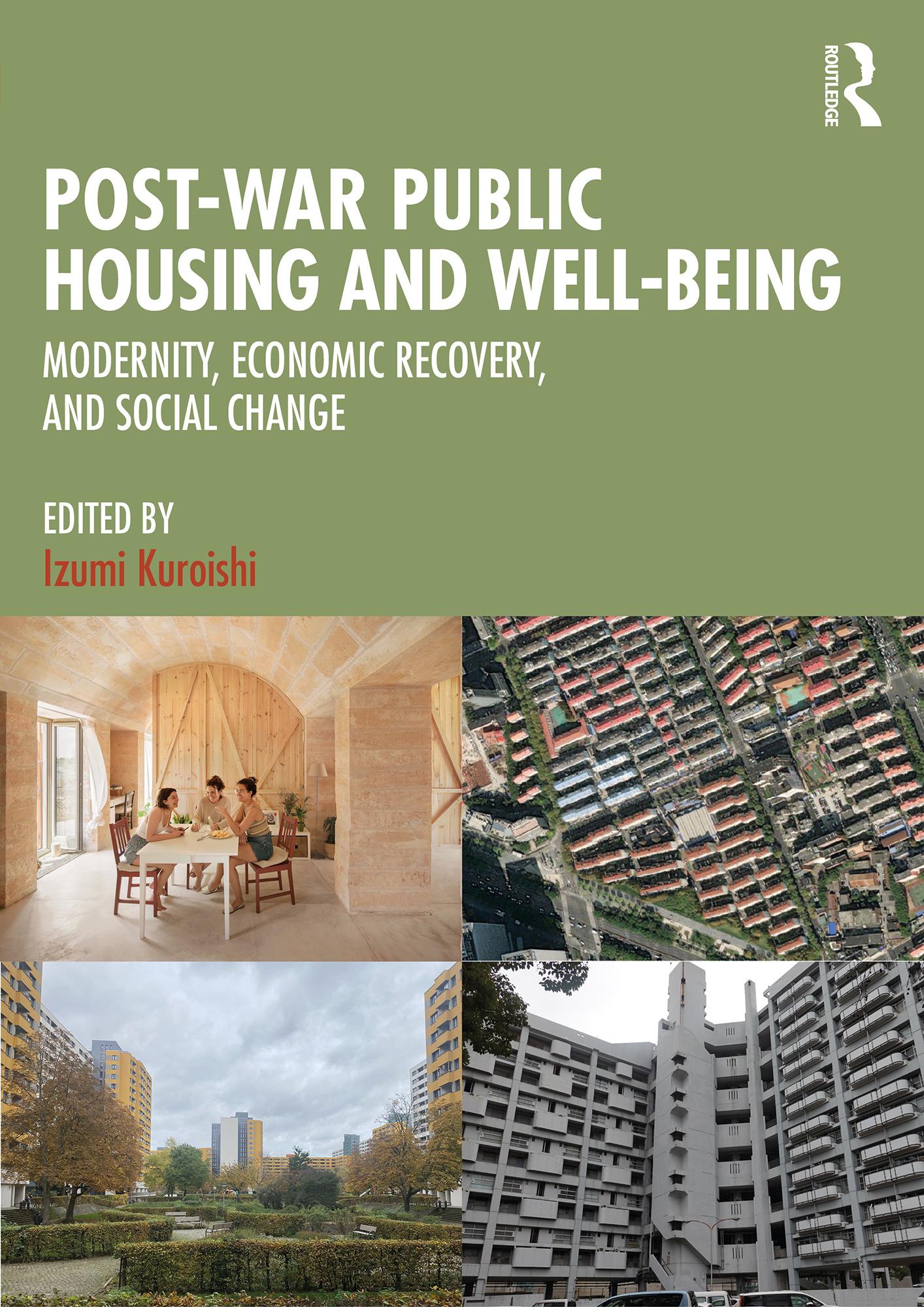
This collection illustrates the evolving role of housing as a symbol of modernity, a tool for economic recovery and a response to societal transitions. It argues that understanding earlier efforts to integrate well-being in the twentieth century can provide valuable insights for contemporary actors in the built environment who are working to address these issues today. As such, it explores and shines light on this lesser-known history, drawing on case studies, it focuses on the intersection of public housing, well-being and social change in the aftermath of the Second World War. With case studies from the UK, US, Singapore, Japan, Germany, China and Spain, this volume provides insights into how these countries have shaped the values, designs and institutions of their dwellings. By incorporating diverse cultural contexts, it contributes to a nuanced understanding of housing dynamics and well-being. Through a multidisciplinary lens, this volume encourages a re-evaluation of living conditions and fundamental values, emphasising the dynamic interplay between humans, their social environment and diverse living environments.
This book is essential for scholars, researchers, professionals, students, policymakers and practitioners in cultural history, architecture, planning, urban studies, sociology, education and public policy.
Płać wygodnie kartą, Klarną, Apple Pay lub Google Pay. Nie jesteś zadowolony? Zawsze masz 14-dniową gwarancję zwrotu pieniędzy. Więcej przeczytasz w naszych warunkach. Masz pytania? Napisz do nas na hello@memmo.org.
Memmo ułatwia naukę – gdziekolwiek jesteś na świecie. U nas znajdziesz podręczniki i sprytne narzędzia do nauki w jednym miejscu: streszczenia, quizy, podcasty i fiszki. A do tego Ted, Twój kumpel do nauki, który odpowie na wszystko, co Cię nurtuje. Ponad 50 000 studentów już tu się uczy – stworzone, byś uczył się szybciej i mniej stresował.