
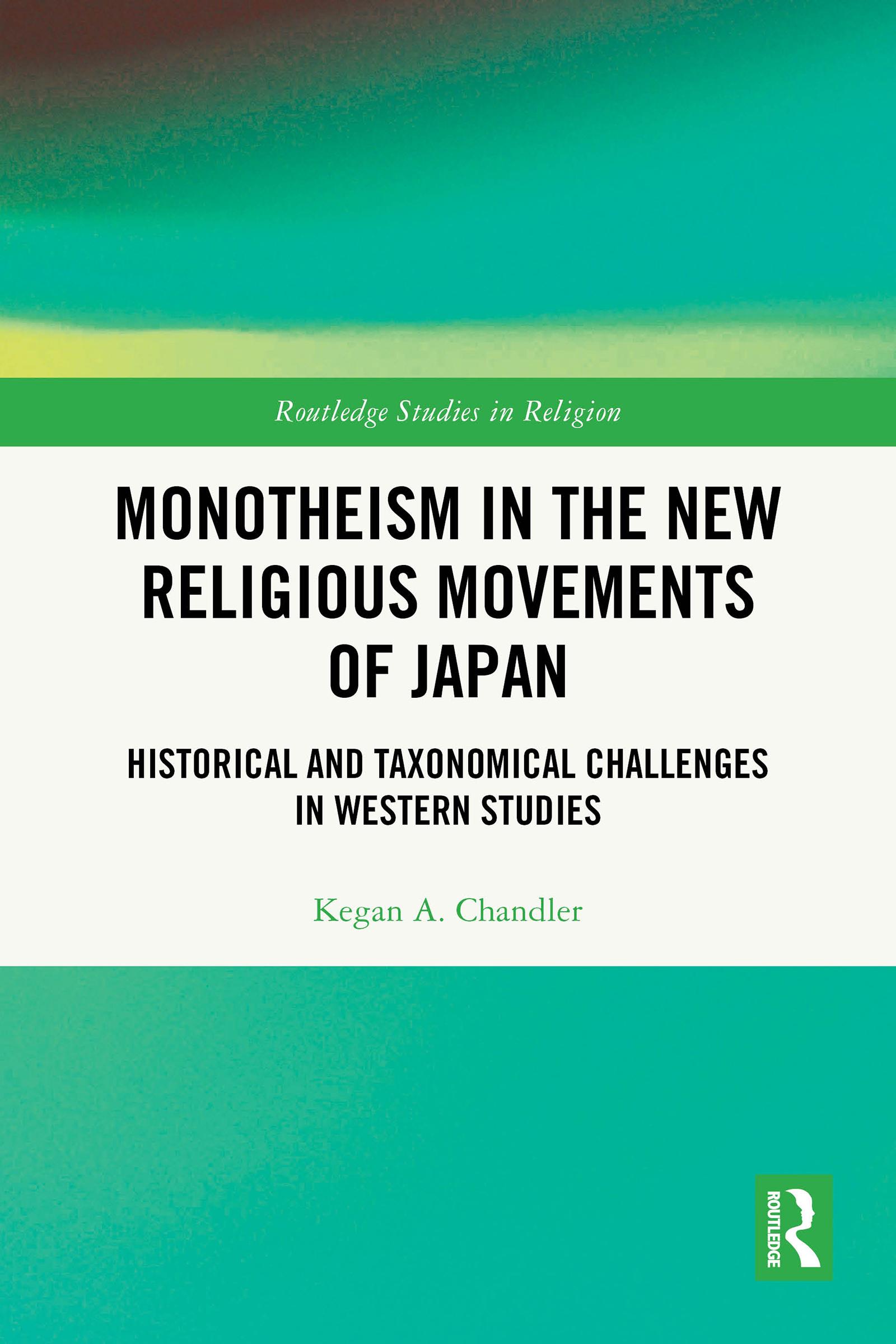
This book calls for a reformation of the image of monotheism in studies of Japanese religions and in the study of religions in general. According to most scholars, “Japan” and “monotheism” mix like oil and water. Whatever Japanese religion is, we are told, the “Western” category of monotheism cannot not be imposed. The predominance of this standard ruling makes critical the study of Japan’s new religious movements (NRMs)—exemplified in this volume by Kurozumikyō, Tenrikyō, and Konkōkyō, which have occasionally and controversially been pinned with the monotheism label. However, significant disagreement and confusion have persisted for nearly a century in Western scholarship over precisely how to classify these religions and furthermore over where their monotheism, if it exists, might have come from. Chandler argues that this long history of dissonance in the West is the result of a complex layering of taxonomical, sociocultural, and scholarly issues. Furthermore, he suggests this impasse can be addressed via an updated definition of monotheism that takes into account its nuances and includes new monotheistic subcategories. The book reveals the monotheism of Japan’s NRMs in light of this new framework and through a new historical investigation into Japanese sources of monotheism. It is especially relevant to scholars with an interest in Japanese religions and new religious movements as well as the comparative study of religion and philosophy of religion.
Płać wygodnie kartą, Klarną, Apple Pay lub Google Pay. Nie jesteś zadowolony? Zawsze masz 14-dniową gwarancję zwrotu pieniędzy. Więcej przeczytasz w naszych warunkach. Masz pytania? Napisz do nas na hello@memmo.org.
Memmo ułatwia naukę – gdziekolwiek jesteś na świecie. U nas znajdziesz podręczniki i sprytne narzędzia do nauki w jednym miejscu: streszczenia, quizy, podcasty i fiszki. A do tego Ted, Twój kumpel do nauki, który odpowie na wszystko, co Cię nurtuje. Ponad 50 000 studentów już tu się uczy – stworzone, byś uczył się szybciej i mniej stresował.