
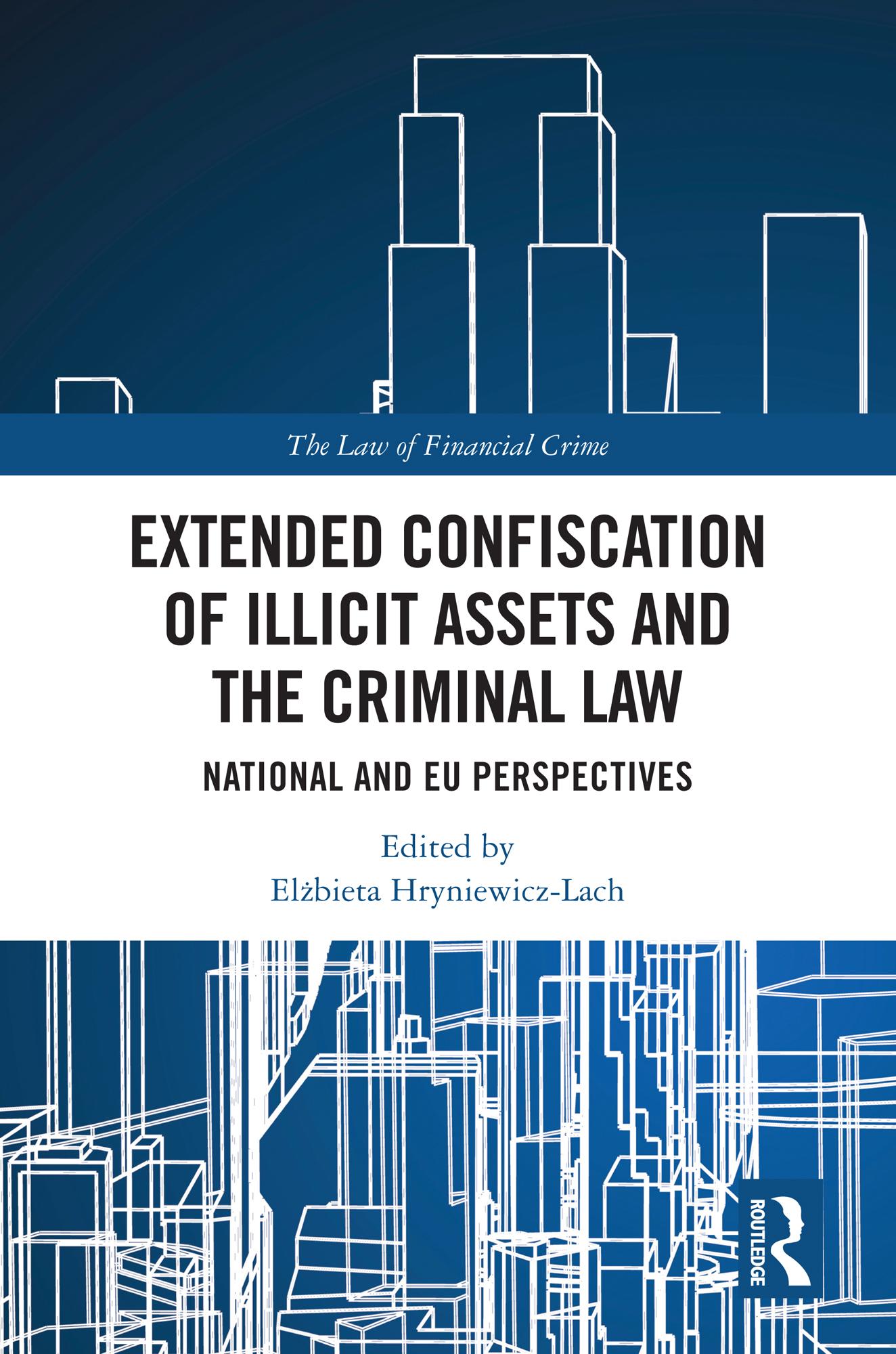
The European Union is developing instruments which allow law enforcement and judicial authorities to freeze, seize and confiscate illicit assets in a simplified way. Oversimplification of confiscation procedures may, however, result in violation of fundamental rights and general principles of law aimed at ensuring protection of individuals against interference from the State. Such risk exists in particular in the case of extended confiscation, where assets forfeited go beyond what is proven as resulting from a concrete criminal offence. This book drawing on the results of a large international project, brings together a group of experts to determine the requirements needed to achieve compliance of extended confiscation with the fundamental rights and legal principles included in the Charter of Fundamental Rights of the EU, European Convention of Human Rights and in national legal orders of the EU Member States. Divided into three parts, the first details the national perspectives of 14 countries. The second part presents analysis of extended confiscation in comparative terms. The third and final parts examine extended confiscation in the context of the EU criminal law. The book thus provides a detailed analysis of extended confiscation from a number of perspectives and will be an invaluable resource for academics, researchers and policymakers working in the areas of Financial Crime, Comparative Criminal Justice and Human Rights Law.
Płać wygodnie kartą, Klarną, Apple Pay lub Google Pay. Nie jesteś zadowolony? Zawsze masz 14-dniową gwarancję zwrotu pieniędzy. Więcej przeczytasz w naszych warunkach. Masz pytania? Napisz do nas na hello@memmo.org.
Memmo ułatwia naukę – gdziekolwiek jesteś na świecie. U nas znajdziesz podręczniki i sprytne narzędzia do nauki w jednym miejscu: streszczenia, quizy, podcasty i fiszki. A do tego Ted, Twój kumpel do nauki, który odpowie na wszystko, co Cię nurtuje. Ponad 50 000 studentów już tu się uczy – stworzone, byś uczył się szybciej i mniej stresował.