
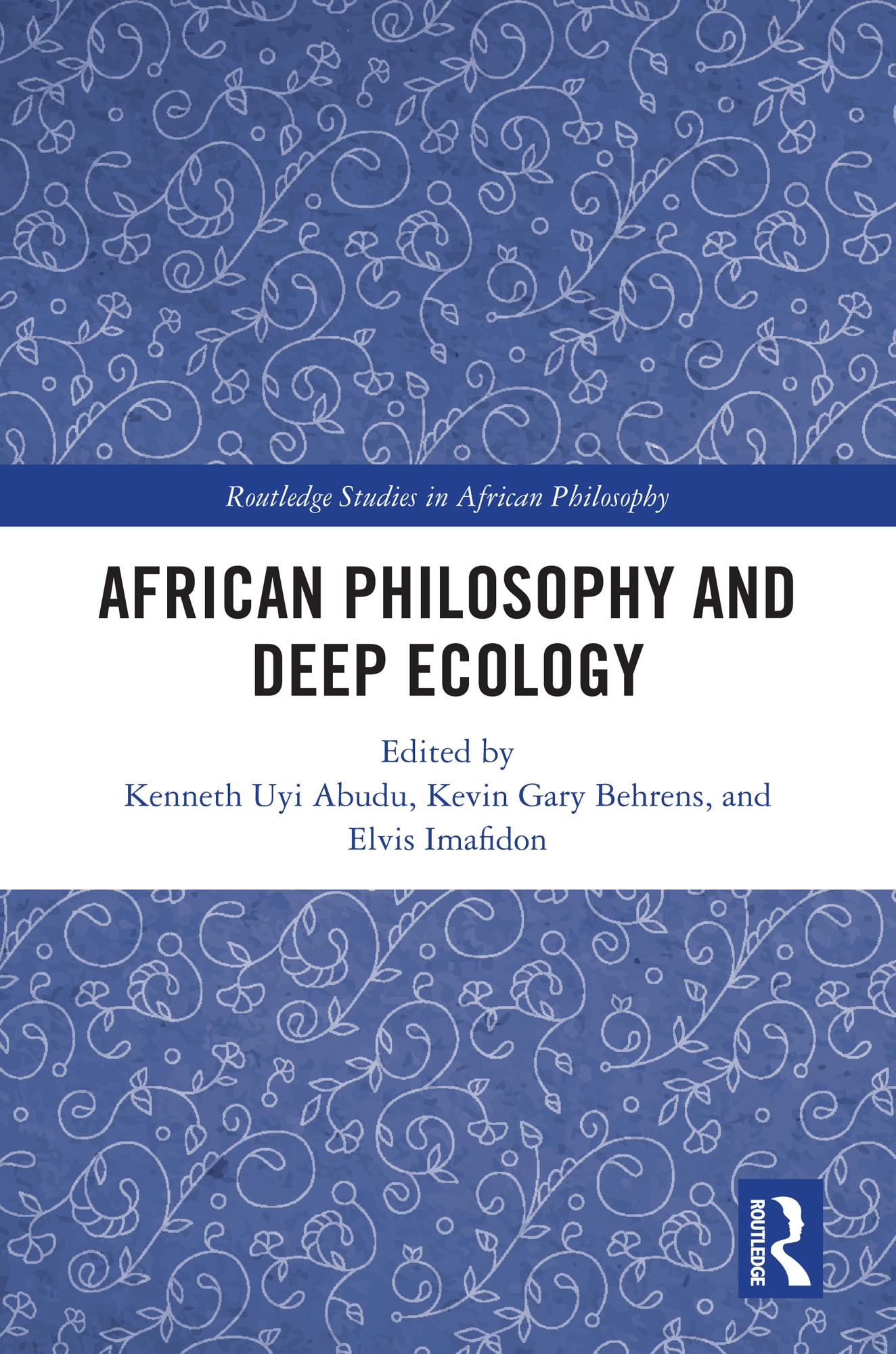
This book investigates African philosophical contributions to the concept of deep ecology, which advocates for rethinking human and non-human relationships within our ecosystems, by promoting the inherent and earned worth of all beings.
With ecological crises impacting lives around the world, this book interrogates deep ecology thinking from African philosophical perspectives, highlighting the continent’s important ontological, epistemological, ethical, aesthetic, and broad philosophical contributions. The book investigates issues such as the eco-phenomenology of human / non-human animals’ relations, Ubuntu and the environment, the superiorist fallacy, environmental belongingness, the impact of colonization and modernity on non-human trauma, the politics of ecological narrative about African places, the question of moral status, African socialist perspectives, the question of degrowth, selective subordination, biodiversity loss, land ethics, the ontology of waste, and the concept of personhood in relation to global climate and ecological justice.
Providing a significant intervention in our understanding of the ecological crises and our duties toward ecosystems and the non-human other in the twenty-first century, this book is an important read for researchers, advocates and other stakeholders working in the fields of environmental philosophy, climate change, indigenous studies, and African Studies.
Płać wygodnie kartą, Klarną, Apple Pay lub Google Pay. Nie jesteś zadowolony? Zawsze masz 14-dniową gwarancję zwrotu pieniędzy. Więcej przeczytasz w naszych warunkach. Masz pytania? Napisz do nas na hello@memmo.org.
Memmo ułatwia naukę – gdziekolwiek jesteś na świecie. U nas znajdziesz podręczniki i sprytne narzędzia do nauki w jednym miejscu: streszczenia, quizy, podcasty i fiszki. A do tego Ted, Twój kumpel do nauki, który odpowie na wszystko, co Cię nurtuje. Ponad 50 000 studentów już tu się uczy – stworzone, byś uczył się szybciej i mniej stresował.