
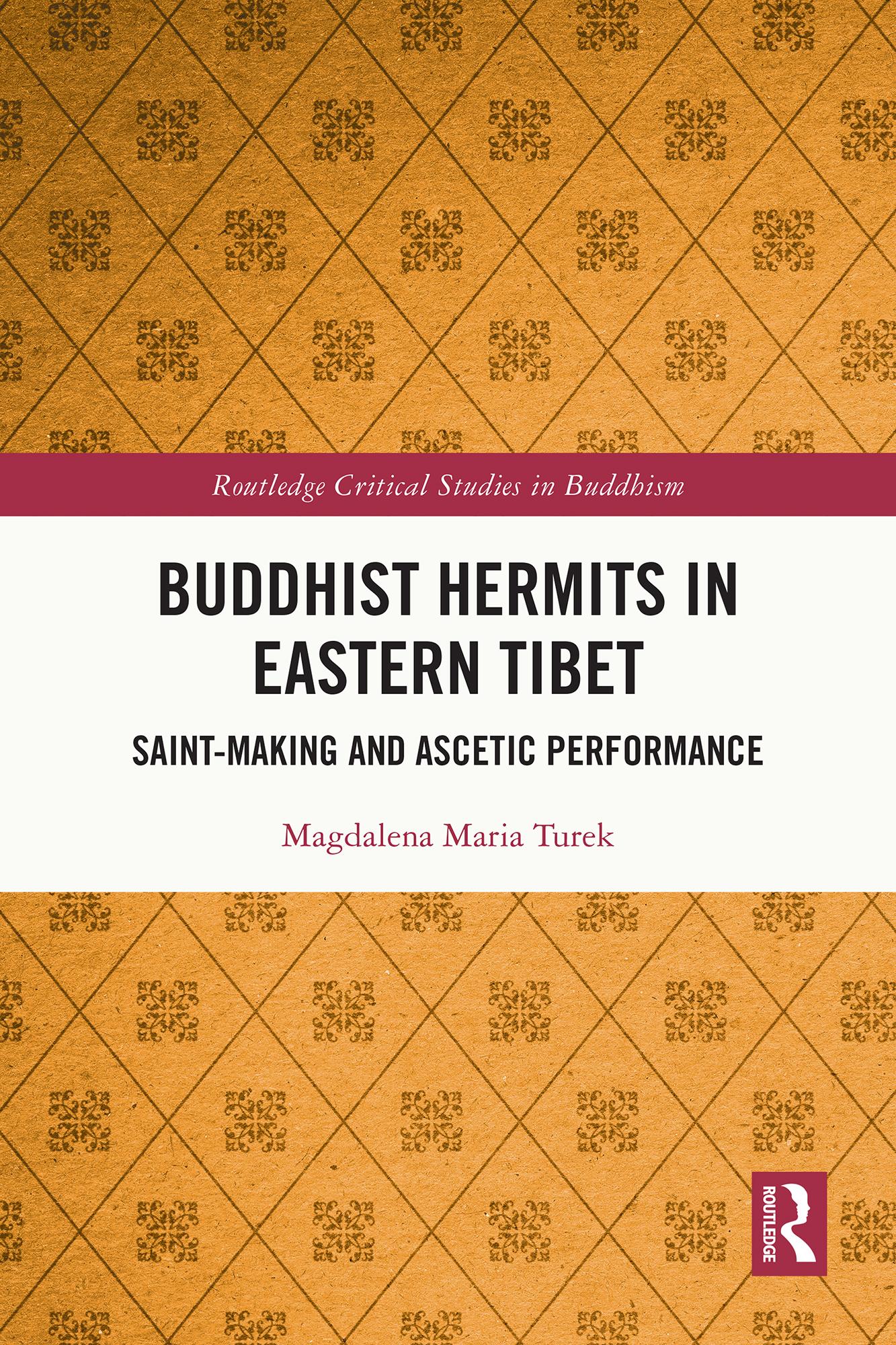
Buddhist Hermits in Eastern Tibet explores the ritual and social empowerment of Buddhist monastics devoted to meditation under a charismatic master.
Based on ethnographic research at a remote hermitage in Yushu Tibetan Autonomous Prefecture, Qinghai province in China, this book examines contemplative practices and ascetic regimes as performances of renunciation, self-formation, and devotion, arguing that the master performs the ideal of Buddhist asceticism via his body and in front of a participant audience. Paralleling Tibet’s famed hermit Milarepa (eleventh/twelfth century), the ascetic master Tsultrim Tarchin is believed to have achieved liberation “in this body and life,” demonstrating that renunciation can be empowering and that elite practices and local tradition can be relatable to untrained laity and transnational practitioners alike. Providing new insights and capturing a vital aspect of the ethno-religious revival among Tibetans in China, this book enhances our understanding of Buddhist meditation in retreat and of the social and embodied dimensions of spiritual liberation.
This book will be of interest to academic researchers and students of Buddhism, Religion, Anthropology, and Asian Studies.
Płać wygodnie kartą, Klarną, Apple Pay lub Google Pay. Nie jesteś zadowolony? Zawsze masz 14-dniową gwarancję zwrotu pieniędzy. Więcej przeczytasz w naszych warunkach. Masz pytania? Napisz do nas na hello@memmo.org.
Memmo ułatwia naukę – gdziekolwiek jesteś na świecie. U nas znajdziesz podręczniki i sprytne narzędzia do nauki w jednym miejscu: streszczenia, quizy, podcasty i fiszki. A do tego Ted, Twój kumpel do nauki, który odpowie na wszystko, co Cię nurtuje. Ponad 50 000 studentów już tu się uczy – stworzone, byś uczył się szybciej i mniej stresował.