
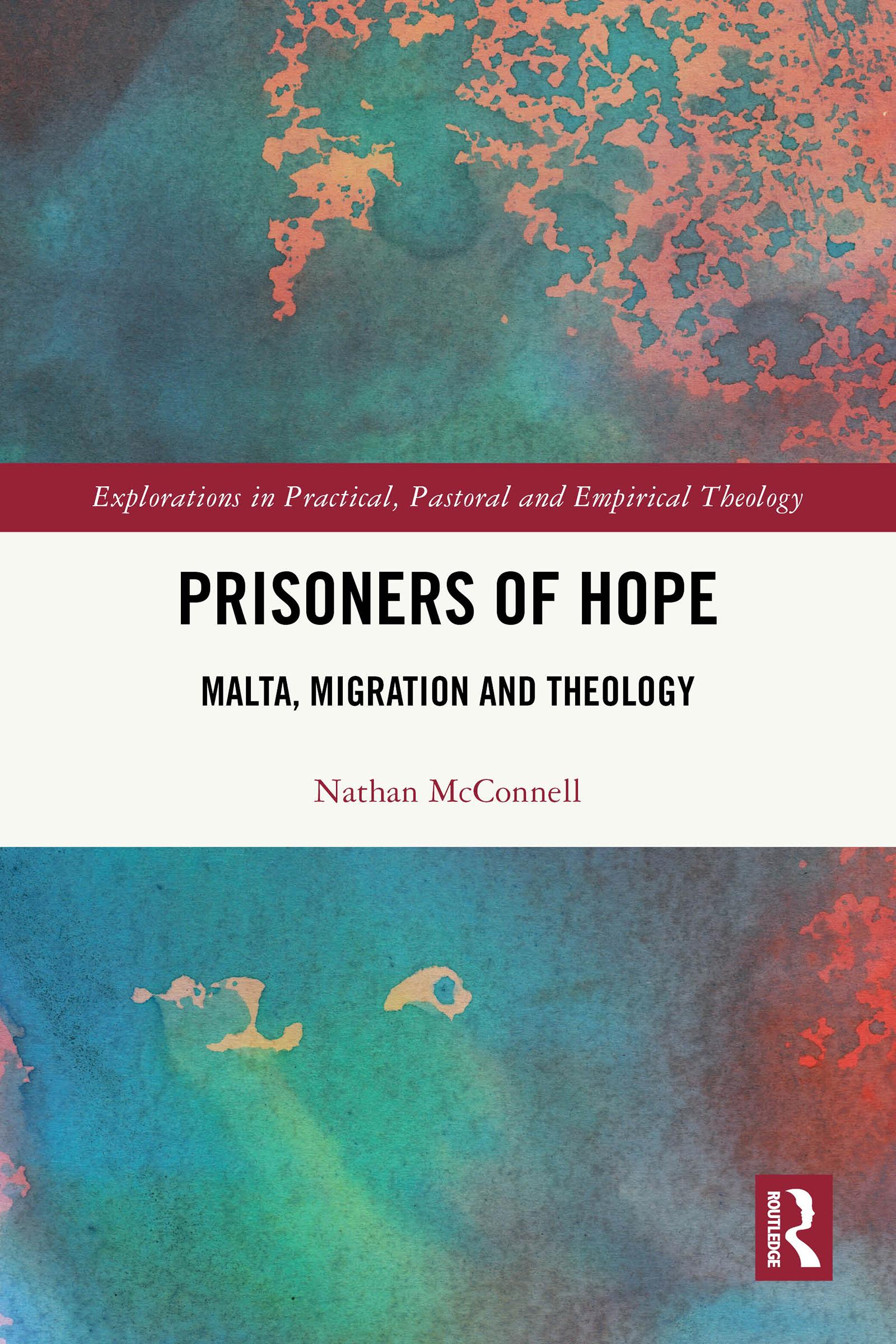
Prisoners of Hope focuses on ecclesiological and practical theological responses to migration, asylum-seeking, and refugee integration and assimilation. It considers the relationship between the church and the nation-state relative to political asylum by questioning the various responses of Christians who advocate for refugees and asylum-seekers in their spheres of influence. Prisoners of Hope features how the Church might begin to appraise and address the various socio-political strategies employed by nation-states, which situate migrants in a form of “quasi-political” status as they move from one place to another. It holds key benefits for exploring the philosophical and theological intersections of Dietrich Bonhoeffer, Giorgio Agamben, and Seyla Benhabib and those attempting to ask about treatment of the refugees and asylum-seekers. Prisoners of Hope will be of particular interest to those attempting scholarly research in the areas of theology, religion, and migration studies as it investigates the phenomenological experiences of refugees going “in” and “out” of detention as well as arguments relating to porous borders within sovereign national entities. Initially, the book engages definitions of migration, moving onto concepts of State of Exception and Homo Sacer, and analysing arguments regarding porous borders and cosmopolitanism. Of specific benefit for Christian theology is the second half of the book, which examines the importance of vicarious witnessing, prayer, voicing inclusion, worshipping communities, and the inclusion of the “other.” Overall, Prisoners of Hope is a pertinent addition to those discussing concepts of national sovereignty, migrant assimilation, asylum-seeking, hospitality, and the juxtapositioning of the foreigner within the often, intricate dialogues associated with political entry.
Płać wygodnie kartą, Klarną, Apple Pay lub Google Pay. Nie jesteś zadowolony? Zawsze masz 14-dniową gwarancję zwrotu pieniędzy. Więcej przeczytasz w naszych warunkach. Masz pytania? Napisz do nas na hello@memmo.org.
Memmo ułatwia naukę – gdziekolwiek jesteś na świecie. U nas znajdziesz podręczniki i sprytne narzędzia do nauki w jednym miejscu: streszczenia, quizy, podcasty i fiszki. A do tego Ted, Twój kumpel do nauki, który odpowie na wszystko, co Cię nurtuje. Ponad 50 000 studentów już tu się uczy – stworzone, byś uczył się szybciej i mniej stresował.