
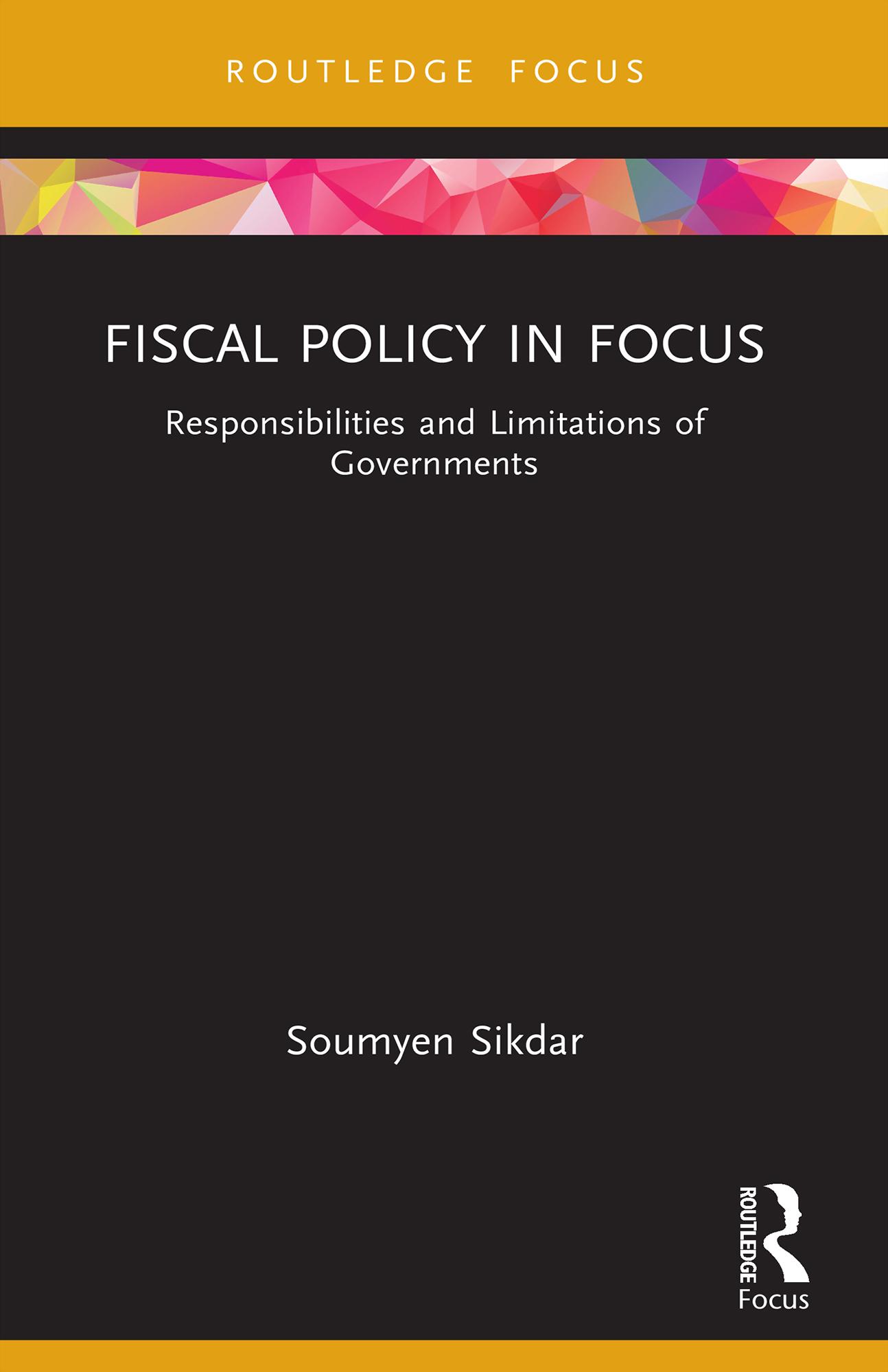
The majority of economists today are opposed to allowing governments a significant role in economic affairs. In particular, demand management and redistributive policies are frowned upon, and supply-side policies (that concentrate on enhancing the profitability of business operations) are advocated as the only legitimate channels of government action. The possibility of ‘government failure’ in the economic sphere is endlessly emphasised.
The book argues that this view is only partially correct, at best. To make development inclusive and sustainable over the long run, the state must step in as an active enabler and regulator of private initiative. In a good society, the public–private relationship should be complementary, not adversarial. The enabler–regulator duty of the government cannot be effectively discharged with only supply-side and monetary instruments. Well-designed, effectively implemented fiscal action is indispensable for promoting social welfare with its twin aspects of efficiency and distributive justice.
Within a short compass, the strengths and limitations of tax expenditure policies in managing the economy are discussed in non-technical language, keeping the ‘government failure vs market failure’ debate as a focal point.
Płać wygodnie kartą, Klarną, Apple Pay lub Google Pay. Nie jesteś zadowolony? Zawsze masz 14-dniową gwarancję zwrotu pieniędzy. Więcej przeczytasz w naszych warunkach. Masz pytania? Napisz do nas na hello@memmo.org.
Memmo ułatwia naukę – gdziekolwiek jesteś na świecie. U nas znajdziesz podręczniki i sprytne narzędzia do nauki w jednym miejscu: streszczenia, quizy, podcasty i fiszki. A do tego Ted, Twój kumpel do nauki, który odpowie na wszystko, co Cię nurtuje. Ponad 50 000 studentów już tu się uczy – stworzone, byś uczył się szybciej i mniej stresował.